Charcops Wetlands: Turning Wastewater and Agricultural Residues into a Lifeline for Farmers in Ghana
In Ghana, where climate change, soil degradation, and water scarcity threaten smallholder farmers’ livelihoods, Green Tech EnviroGroup Ltd is pioneering a regenerative, circular solution. Their initiative, Charcops Wetlands, launched in 2024, transforms greywater and agricultural waste into clean irrigation water and nutrient-rich biochar-based soil inputs.
Charcops Wetlands is a decentralized, nature-based water treatment system inspired by constructed wetlands and enhanced with locally produced biochar. It purifies household greywater (think wastewater from sinks, laundry, and bathing), making it safe for reuse in agriculture. Layers of gravel, sand, and biochar derived from coconut husks and palm kernel shells filter the water, while wetland plants assist with nutrient removal. The system mimics natural ecosystems while providing a reliable, low-cost source of irrigation water for farmers, especially during dry seasons.
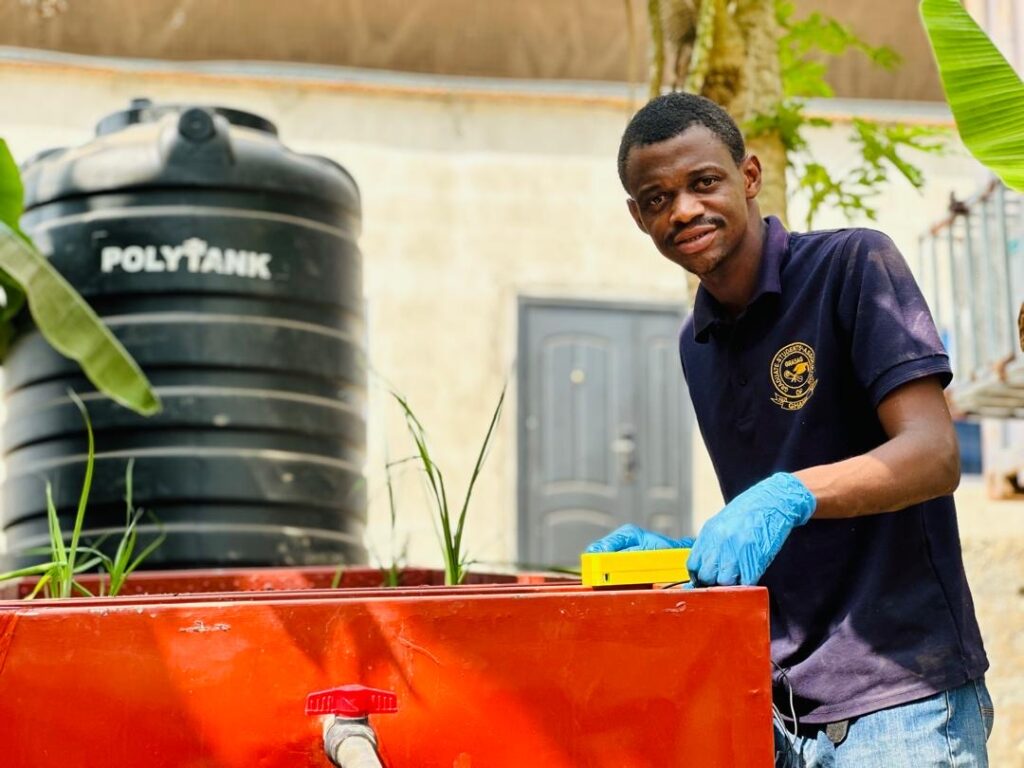
But the system doesn’t stop at water. Once the biochar is saturated with nutrients, it is harvested and reused as a powerful soil conditioner, returning nutrients to the land and reducing the need for chemical fertilizers. This dual-function approach of cleaning water and enriching soil makes Charcops Wetlands a unique innovation at the intersection of water management, waste recycling, and sustainable agriculture.
In addition to the wetland system, Green Tech also produces biochar-based fertilizers from local organic waste. These products improve soil structure, boost water retention, support microbial activity, and increase crop productivity, all while lowering input costs for farmers. By turning waste into a resource, the initiative is helping farmers reduce dependence on imported agrochemicals and build long-term resilience.
According to the initiative, Charcops Wetlands is especially effective in addressing heavy metal contamination, a lesser-known threat in wastewater reuse. Biochar’s porous structure and high adsorption capacity allow it to bind harmful metals like lead and cadmium, preventing them from entering soil, crops, and the food chain. This adds a critical layer of food safety and environmental protection.
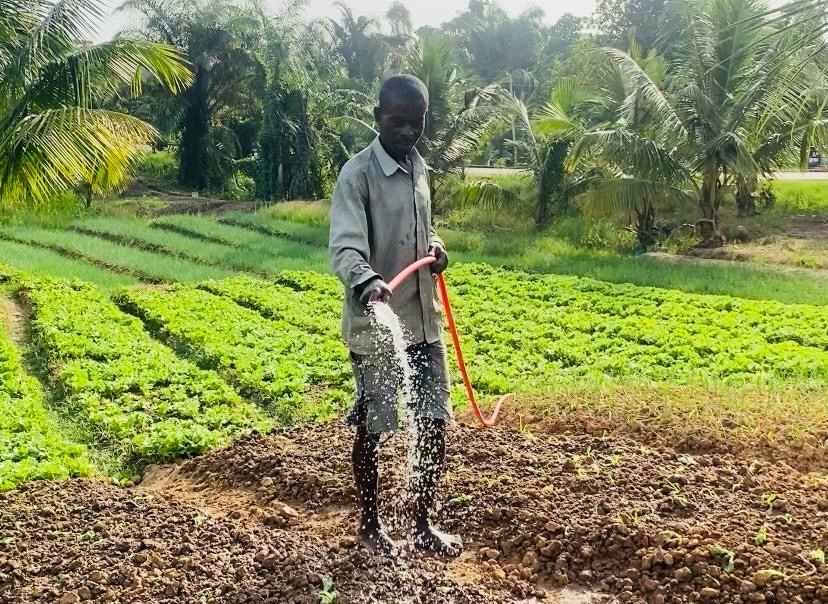
Designed for scalability, Charcops Wetlands uses affordable, locally available materials and is modular enough to serve both smallholder plots and commercial farms. Its nature-based design makes it especially relevant for water-stressed regions like sub-Saharan Africa, South Asia, and the Levant. By combining climate mitigation through carbon sequestration, pollution control, and agricultural resilience, Charcops Wetlands could reshape how rural communities manage waste, water, and land. It’s a holistic, community-driven model that turns local challenges into sustainable agricultural solutions, demonstrating the power of circular thinking to nourish both people and the planet.
Learn more about Charcops Wetlands.
Written by Sarah Souli
Photos provided by Charcops Wetlands
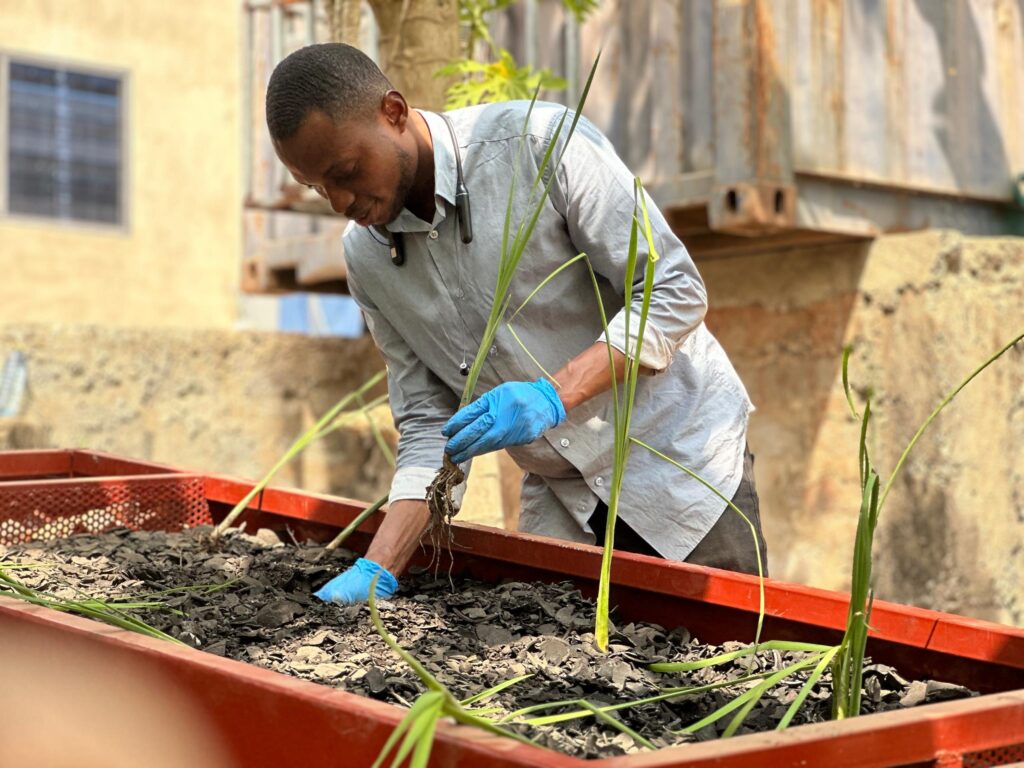
Charcops Wetlands
Charcops Wetlands use biochar to construct wetlands that treat greywater and recycle nutrients back into the soil.
Launch year: 2024
Based in: Ghana