Cocina Colaboratorio: Cooking up Change in The Food System
Art and science meet in Mexico in a pioneering transdisciplinary program aimed at transforming the food system.
Cocina Colaboratorio is redefining sustainable food practices in farming localities of Chiapas, Oaxaca, and Mexico City by fusing community-driven approaches, culinary arts, and scientific expertise to create a sustainable food future while honouring the rich biocultural heritage of Mexico.
Its mission is bold: the regeneration of biocultural heritage, the strengthening of food sovereignty, and the promotion of agroecological practices. But its organizers believe that these foundational pillars could be the answer to climate resilience, community wellbeing, and the conservation of biodiversity.
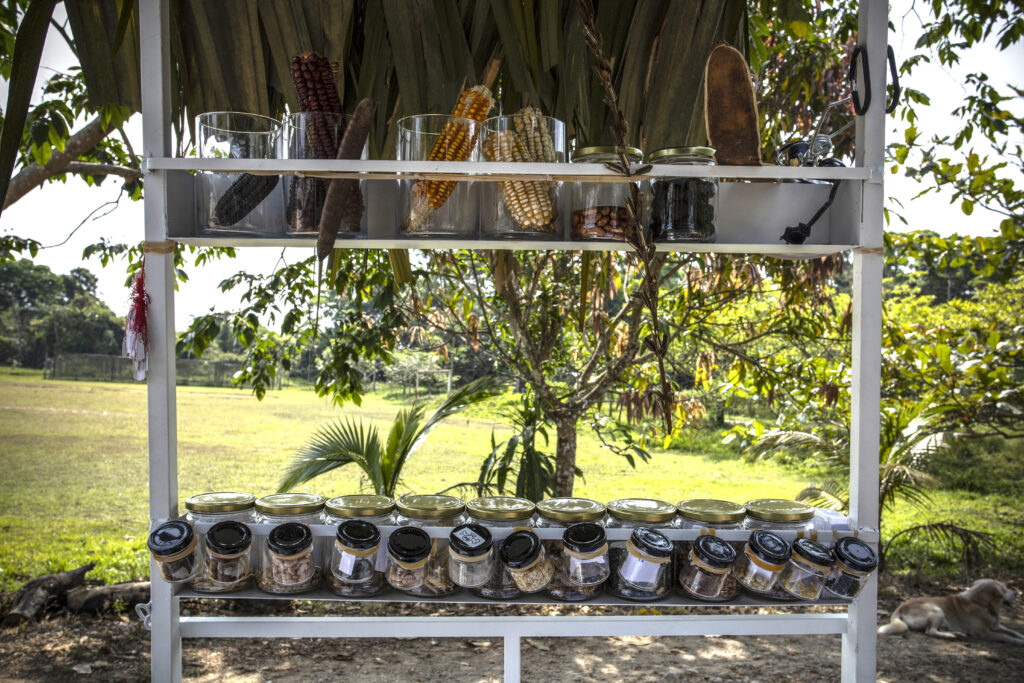
Three interconnected Community Food Labs are the key to Cocina Colaboratorio’s success in these Mexican states rich in food tradition and community. The Kitchen Lab serves as a cultural and culinary hub, connecting people to their territories through the food they eat. The Experimental Agroecological Plot develops, tests, and applies regenerative farming practices in communal plots, while The Biocultural Archive acts as a guardian of heritage, preserving seeds, stories, and knowledge. Together, Cocina Colaboratorio promotes intergenerational stewardship, allowing elders and youth to share wisdom and a vision for the future.
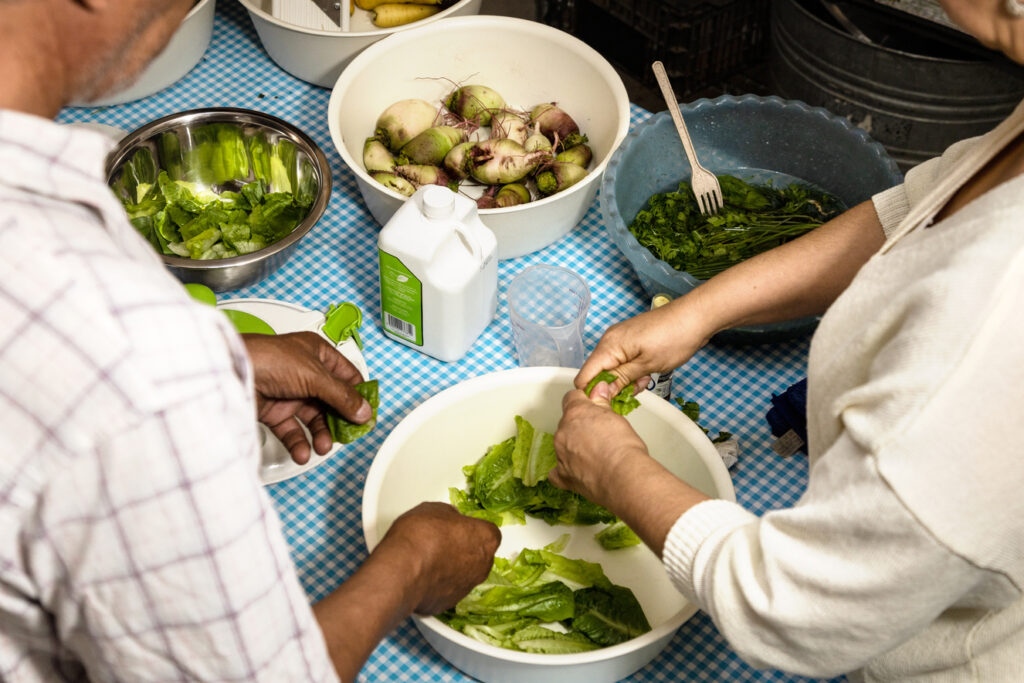
Its workshops and programs, over 250 so far, bring together farmers, cooks, scientists and artists to share their techniques from soil monitoring to seed saving. According to the initiative, 180 families have signed up to its community-led programs while six collective agroecological plots have been created and over 40 native seed varieties preserved.
But the impact doesn’t stop at the local level. Within the next 10 years, the initiative intends to scale a network of Community Food Labs that takes Cocina Colaboratorio across borders, building a replicable and adaptable model for food system transformation. A digital biocultural archive and a series of short documentaries and podcasts capturing community experiences make their stories accessible to audiences across Mexico and the world.
The initiative says it has also built a strong network, partnering with over 30 academic and civil society organizations both at home and abroad to build governance and solidarity-based food economies. Strengthening the agency of smallholder families, particularly women and young people, the initiative claims, is key to building fair access to healthy food.
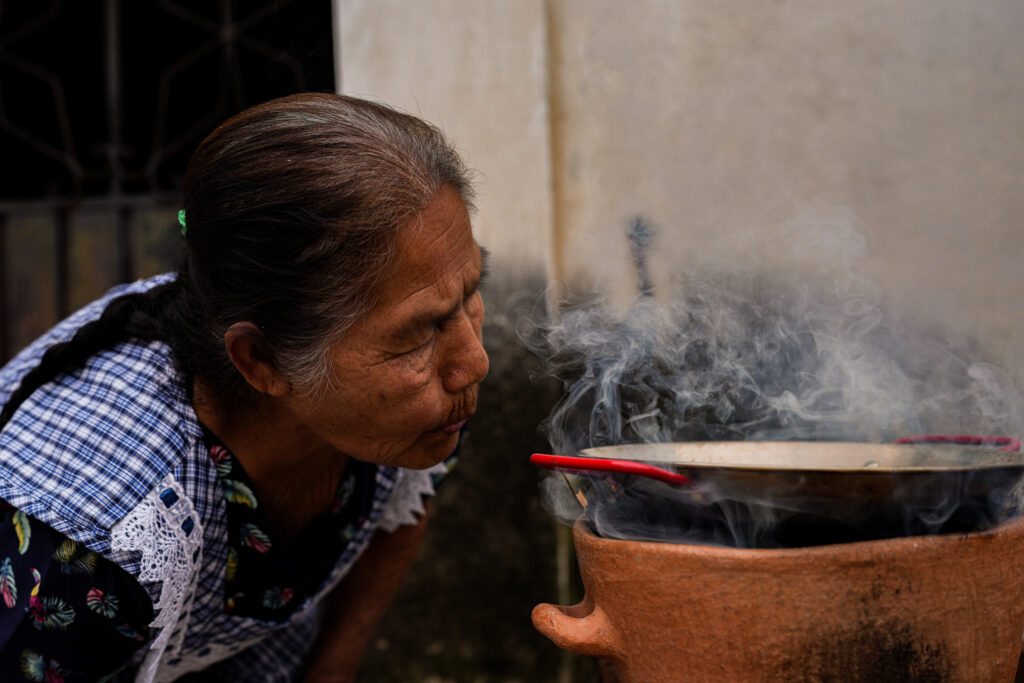
But the strength of Cocina Colaboratorio is in translating such complex issues as how to tackle biodiversity loss, climate change, and poverty into tangible experience through cooking and storytelling. Harnessing and celebrating the wisdom of elders, according to the initiative, could help reshape perceptions and encourage political engagement and engagement among audiences. And perhaps most importantly, it gives communities an opportunity to reconnect through their age-old culinary practices and collective rituals.
Learn more about Cocina Colaboratorio.
Written by Gilly Smith
Photos provided by the Cocina Colaboratorio
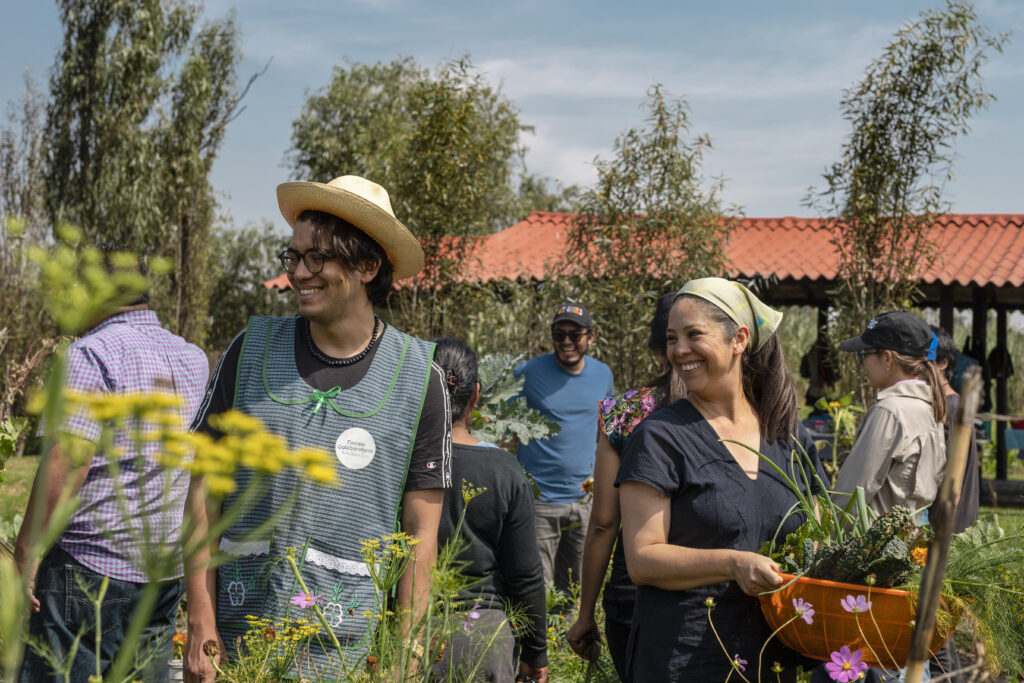
Cocina Colaboratorio
Cocina Colaboratorio is a collection of Community Food Labs, weaving together culinary arts, scientific expertise, and local knowledge.
Launch year: 2018
Based in: Mexico