CORAF Regional Center of Excellence: Advancing Agricultural Climate-Smart Innovations in West and Central Africa
Dryland farmers in West and Central Africa are learning to build climate resilience and restore soil fertility with peanut, sorghum, millet, sesame, fonio, and legumes in cutting-edge innovation labs across the region. The results could play a pivotal role in enhancing food security and sustainable agricultural practices in regions particularly vulnerable to climate change impacts.
The Regional Center of Excellence (RCoE) for Drylands Cropping Systems, operated by CORAF, claims its innovative agricultural technologies encourage the adoption of drought-resistant crop varieties and sustainable farming techniques. Increased yields and diversified crop production are integral to ensuring that local communities have consistent access to nutritious food.
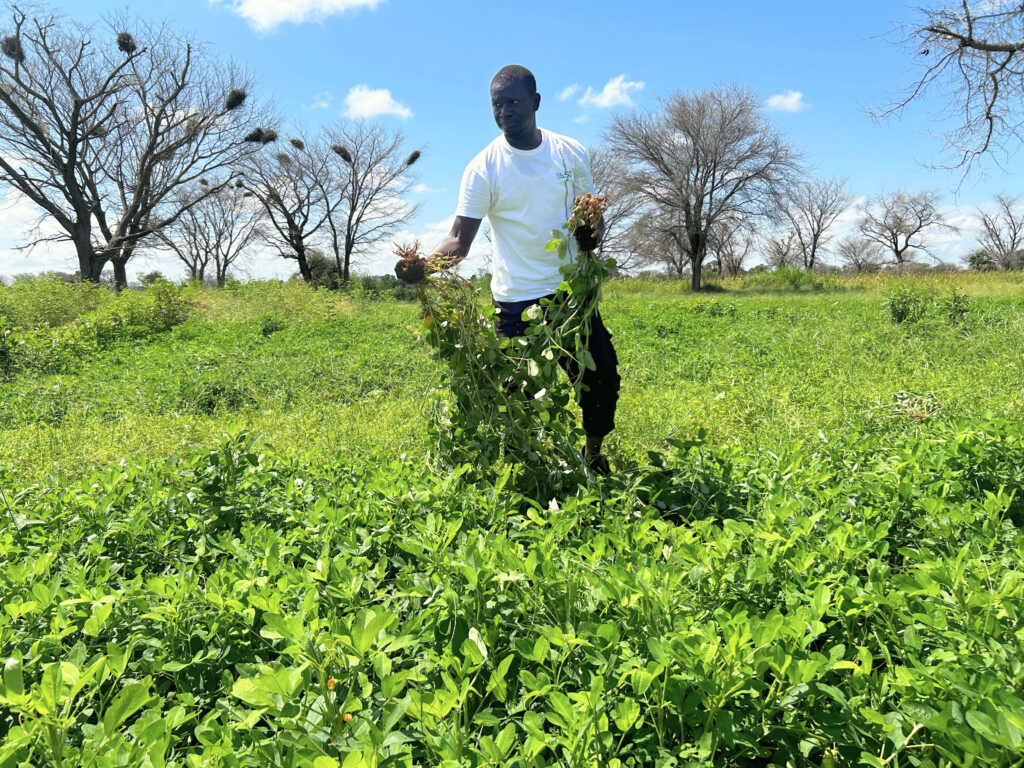
The RCoE’s objectives are supported by the teamwork of the École Nationale Supérieure d’Agriculture (ENSA), the Institut de Technologies Alimentaiores (ITA) and the Institut Senegalais de Recherches Agrcioles (ISRA) research centers, the Centre d’Étude Régional pour l’Amélioration de l’Adaptation à la Sécheresse (CERAAS), the Bureau d’analyse Macro-Économique (BAME), and the Centre National de Recherche Agronomique de Bambey (CNRA).
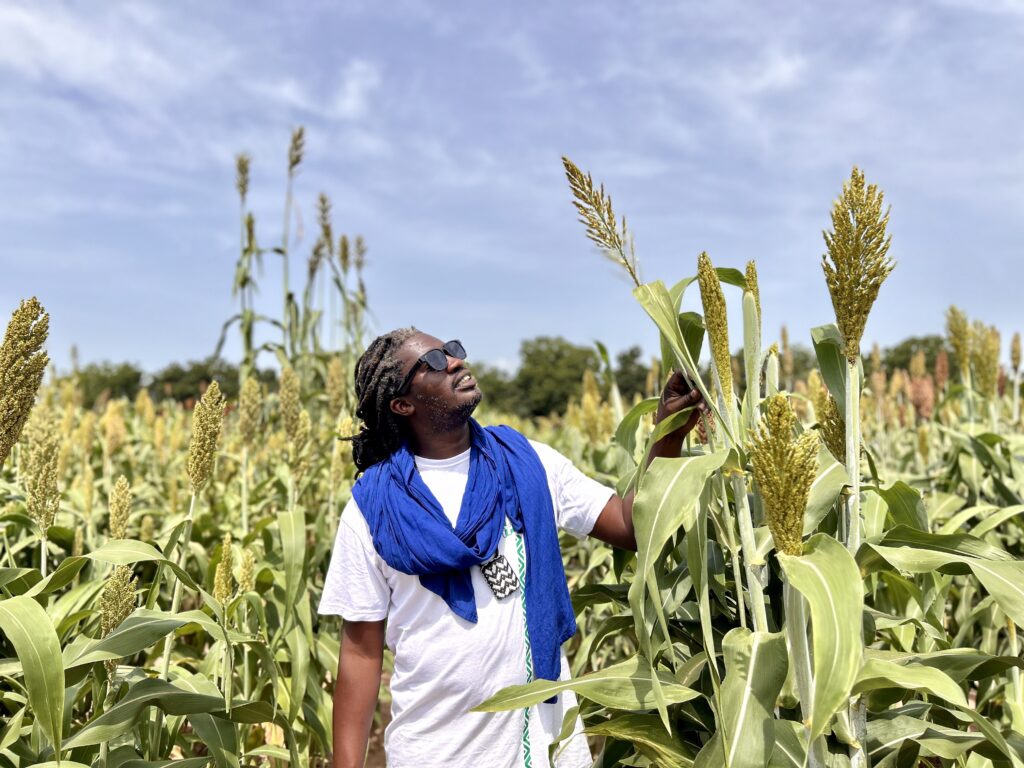
The RCoE coordinates research across essential crop value chains which include climate-smart, micro-nutrient rich, high-yield, and early-maturing varieties such as millet, sorghum groundnut, and cowpea. The initiative points out that these crops are widely cultivated by women and youth that represent near 50% of the labor force in the sector; empowering these groups, therefore, could boost productivity, income generation, and employability.
The RCoE’s ISO certified labs generate and scale up best practices in a collaborative environment. Here students, professionals, and farmers can experiment and refine practices to maximize productivity while minimizing environmental impact.
Over the past decade, the RCoE reports having successfully developed over 50 agricultural innovation technologies shared across and beyond the region. These include high-yielding, drought-resistant, and multipurpose crop varieties, along with integrated soil and pest management practices specifically tailored for dryland farming conditions.
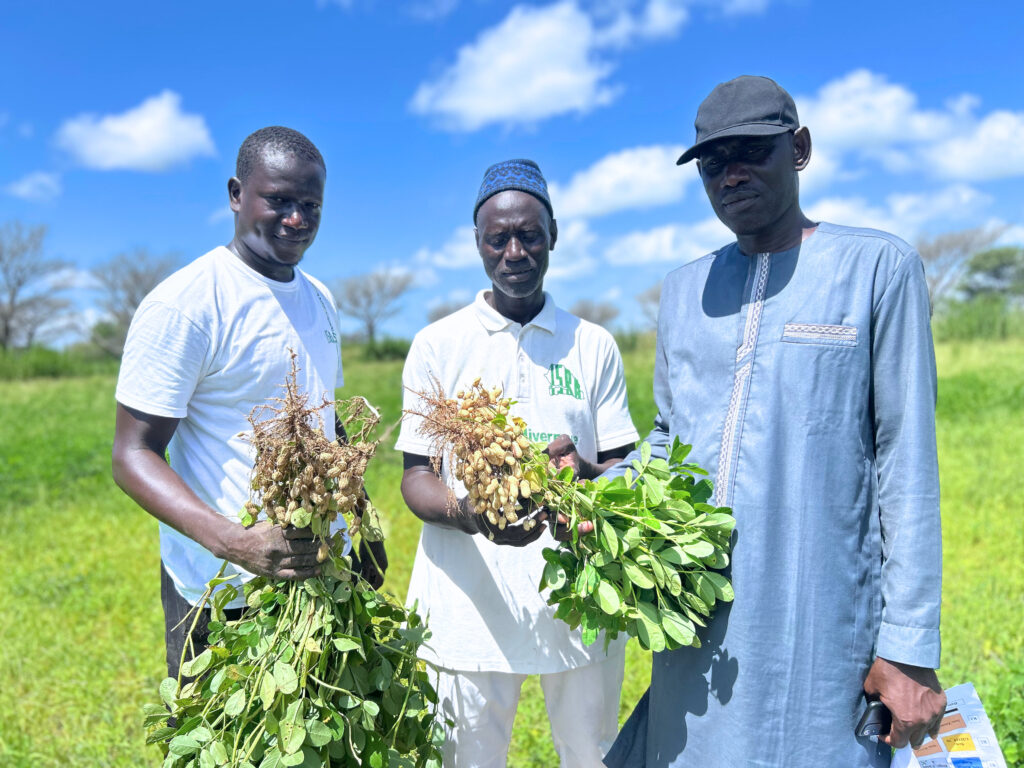
Minimizing environmental impact remains a priority. The RCoE encourages farmers to recognize the urgent need to integrate environmentally friendly practices within agricultural systems. Reducing chemical fertilizer use and implementing sustainable pest and soil management strategies promotes environmental health alongside agricultural productivity.
The initiative believes that this model of collaboration between CORAF and the constituent institutions of the RCoE on dryland cropping systems is critical for advancing climate-smart agriculture, enhancing food sovereignty, and promoting sustainable agricultural practices. According to the initiative, over 1.5 million farmers across West Africa are now using improved technologies, contributing to both increased production and a more sustainable approach to agriculture. Their collective efforts are helping to create resilient farming systems that can withstand the challenges posed by climate change and ensure a more secure and self-reliant future for communities in the region.
Learn more about CORAF.
Written by Gilly Smith
Photos provided by CORAF
CORAF Regional Center of Excellence
CORAF develops drought-resistant crop varieties and sustainable farming techniques for dryland environments.
Launch year: 2018
Based in: Senegal