EatCloud: Where Surplus Becomes an Asset in the Climate Crisis
In a world plagued by the dual challenges of food waste and hunger, a trailblazing startup named EatCloud is making waves by offering an innovative solution that claims to address both issues simultaneously.
Unlike other waste apps, in the EatCloud vision, surplus food is not seen as waste or charity, but as a strategic asset within food companies’ sustainability agendas. EatCloud claims that its triple impact reduces waste, fights hunger, and benefits the environment. Its tech platform redistributes surplus food to vulnerable communities, preventing it from ending up in landfills and generating positive environmental, social, and economic impact.
EatCloud says its strength lies in the valuable data its AI generates for clients to make climate-smart business decisions that conform to ESG (Environmental, Social, and Governance) standards.
Central to EatCloud’s strategy is the use of artificial intelligence. By automating the surplus food management process, the platform claims to streamline logistics and provide financial incentives for participating companies.
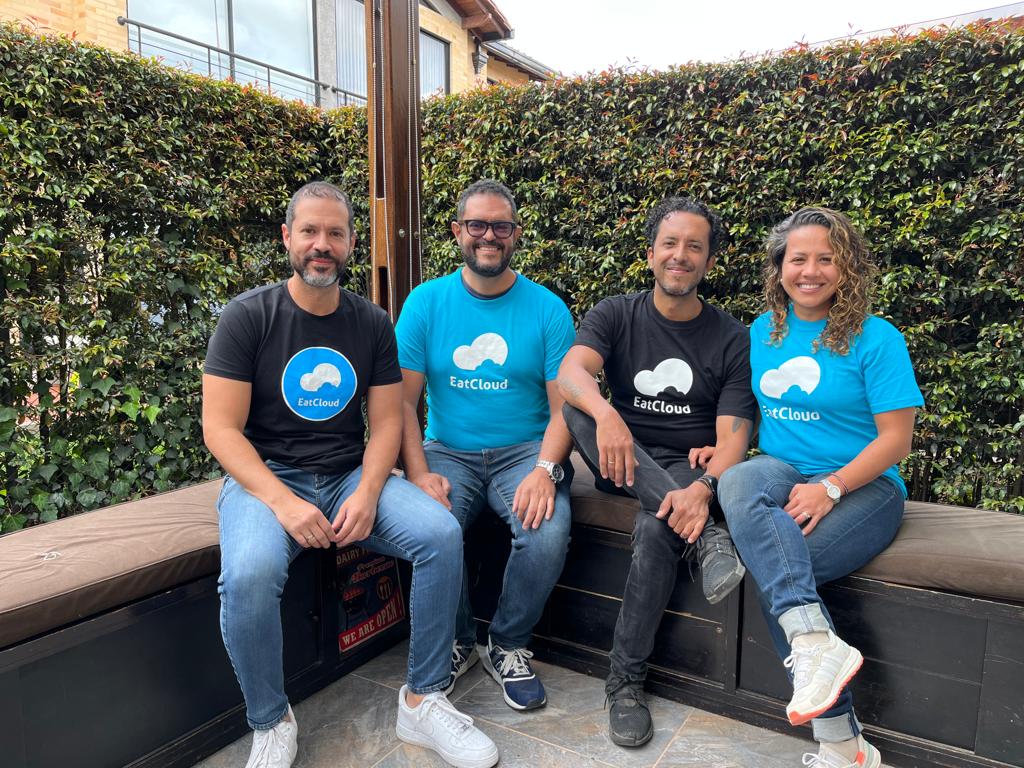
In just five years, EatCloud has grown from a pilot project to operating in Colombia, Mexico, and Ecuador, onboarding in Guatemala, Costa Rica, Peru, Morocco, and Zambia, and accelerating in the USA, Spain, and Italy—proving its ability to provide value and its adaptability across markets.
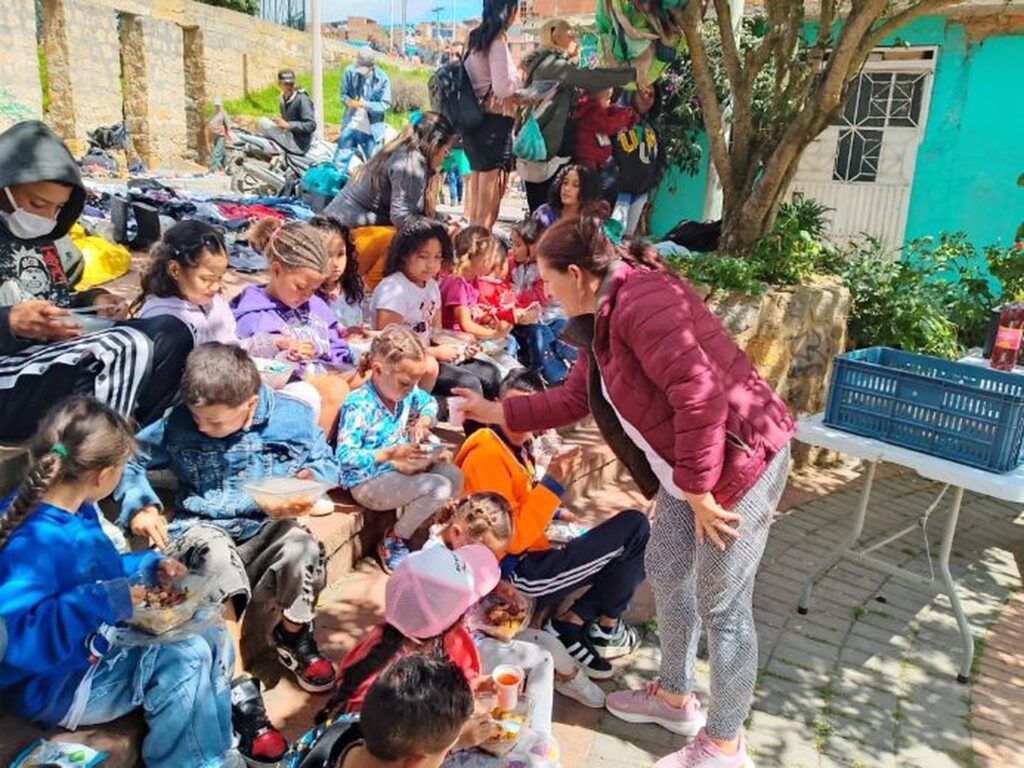
The initiative states it has prevented the waste of over 47,000 tons of food to date, equivalent to more than 113 million meals, partnering with 1,123 nonprofit organizations in the process. According to EatCloud, this has prevented the emission of over 1100 tons of CO₂ and saved over 28 billion liters of water, while generating over USD 40 million in savings across the food ecosystem. Creating tailored data insights for users across the food industry, EatCloud claims its versatility encourages adoption, maximizes impact across the supply chain, and shows how data-driven solutions can reshape our relationship with food.
The initiative also has strategic partnerships with organizations such as WWF, the Global Foodbanking Network, Deloitte, and SAP, which support EatCloud’s endeavors.
Learn more about EatCloud.
Written by Gilly Smith
Photos provided by EatCloud
EatCloud
EatCloud uses an AI-powered digital platform to automate the redistribution of unsold food to those in need.
Launch year: 2020
Based in: Colombia, Ecuador, Mexico