Enviu Agrifood: Building a Climate-Resilient Food Future Through Farmer-Led Ventures
Across the African continent, 33 million smallholder farmers produce the majority of the region’s food—yet many live on less than $1.50 a day, with limited access to markets, information, or cold storage. Their soils, long strained by extractive farming and chemical dependence, are losing fertility, while climate change tightens its grip. But a quiet transformation blending entrepreneurship with ecology is taking root.
Enviu Agrifood is reimagining the continent’s food systems as regenerative, inclusive, and climate-resilient ecosystems. Launched in 2020 by the Dutch impact venture-building company Enviu, the organization is creating a new generation of investible, self-sustaining ventures that work for both people and the planet. Their mission is to replace extractive food systems with circular, regenerative ones that ensure prosperity for farmers while healing the Earth.
Enviu’s approach is rooted in systems thinking and social entrepreneurship. Rather than treating symptoms like food waste or low yields in isolation, they build interconnected ventures that tackle multiple pressure points simultaneously. Over the past five years, Enviu has developed four complementary businesses across Kenya and East Africa that together form a living blueprint for systemic food transformation.
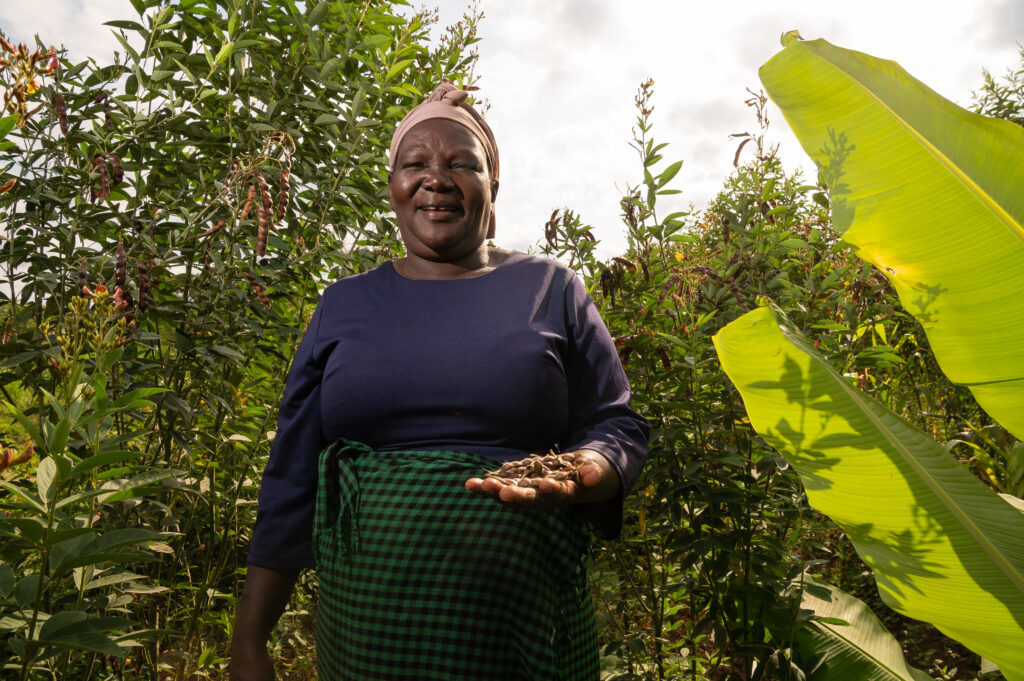
The first two, Sokofresh and Shambani Pro, target the problem of post-harvest food loss, which accounts for nearly 40% of all produce that does not get consumed. Sokofresh provides solar-powered cold storage and digital market access directly to farmers, guaranteeing offtake and income stability. Shambani Pro turns unsold or imperfect produce into high-value processed goods, building rural value chains where waste becomes an opportunity. According to the organization, they’ve already served over 20,000 farmers, prevented more than 5.8 million kilograms of food loss, and mitigated 224 metric tons of CO₂ emissions.
The next phase of Enviu’s work is turning farming itself from extractive to regenerative. Their ventures Halisigro and Zawiri Foods make regenerative agriculture financially attractive for smallholder farmers. Halisigro equips and trains farmers to restore soil health through intercropping, composting, and agroforestry, while Zawiri Foods connects them to premium buyers of regenerative produce, ensuring profitability within just one year of transition. Already, over 1,000 farmers have adopted regenerative practices through Enviu’s programs, revitalizing 300 acres of farmland.
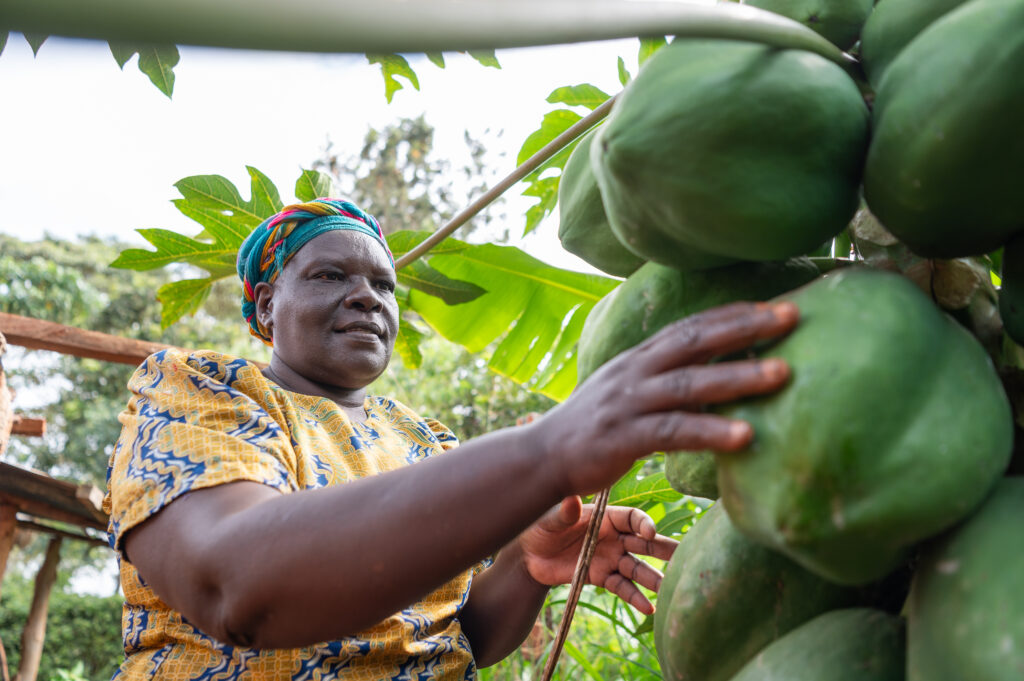
According to the organization, incomes have gone up by 20–300%, biodiversity is returning, and young people and women are finding renewed purpose in agriculture. About 70% of participating farmers are women, many of whom are now leading local training groups and cooperative enterprises. Enviu’s ventures are designed to be commercially viable within two to three years, ensuring long-term sustainability without dependence on aid.

Enviu Agrifood offers more than ventures—it offers a vision. A vision where food systems nourish people and planet alike, where farmers are entrepreneurs of regeneration, and where markets reward sustainability. Enviu is proving that the future of food can be both profitable and good for the planet, rooted in resilience, powered by people, and grown in harmony with nature.
Learn more about Enviu Agrifood.
Written by Sarah Souli
Photos provided by Enviu Agrifood
Enviu Agrifood
Enviu Agrifood builds scalable social ventures that transform food systems in sub-Saharan Africa.
Launch year: 2020
Based in: Netherlands and Kenya