Farmer Lifeline: Early Crop Pests and Diseases Detection Patented AI Technology
Every year, nearly half of all global crop production (43%) is lost to pests and diseases. The damage amounts to more than USD $220 billion in losses annually. Across the African continent, these threats are even higher, destroying up to 47% of total harvests. The result: deepened poverty, hunger, and escalating greenhouse gas emissions from overuse of chemical pesticides and fertilizers.
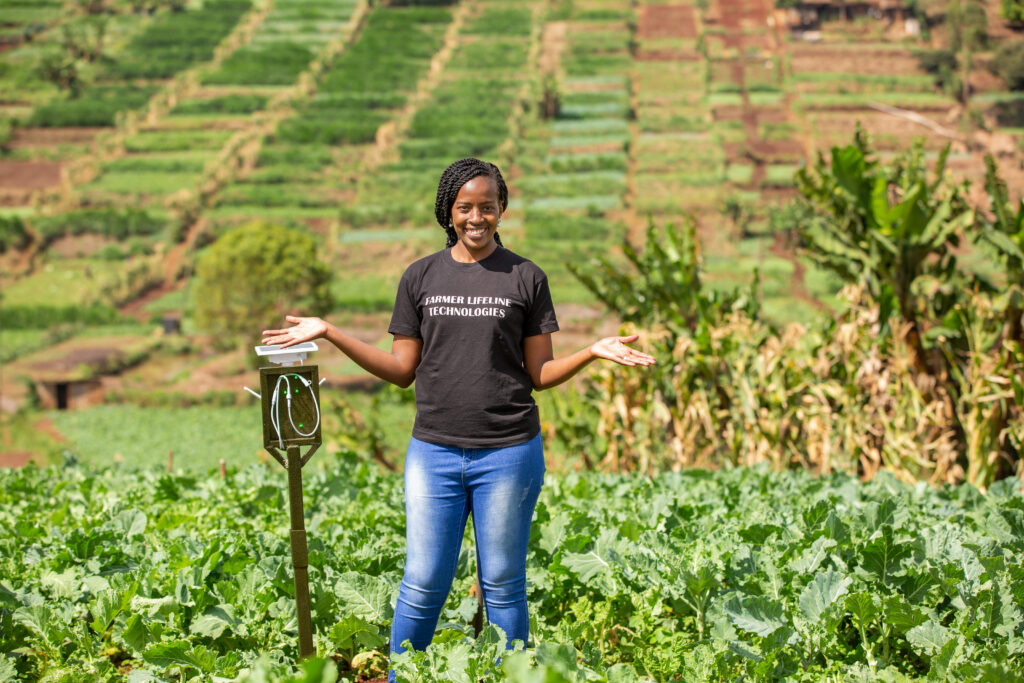
In Kenya, one startup believes it has found a breakthrough solution. Farmer Lifeline, founded in 2022, has developed what it calls the world’s first solar-powered autonomous agricultural AI-robot, designed to serve as an “always-on farm doctor.” Permanently installed in farmers’ fields, each device uses AI-camera scanners and environmental sensors to continuously monitor crops, detecting the earliest signs of pest infestation or disease within seconds. Once a threat is identified, farmers receive SMS alerts with simple, actionable recommendations for environmentally-friendly fertilizers or pesticides.
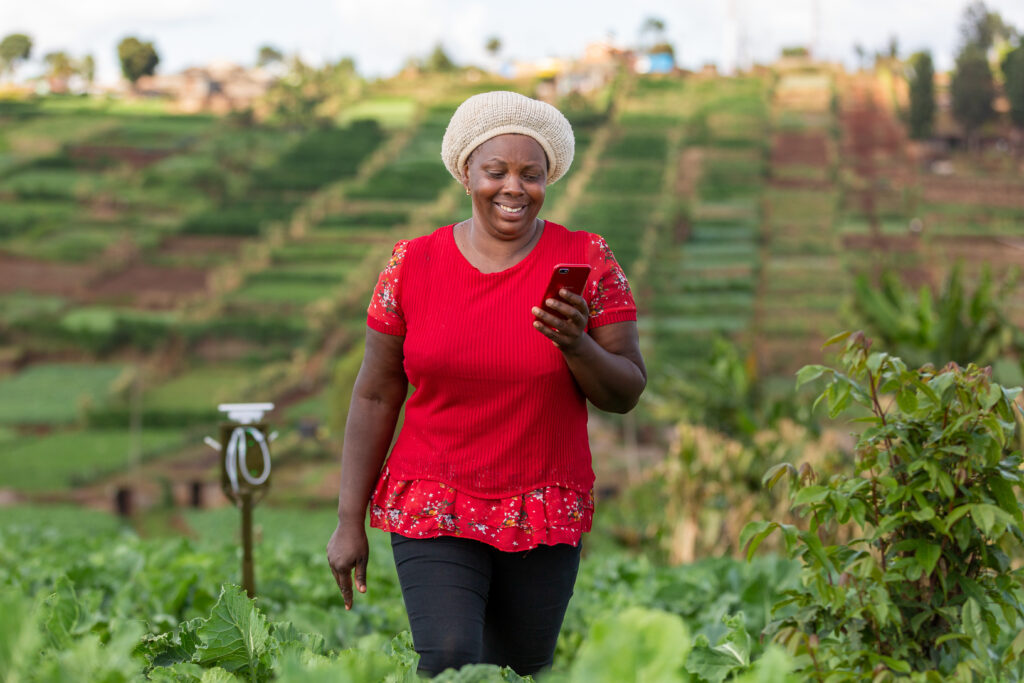
The result is precision farming accessible even to smallholder farmers earning less than $5 a day. At a cost of just $3 per month, each device covers roughly one acre and serves between three to five farmers. According to the initiative, Farmer Lifeline’s system has so far detected over 1.7 million pest and disease instances, helping 53,970 small-scale farmers in Kenya save over 90% of the technology users have reported a 45% reduction in crop losses and a 30% increase in harvest yields.
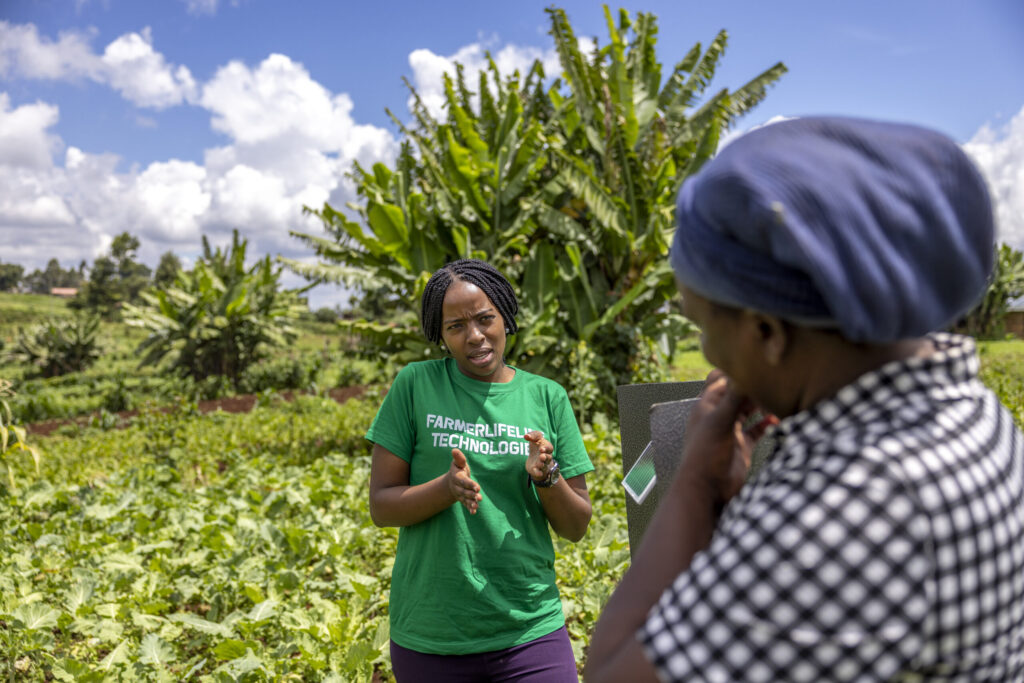
The impact goes beyond productivity. By guiding farmers toward low-emission agriculture, the initiative claims it has reduced 111,000 metric tons of CO₂. Through precision input use, fertilizer consumption has fallen by 35% and pesticide use by 40%, restoring 37,807 acres of degraded farmland and protecting local water systems and biodiversity. Farmer Lifeline’s innovation is also reshaping rural gender dynamics; the company trains and employs women from marginalized communities to distribute and maintain the AI-devices. According to the initiative, 141 women have been trained to date, with plans to reach 1,450 within three years.
At the heart of Farmer Lifeline’s model is a simple but radical idea: that climate-resilient, data-driven agriculture should be accessible to everyone. Backed by five Kenyan patents and a global inventors’ patent, the technology integrates with early-warning satellite systems and global pest databases, enabling deployment anywhere in the world.
By 2030, Farmer Lifeline aims to reach 1 million smallholder farmers in Kenya and 30 million globally, preventing over $10 million in crop losses while empowering farmers as the first line of defense against hunger and climate change.
Learn more about Farmer Lifeline.
Written by Sarah Souli
Photos provided by Farmer Lifeline
Farmer Lifeline
Farmer Lifeline’s solar-powered AI robots provide 24/7 farm surveillance, detecting pests and diseases in seconds to deliver climate-smart solutions directly to farmers’ phones.
Launch year: 2022
Based in: Kenya