Farmlink Project: Connecting Excess Produce to Food-Insecure Communities
Redistributing food waste rather than discarding it is becoming one of the most important weapons in the fight to combat hunger and food waste in a climate crisis.
Among the many initiatives now redistributing surplus food away from landfill, The Farmlink Project has developed a unique system that connects farmers with surplus to families in need in their own communities.
The Farmlink Project’s core belief that nutritious food should be a right for all has led to a robust community of partnerships across the nation, which enable Farmlink to locate surplus produce, coordinate transportation, and ensure it reaches communities facing the greatest barriers to fresh, healthy food. Collaborating with indigenous communities, migrant worker groups, rural churches, and mutual aid organizations that have historically been excluded from mainstream food distribution systems, the organization works to respond to the more nuanced needs of each community—such as weekend drop-offs to farmworker housing or deliveries to remote tribal areas.
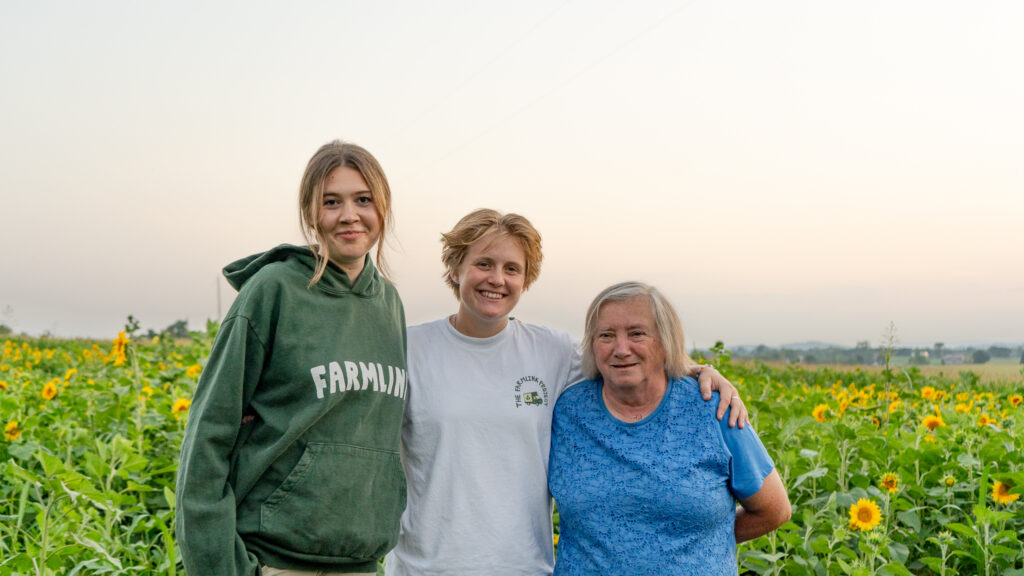
Its mission is urgent: 47 million Americans currently face food insecurity while more than 35 billion pounds of edible fresh produce go to waste annually. Much of this surplus never leaves farms while families, seniors, and farmworkers in the same locale struggle to access vital nutrition.
Launched in April 2020 as a response to supply chain disruptions during the COVID-19 pandemic, Farmlink began with a simple premise: connect farms with surplus produce to food-insecure communities. What started as a grassroots effort by a group of proactive college students has since evolved into a nationwide nonprofit, with a dedicated professional team and a widespread network of collaborators. Farmlink states it has moved nearly 500 million pounds of food over the past five years.
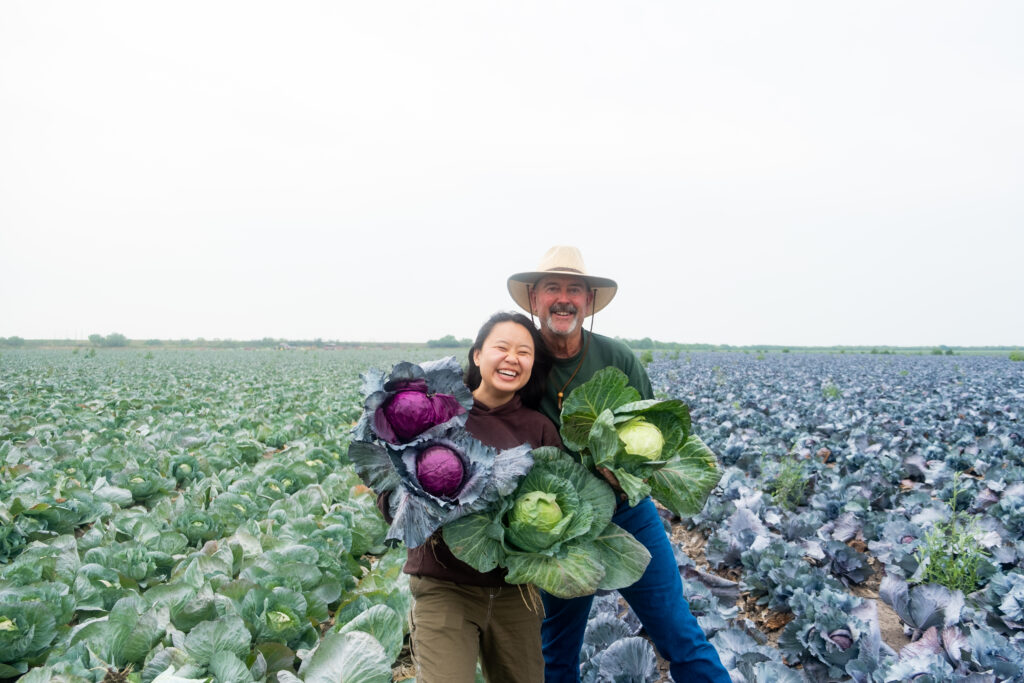
Its operation is straightforward and nimble. Instead of owning infrastructure such as trucks or warehouses, Farmlink partners directly with farms to pinpoint surplus produce and matches them with food banks and other hunger-fighting organizations nationwide. Once a match is identified, the organization takes charge of coordinating and funding the transportation to deliver the produce where it’s most needed.
Through this dynamic model, Farmlink ensures the distribution of nutritious food and contributes to the reduction of greenhouse gas emissions. It also supports farmers who face challenges with waste, covering logistical expenses and delivering direct support. This means that valuable produce continues to feed communities rather than filling up landfills.
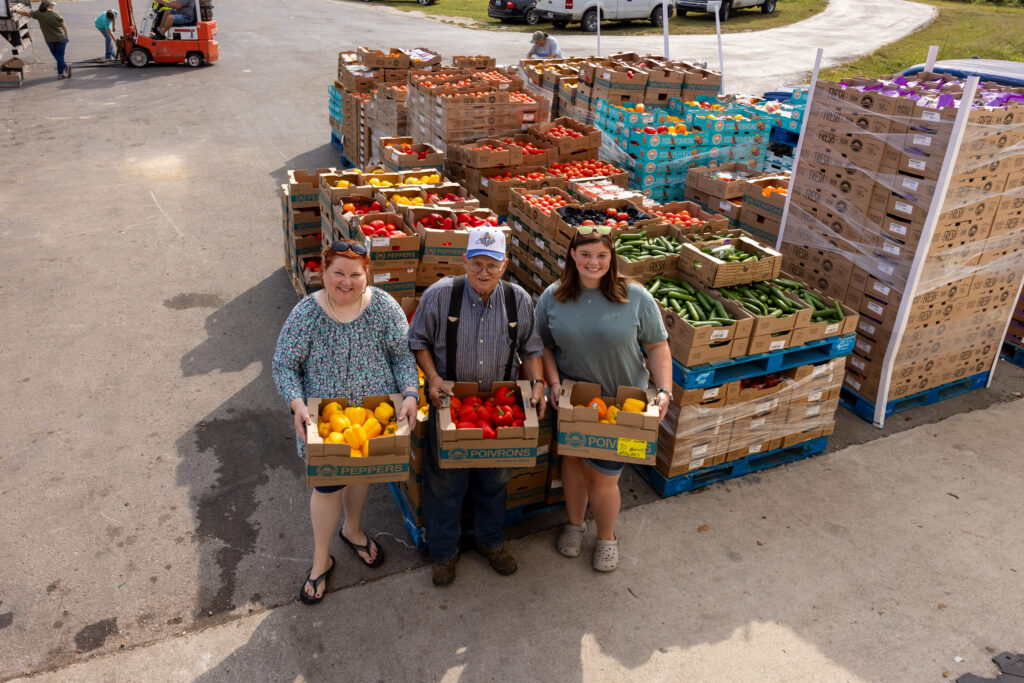
This closed-loop system strengthens local and regional food systems, making them more resilient and less reliant on fragile global supply chains which often leaves farmers susceptible to climate shocks and resource scarcity.
With nationwide food banks and hundreds of smaller, community-driven organizations within its network, The Farmlink Project’s goal is to repair the systemic breakdown in the current food system by showing how food waste and food insecurity can—and should—intersect. It is this innovative and scalable approach of optimizing existing resources, the initiative says, that maximizes the reach of its mission across the country.
Learn more about Farmlink Project.
Written by Gilly Smith
Photos provided by Farmlink

Farmlink Project
The Farmlink Project directly connects farms with surplus produce with hunger-fighting organizations, funding and coordinating the transport of food to those in need.
Launch year: 2020
Based in: USA, Canada, Mexico