Gramin Vikas Vigyan Samiti (GRAVIS): Regenerating Food Systems in the Thar Desert and Beyond
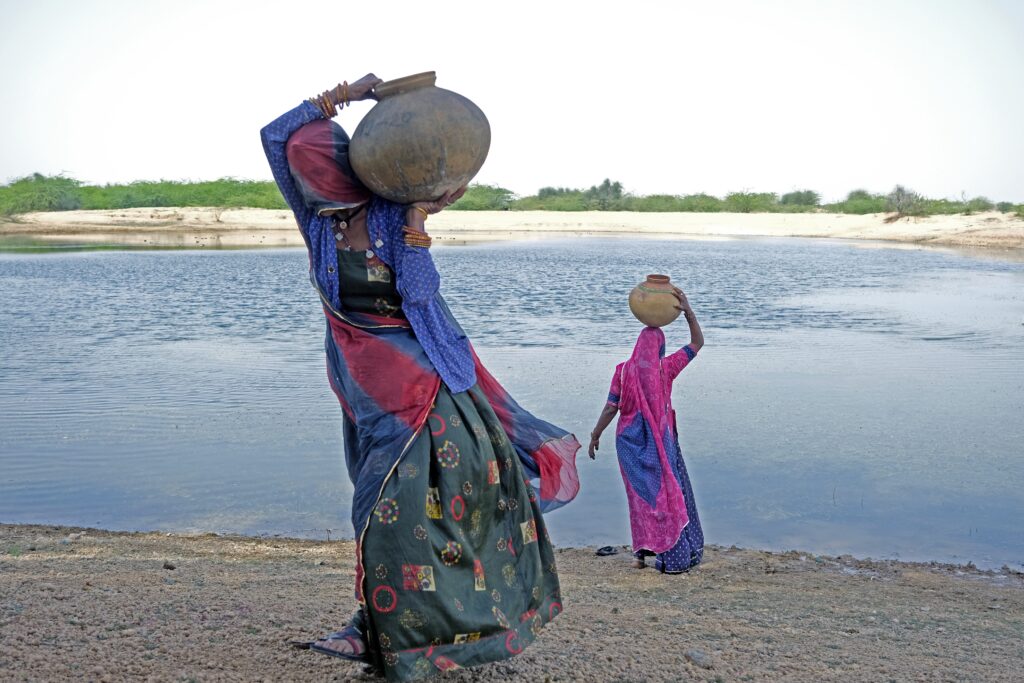
In India’s vast Thar Desert, water is scarce and the communities living in this sun-scorched land are often ignored. But something remarkable is happening. Amid the sand dunes and cracked earth, people are growing food, restoring ecosystems, and reviving centuries-old wisdom, all while tackling some of the most urgent challenges of our time: desertification, food insecurity, and climate resilience.
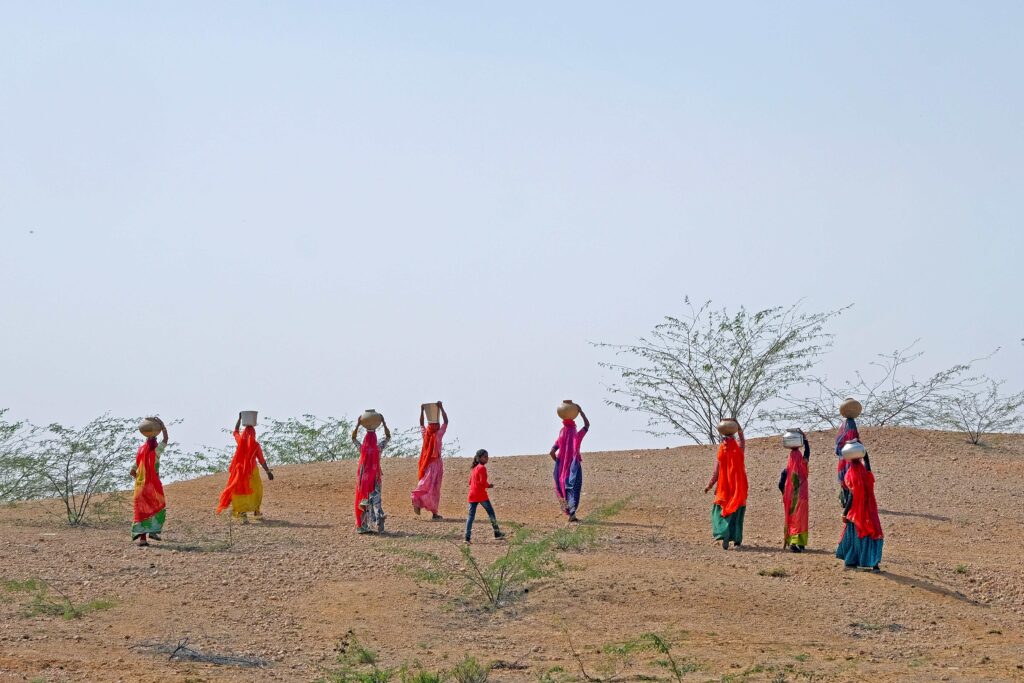
Gramin Vikas Vigyan Samiti (GRAVIS), a grassroots organization founded in 1983 by Gandhian activists, is behind this quiet but powerful transformation. Working across more than 2,000 villages in Rajasthan, Uttarakhand, and Uttar Pradesh, GRAVIS isn’t just responding to these crises. It’s rewriting what’s possible in arid and marginal lands. Their entry point? Regenerating food systems from the ground up.
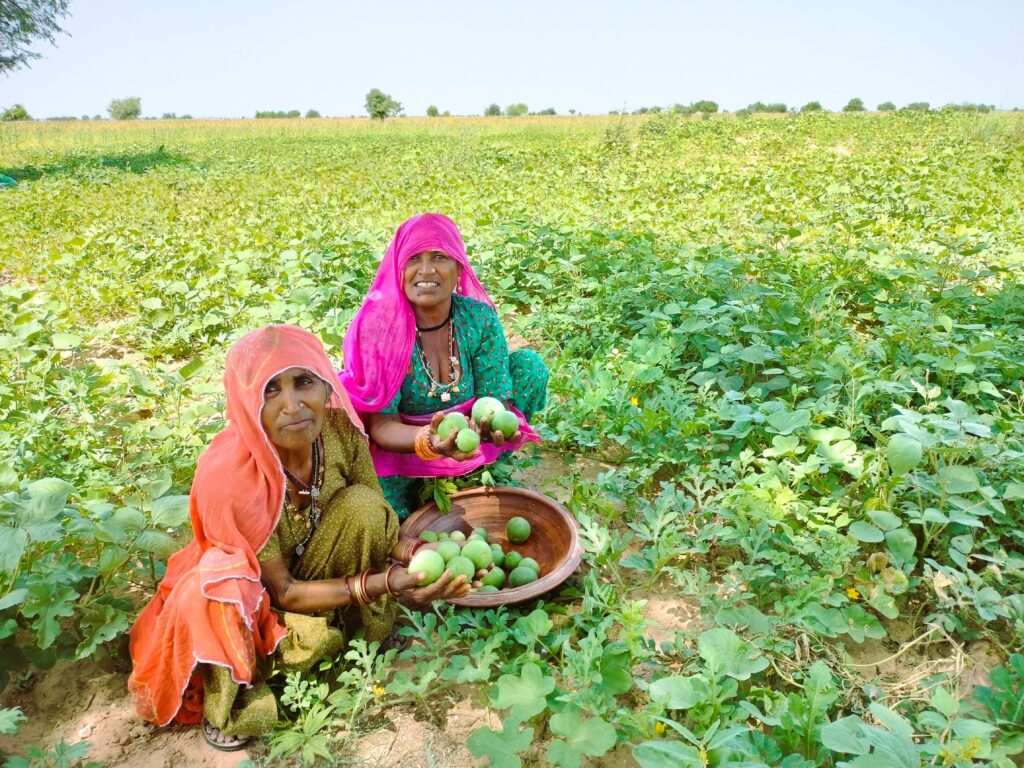
Unlike interventions that focus on short-term relief or top-down technologies, GRAVIS starts with the land, the water, and the people who know them best. The organization’s core model—farming dykes, Arid Horticulture Units (AHUs), and Silvipasture systems—is built on traditional ecological knowledge, reimagined for a changing climate. Each component is low-tech, community-managed, and ecologically grounded. According to the organization, together, they work with the desert to produce productive, biodiverse, and food-secure ecosystems.
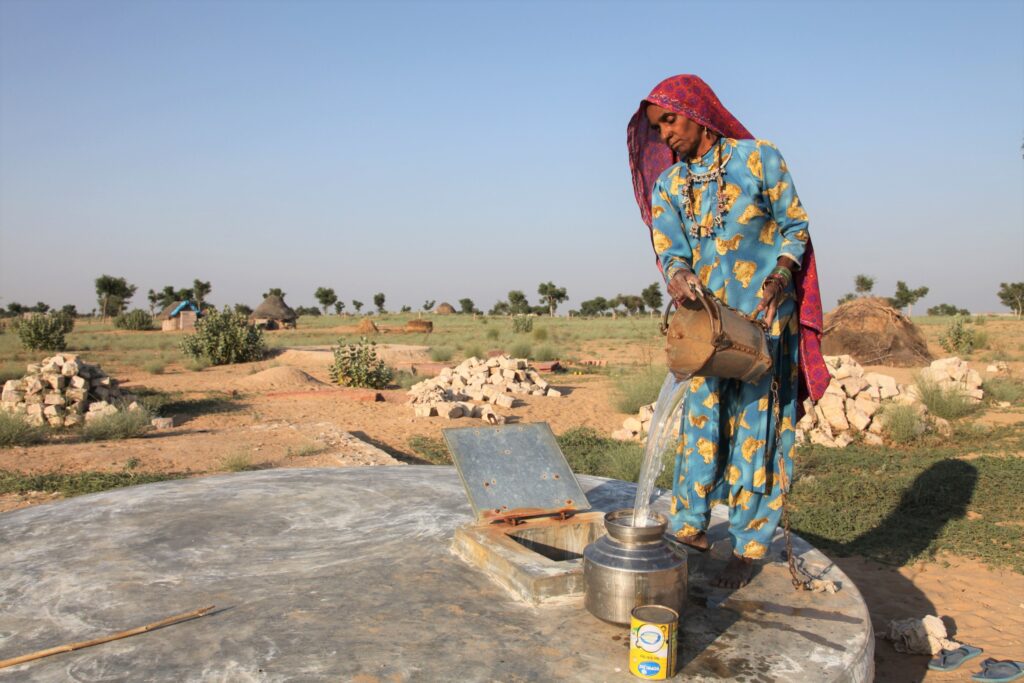
Take farming dykes, ancient earthen embankments that capture monsoon rain. In an area with virtually no perennial rivers and only a few weeks of rainfall each year, these structures retain precious moisture, prevent erosion, and enable the cultivation of multiple crops. Thousands of dykes have been restored, turning previously uncultivable land into fertile ground. GRAVIS estimates these structures have a 40:1 return on investment, with a lifespan of over two decades. They are climate-smart, cost-effective, and deeply rooted in local knowledge systems.
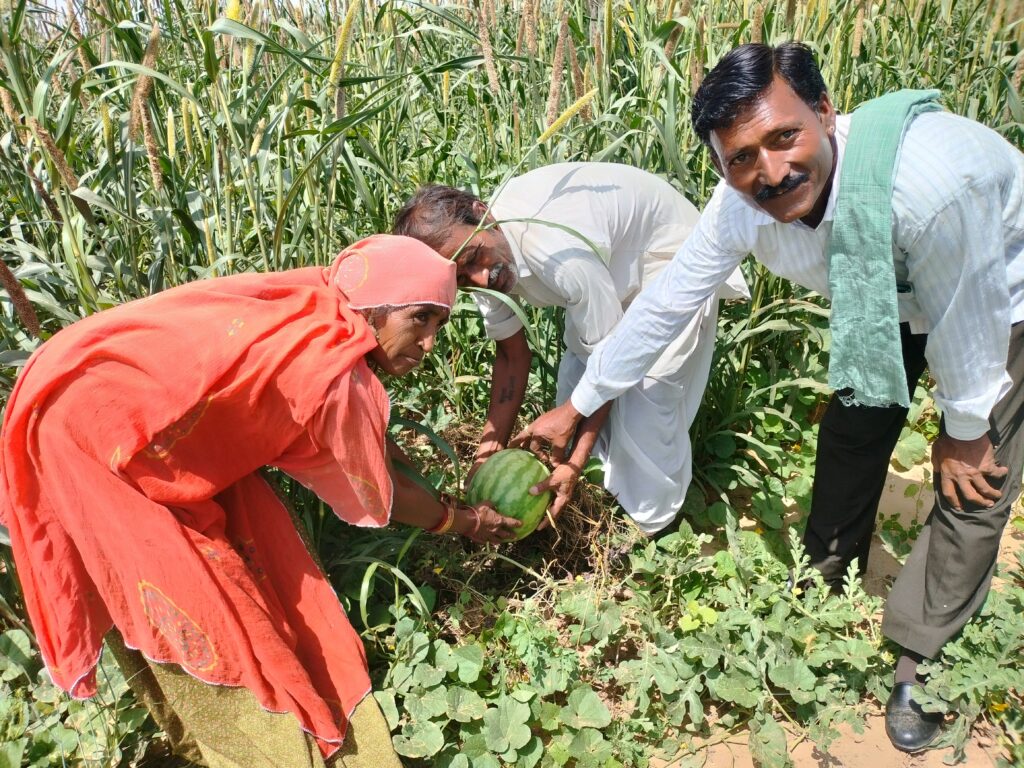
AHUs are small, diversified orchards with drought-resistant fruit trees planted near homes. These not only provide essential vitamins and minerals in diets that are often heavily cereal-based, but also generate income through the sale of surplus produce. According to GRAVIS, they contribute to microclimate regulation, pollination, and soil restoration. Silvipasture Units round out the model, blending fodder crops with trees to support livestock (still a cornerstone of rural food systems in these regions). With reliable year-round fodder, farmers no longer have to overgraze common lands or struggle during droughts. Milk and meat production stabilize, protein availability improves, and incomes rise.
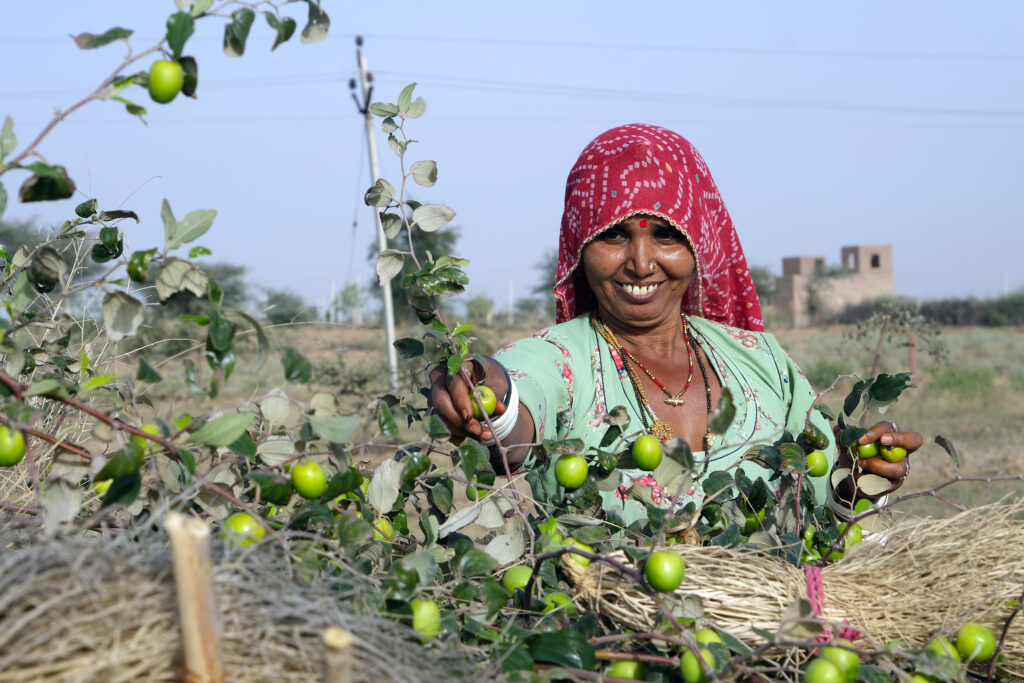
All of this is done without fossil fuel dependence, external inputs, or commercial motives. GRAVIS works as a holistic process, incorporating land and community through a participatory model. According to the initiative, over 10,000 traditional water structures have been restored, thousands of hectares of land regenerated, dietary diversity improved, and more than 2.5 million people directly impacted. GRAVIS aims to scale this model to reach five million people and establish a global learning hub for regenerative food systems in drylands. Their vision is clear: a world where deserts can grow food, sustain life, and offer dignity. Not through extraction, but through regeneration.
Learn more about GRAVIS.
Written by Sarah Souli
Photos provided by GRAVIS
GRAVIS
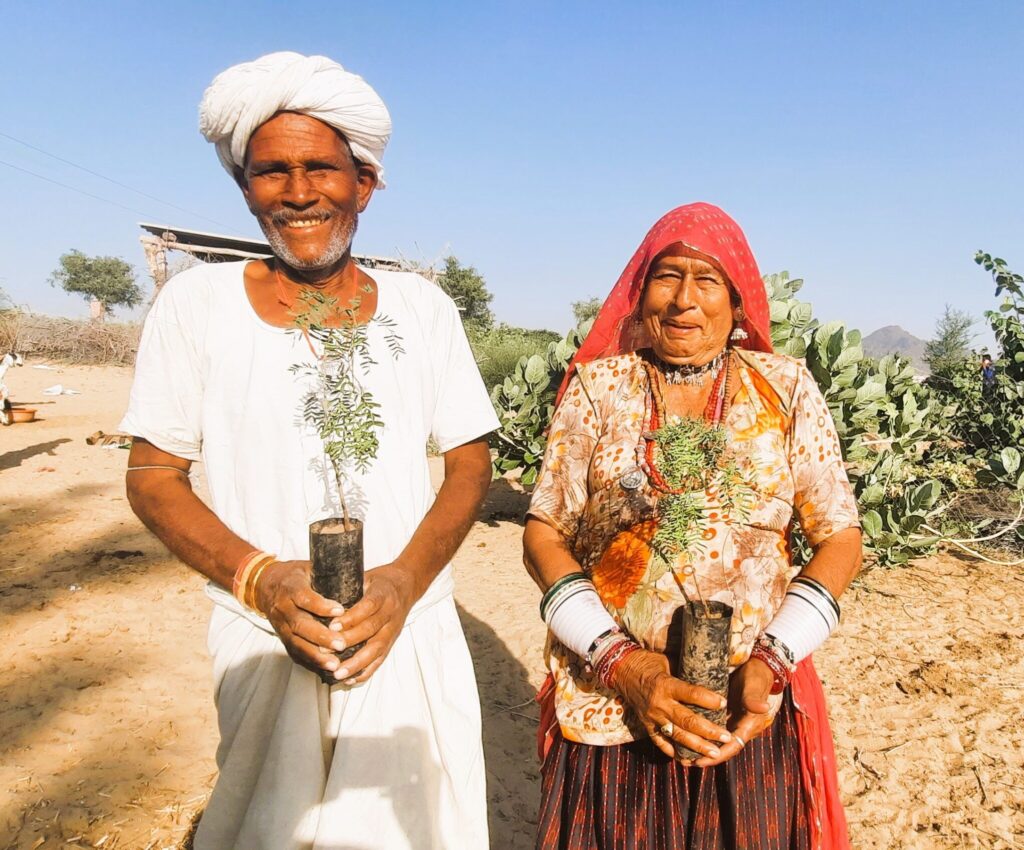
GRAVIS (Gramin Vikas Vigyan Samiti) has been supporting community-led food system initiatives in the water-scarce Thar Desert since 1983.
Launch year: 1983
Based in: India