Harnessing Plants Initiative: Getting to the Root of Agriculture’s Problem
In the fight against climate change, agriculture is often seen as part of the problem. But what if it could be part of the solution, at scale, and without disrupting food production? That’s the ambitious goal of the Harnessing Plants Initiative (HPI) at the California-based Salk Institute for Biological Studies. They’re doing so by getting to the root of the issue—plant roots, that is.
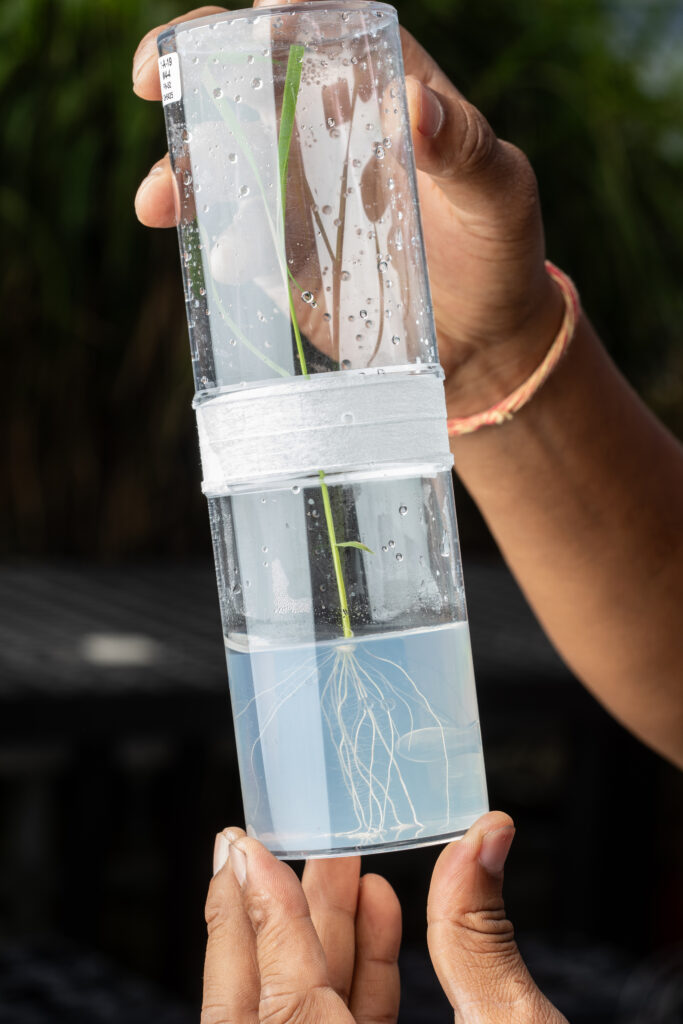
Launched in 2017, HPI takes a fundamentally different approach to climate-smart farming. Rather than changing how we grow food, they are examining the plants themselves. HPI has zeroed in on root systems, enhancing them to capture and store more carbon dioxide underground, where it can remain for centuries. Roots are nature’s underground carbon storage system. Every growing season, plants absorb CO₂ from the atmosphere and push a portion of it below ground through their roots. But most modern crops, selectively bred for above-ground yield, have shallow, underperforming root systems that lose carbon quickly to the atmosphere. HPI is working to reverse that.
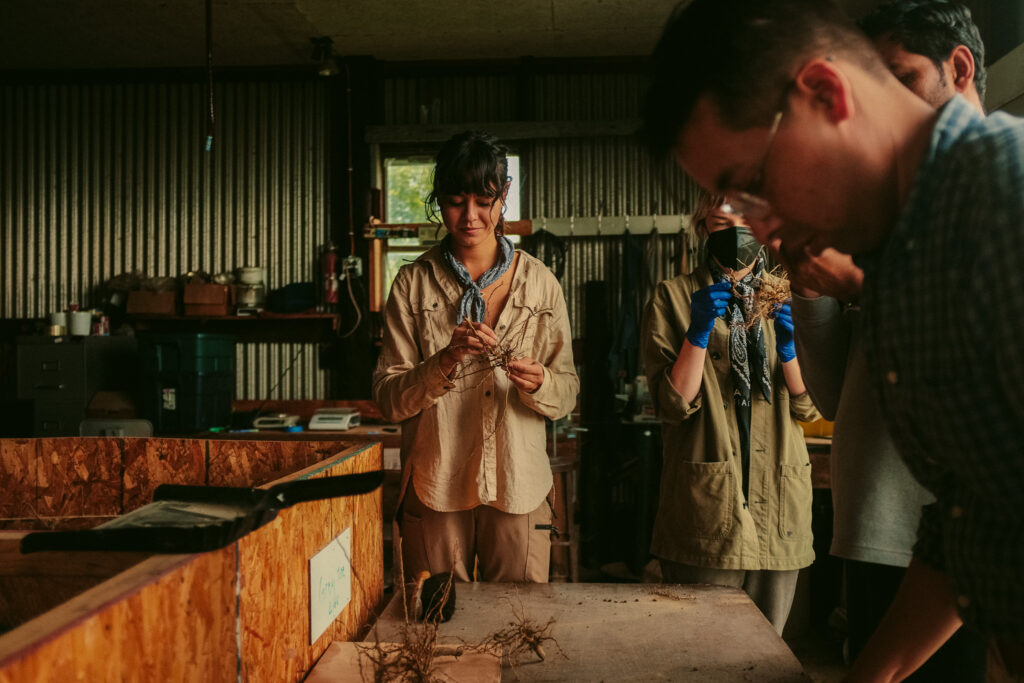
Through their CRoPS (CO₂ Removal on a Planetary Scale) program, the initiative uses advanced genetic tools—CRISPR, transgenics, and conventional breeding—to improve three key root traits across major staple crops: depth, biomass, and suberin content. Suberin is a waxy biopolymer that makes root tissue resistant to decomposition. The deeper and more durable the roots, the longer carbon stays in the soil.
HPI’s early results are striking. According to the organization, a single gene modification can boost target traits by up to 400%, and enhanced crops could sequester up to one extra ton of CO₂ per acre each year. Scaled across the 814 million hectares planted globally with crops like maize, rice, wheat, soybean, and canola, the climate potential is massive—up to 2.7 gigatons of CO₂ removed annually.
HPI’s enhanced crops require no new equipment, no yield trade-offs, and no costly inputs. That makes them accessible to both conventional and regenerative farmers alike. The team is also working with global nonprofit breeding centers to ensure that smallholder farmers, especially in low-resource settings, can benefit, while simultaneously partnering with commercial seed companies to reach commodity markets.
Their impact goes beyond carbon. Healthier, deeper-rooted plants improve soil structure, water retention, and nutrient availability, increasing resilience to drought and reducing reliance on fertilizers. Over time, this could revitalize degraded farmland and open up new areas for sustainable food production. The initiative says they reached a major milestone in 2025: their first field trials of enhanced crops. Backed by a state-of-the-art research platform housing genomic data from 900 plant species, advanced imaging, and single-cell RNA sequencing, HPI has already identified over 350 genetic leads, with 38 improved plant lines under study.
With ongoing work in isotope labeling and soil carbon monitoring, HPI is building the foundation not just for improved crops, but for credible, verifiable carbon markets. Ultimately, HPI sees agriculture not just as a source of food, but as a global-scale climate solution that can restore soils, support farmers, and help pull carbon from the sky back into the earth.
Learn more about the Harnessing Plants Initiative.
Written by Sarah Souli
Photos provided by the Harnessing Plants Initiative
Harnessing Plants Initiative
The Harnessing Plants Initiative genetically enhances plant root systems to capture and store atmospheric carbon dioxide deep within the soil.
Launch year: 2017
Based in: USA