International Biochar Initiative: Leading the Charge for Climate-Smart Agriculture
Biochar, a carbon-rich charcoal-like substance, could become the next science-driven remedy for climate change mitigation and sustainable development. Biochar improves soil structure by boosting microbial activity, alongside a myriad of other benefits, which can lead to better crop yields with fewer chemical inputs. This could help regions suffering from degraded soils and erratic weather, such as parts of Sub-Saharan Africa and South Asia.
According to the International Biochar Initiative (IBI), biochar is a material that communities and industries should be encouraged to integrate into their climate change action, ecosystem regeneration, and sustainable development efforts at scale.
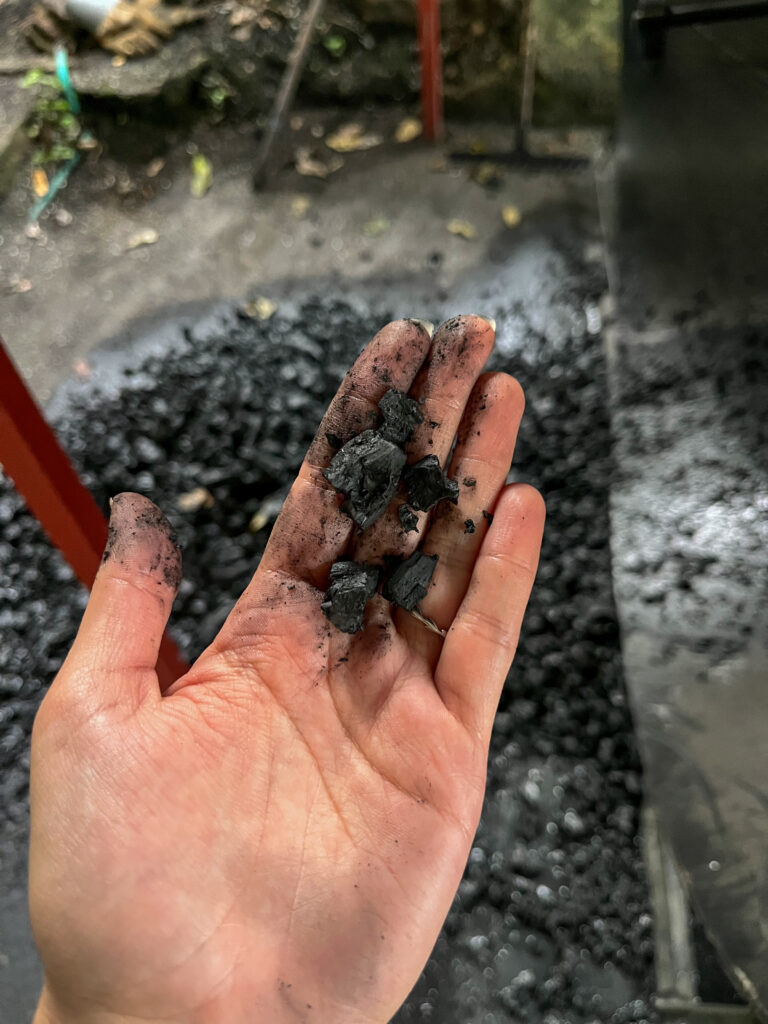
Founded in 2006, IBI is a global non-profit organization which has become a vital ecosystem for the biochar industry, cultivating a vibrant global network of researchers, entrepreneurs, farmers, policymakers, and carbon credit certifiers—all committed to unlocking its potential.
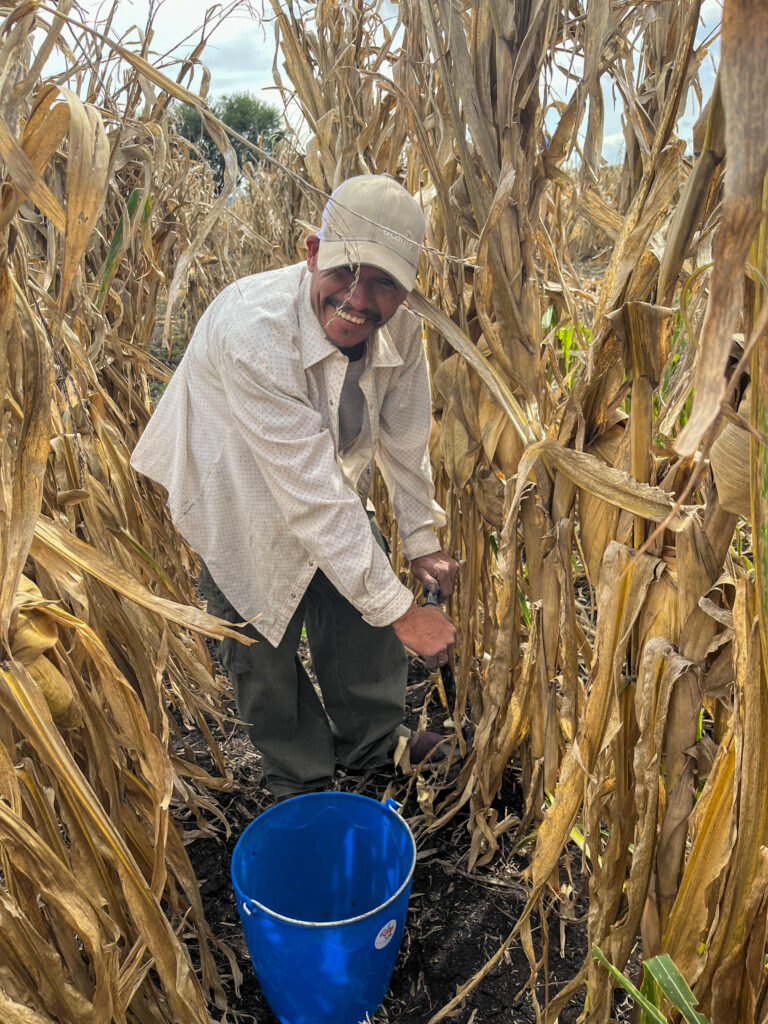
Biochar can improve soil fertility and crop resilience while supporting farmer livelihoods.
The initiative champions biochar as a nexus solution for key issues plaguing our food systems, including soil degradation, agricultural emissions, nutrient loss, waste mismanagement, and food insecurity. Decades of research demonstrate that biochar not only enhances soil health and increases water retention but also reduces fertilizer dependency, thereby aiding farmers in adapting to climate change, all while permanently sequestering atmospheric carbon.
The carbon-rich substance is derived from the thermochemical processing of biomass leftovers, and offers promising solutions to pressing agricultural challenges. IBI positions itself as a knowledge and education broker in the biochar sector, providing expert guidance, connecting stakeholders across the value chain, and catalyzing market development for this material.
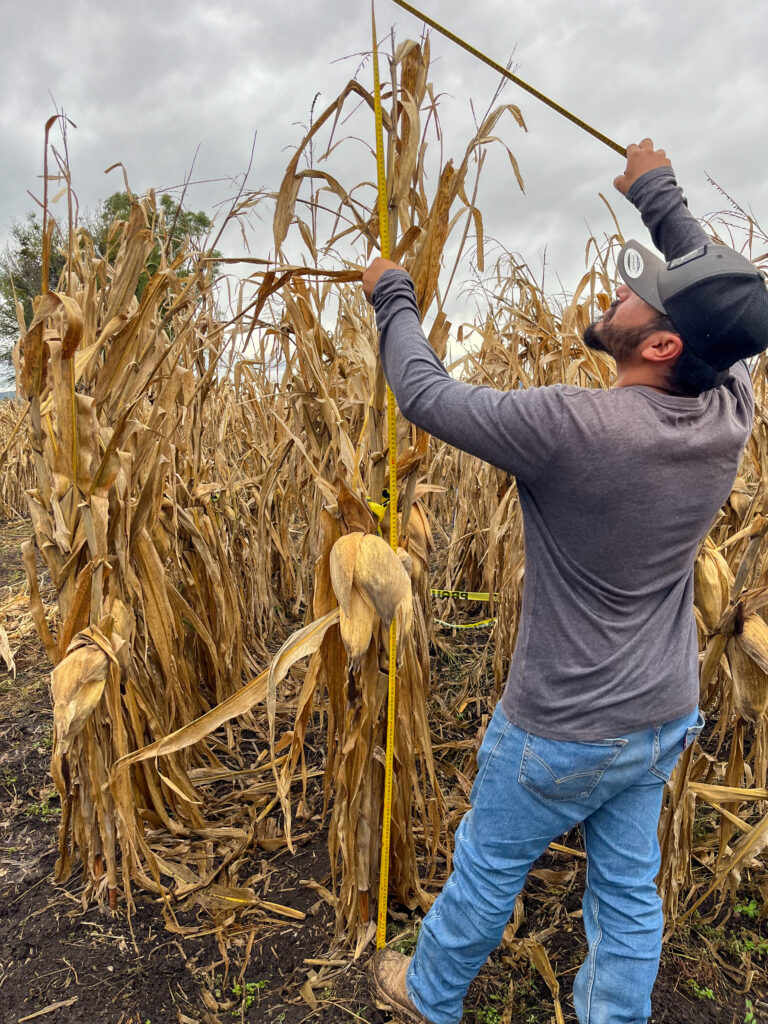
Participatory research ensures solutions are locally relevant and farmer-centered.
IBI disseminates educational resources, establishes industry standards, conducts hands-on training, and leads educational programs to enhance practices, attract investments, and foster regional collaboration. When teaching farmers, for example, how to close waste loops, IBI says that biochar can create value for them from underutilized biomass such as crop residues, food waste, or manure. This transforms what would otherwise be a problem into a resource that benefits farmers and the environment.
By translating rigorous academic research into field-ready tools, curricula, and standards, IBI says that its programs translate complex data into actionable knowledge for farmers, project developers, and policymakers.
Active in over 70 countries, with regional partnerships spanning Africa, Asia-Pacific, Europe, and the Americas, IBI is dedicated to scaling local innovations and unifying global efforts to construct sustainable, climate-smart food systems. According to IBI, their endeavors contribute directly to a thriving Food Planet by promoting the broad adoption of biochar: a unique circular, low-tech, and high-impact climate solution deeply rooted in agriculture.
Learn more about IBI.
Written by Gilly Smith
Photos provided by IBI
International Biochar Initiative
International Biochar Initiative advocates for biochar systems as a scalable, science-backed solution for sequestering carbon, enhancing soil health, and closing waste loops.
Launch year: 2006
Based in: USA, global