NetZeroNitrogen Ltd: The Startup Rethinking Fertilizer by Replacing Synthetic Nitrogen with Nature
In a world racing to feed 10 billion people by 2050, one often-overlooked player has quietly become a climate and pollution juggernaut: synthetic nitrogen fertilizer (SNF). Its production and use now contribute over a gigaton of CO₂e annually—that’s more than the entire global aviation industry. But a small, science-driven startup is betting big on a biological fix that could overhaul one of agriculture’s dirtiest habits.
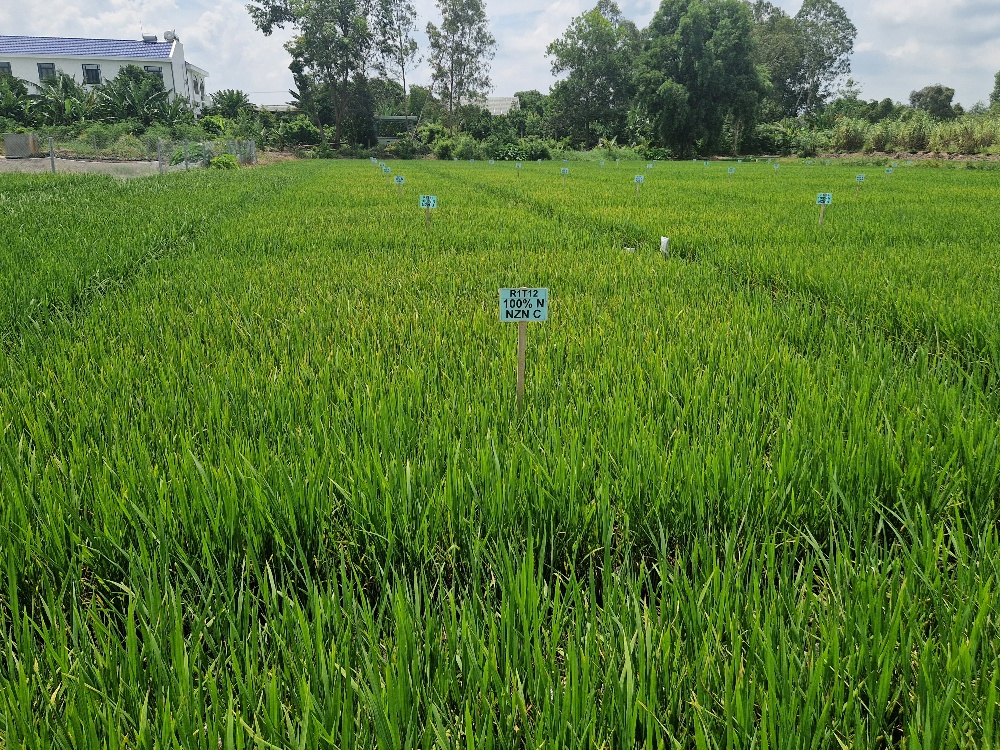
NetZeroNitrogen Ltd (NZN), a UK-based company founded in 2021, aims to replace synthetic nitrogen fertilizers with a biological alternative. Their innovation is based on a selected natural bacterium which lives inside plants and provides them with nitrogen by converting it from the air into a form the plant can use. This is similar to how legumes work with nitrogen-fixing bacteria in their roots—but NZN’s product can be applied to a wide range of crops, starting with rice, one of the world’s most popular foods.
NZN’s product is an endophyte, supplying nitrogen directly to the cells that need it. This targeted method is more efficient than traditional fertilizers, which are often spread across fields in large amounts and may not be fully absorbed by the plants. NZN describes this as the difference between a «sniper» and a «shotgun» approach.
In field trials, NZN’s product has shown strong results. According to the initiative, it has been demonstrated to boost yields and/or replace 25% or more of synthetic fertilizer. This means farmers can produce more food while spending less money on inputs. In Vietnam, where fertilizer can account for up to 40% of a farmer’s total costs, and many earn about $1000 a year, this could bring major financial relief. NZN estimates that farmers could save more than $50 per hectare per season in input costs and/or earn up to several hundred dollars more in revenue due to increased yields.
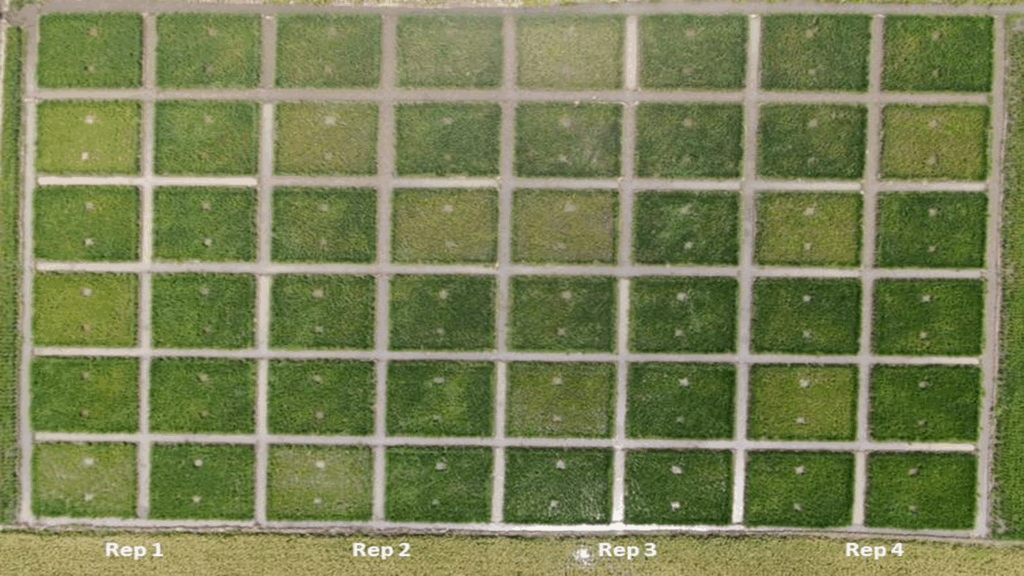
Beyond the financial benefits, the environmental impact is also significant. For every kilogram of synthetic fertilizer avoided, about 10.5 kilograms of CO₂e emissions can be prevented. According to the initiative, using less synthetic fertilizer also reduces water pollution, improves air quality, and helps soils recover by allowing natural microbial life to return. Unlike other microbial products that must compete with existing soil bacteria, NZN’s bacteria live inside the plant and are protected from harsh environmental conditions, making them more reliable and effective.
NZN’s long-term plan is to expand beyond rice into other major crops like maize and wheat. The company has modelled that by 2050, its technology could be used on nearly 7% of the world’s arable land, cutting global agricultural emissions by more than 34 million tonnes of CO₂e each year. As NZN hopes to show us, feeding people doesn’t have to result in frying the planet.
Learn more about NetZeroNitrogen.
Written by Sarah Souli
Photos provided by NetZeroNitrogen.
NetZeroNitrogen
NetZeroNitrogen has developed a biological alternative to synthetic fertilizers, where bacteria fix atmospheric nitrogen inside of plant cells.
Launch year: 2021
Based in: UK, Thailand, Vietnam, Philippines