NoPalm Ingredients: Innovative Approach to Transform Global Fat and Oil Production
Food industry side streams could revolutionize the fat and oil industry with a sustainable and scalable alternative to traditional palm oil and tropical fats. The initiative claims that NoPalm Ingredients has pioneered a new, parallel fats and oils industry that is land-free, carbon-smart, and rooted in circularity.
Fats and oils make up a large but often overlooked environmental challenge within the global food and beauty industries. Palm oil, while known for its cost-effectiveness and versatility, is a major driver of environmental degradation. It is prevalent in approximately 60% of fast-moving consumer goods, including food, personal care, and pet food. The production of palm oil is responsible for significant tropical deforestation, biodiversity loss, and 1.5% of the world’s CO₂ emissions.
The growing demand for palm oil, which increases by 4% annually, is projected to grow by an additional 22 million tons by 2030. This surge would necessitate land expansion equivalent to 1.5 times the size of Ireland.
Land conversion for palm oil has already devastated rainforests in Indonesia, Malaysia, and increasingly in West Africa and South America, undermining the systems we rely on for clean air, stable weather, and healthy soil. Meanwhile, the food industry generates massive quantities of waste, much of it made up of side streams; by-products from processing sugar, dairy, starch, and other raw materials rich in carbon sources, which the initiative says are ideal for microbial fermentation.
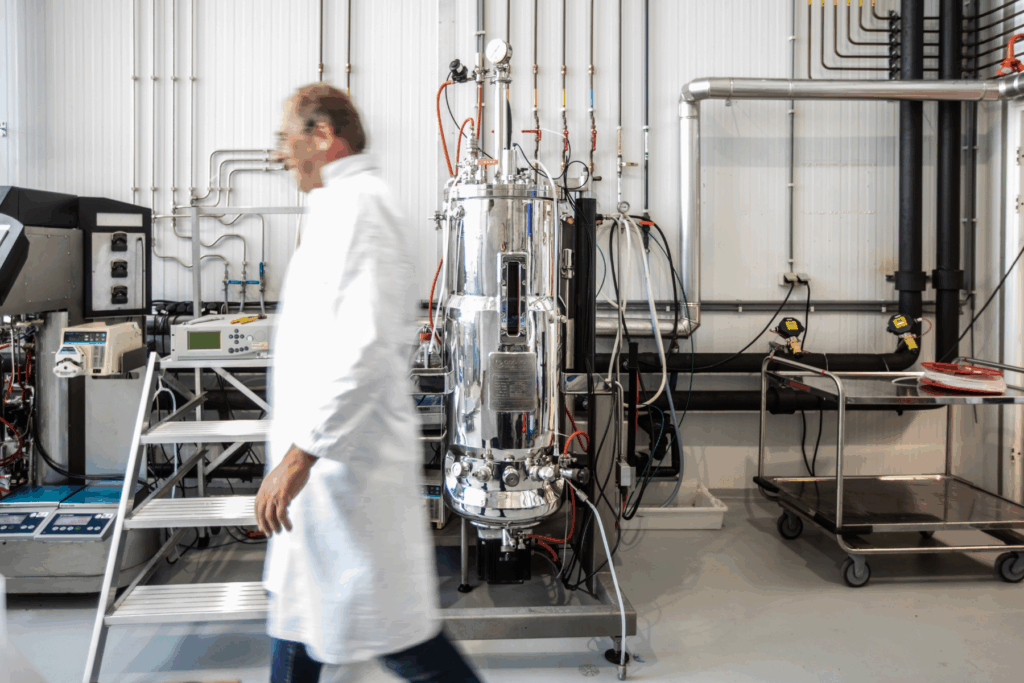
NoPalm Ingredients claims to offer a ground-breaking solution through its fermentation platform. Utilizing yeast and side streams from the food industry, such as potatoes and dairy by-products, the company produces fermentation-based oils and fats. These are grown in large fermentation tanks in a process akin to beer brewing, where yeast converts these undervalued by-products into high-performance fats resembling the structure and function of palm oil and other tropical fats like shea and coconut.
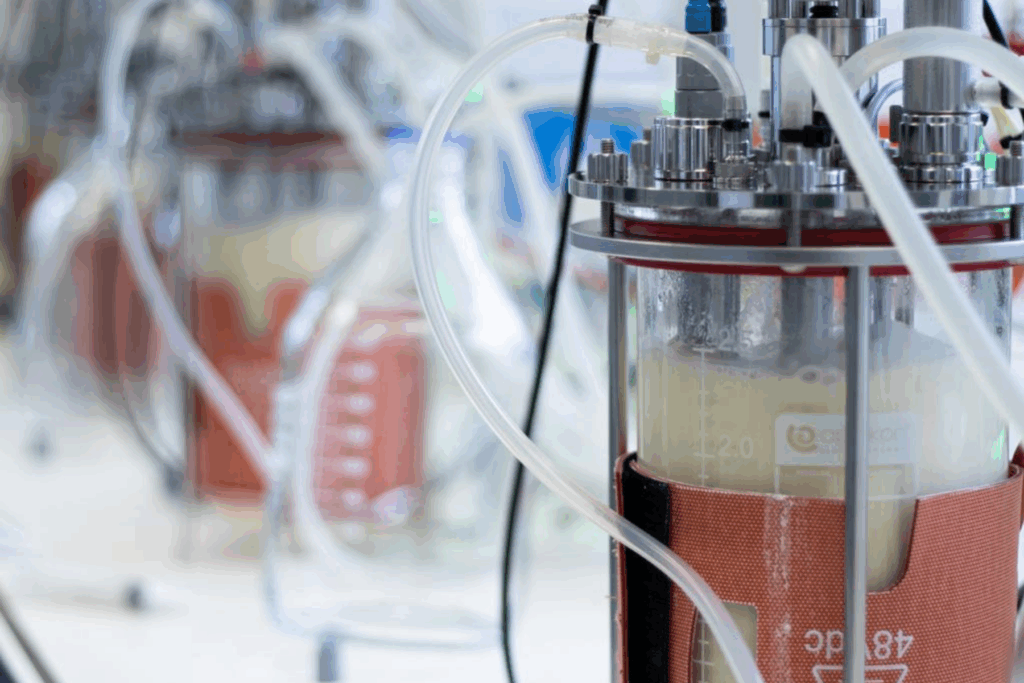
Because production methods do not rely on agricultural land or tropical crops, NoPalm Ingredients argues that its products are made from decoupling fat production from land use, deforestation, and seasonal volatility, offering a radically more sustainable path forward.
By using side streams as feedstock, NoPalm Ingredients upcycles undervalued by-products and claims to eliminate emissions from their disposal. This delivers a double environmental benefit: preventing the release of methane and CO₂ from waste degradation and replacing one of the most emission- and land-intensive commodities in the global food system.
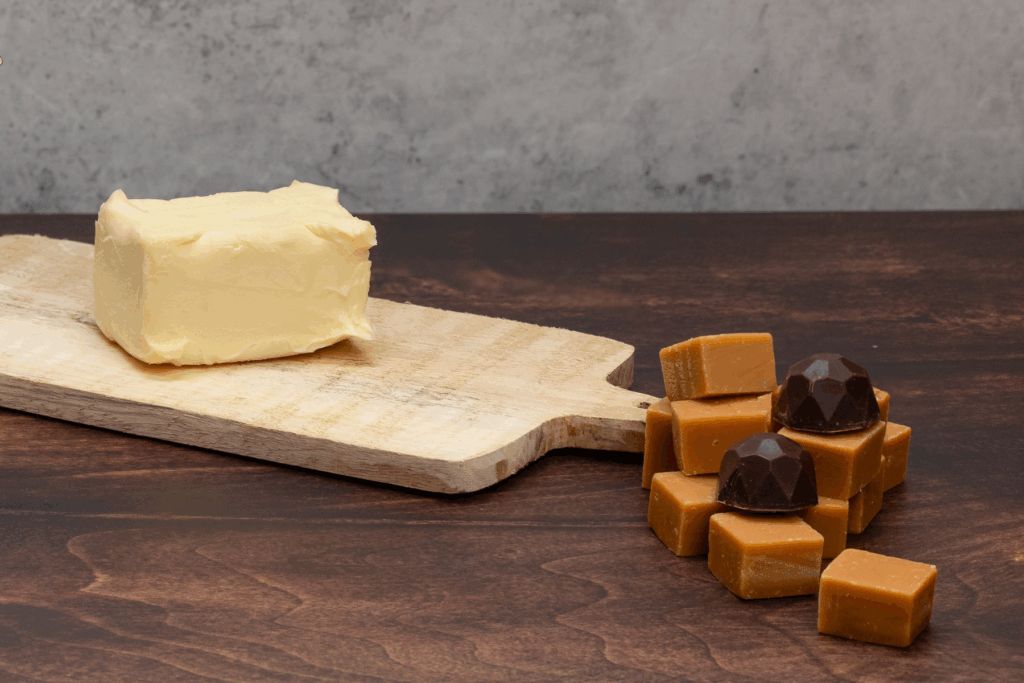
The company claims that its products are non-GMO and can replace traditional fats in existing food products without the need for reformulation or process alterations. This capability, the initiative says, is crucial for encouraging widespread industry adoption on a global scale.
Learn more about NoPalm Ingredients.
Written by Gilly Smith
Photos provided by NoPalm Ingredients
NoPalm Ingredients
NoPalm Ingredients uses fermentation to transform yeast and food industry side streams into sustainable fats and oils.
Launch year: 2021
Based in: the Netherlands