Offshore Shellfish Ltd: Restoring Oceans While Feeding the Future
When it comes to climate-resilient food, few options are as overlooked—or as powerful—as mussels. Offshore Shellfish Ltd (OSL) is proving that sustainable protein doesn’t have to come at the planet’s expense. Based in Devon, UK, and founded in 2013 by veteran mussel farmer John Holmyard, OSL was built on decades of hands-on experience in marine aquaculture. Before launching the company, Holmyard spent 25 years farming mussels in Scotland. He then undertook a rigorous search of the British coastline, studying seabed maps, currents, and nutrient levels to identify the ideal location for large-scale, offshore mussel farming. That search led to a 15 km² site off the coast of South Devon—remote, high-energy waters well suited to a new kind of aquaculture that could deliver both ecological and commercial results.
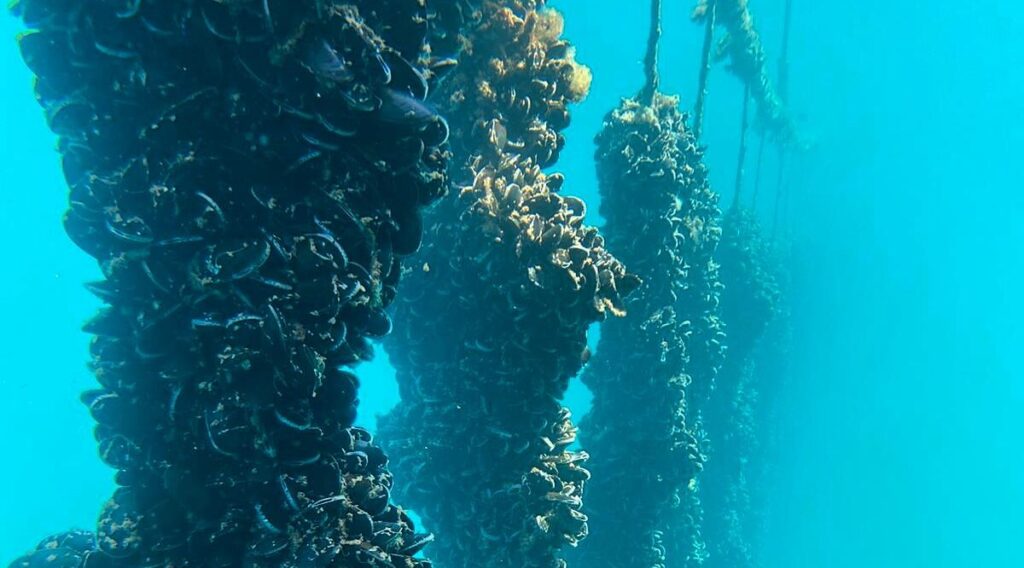
OSL now operates what it describes as Europe’s largest and most advanced open-ocean mussel farm. Unlike traditional shellfish farms, which are often confined to sheltered coastal areas, OSL’s operation is fully offshore. This helps avoid the environmental pressures and user conflicts common in inshore waters while enabling a much larger production footprint. The initiative aims to produce low-impact, climate-positive protein at scale, while actively regenerating the marine environment.
They’re often served steamed with white wine or breaded and grilled, but mussels are more than a delicacy—they’re among the most sustainable animal proteins available. Unlike beef or chicken, they require no feed, land, freshwater, or chemicals. As filter feeders, they clean the water around them, removing excess nutrients and locking carbon in their shells. According to a life cycle assessment by Bangor University, OSL’s mussels have a carbon footprint of just 0.29 kg of CO₂ per kilo of live weight, lower than even tofu.
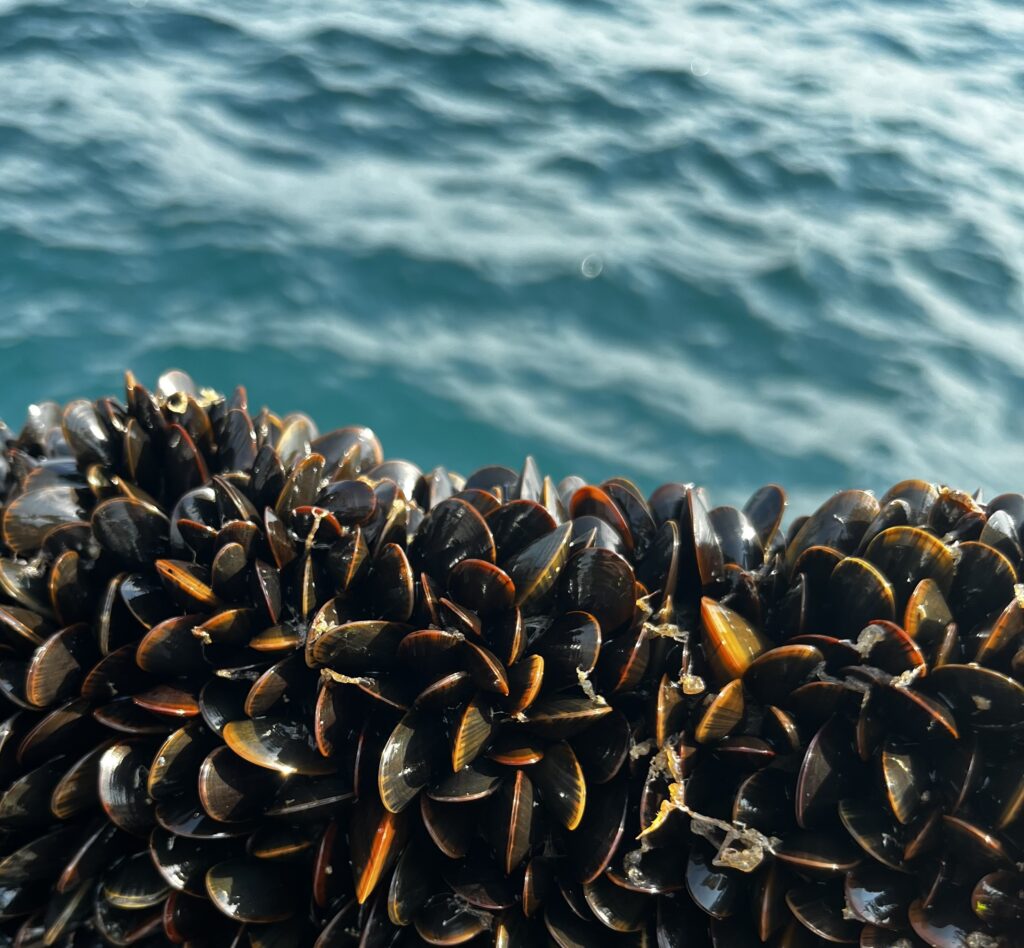
But OSL’s value goes beyond carbon. Over 13 years of peer-reviewed research has documented how its farm has transformed a degraded seabed into a thriving biogenic reef. According to the initiative, fish abundance has increased by 33% and species diversity by 50%. Mussel lines create underwater structures that stabilize sediments, provide habitat, and exclude destructive activities like bottom trawling. The farm now functions as an unofficial marine protected area, helping restore biodiversity and build ocean resilience.
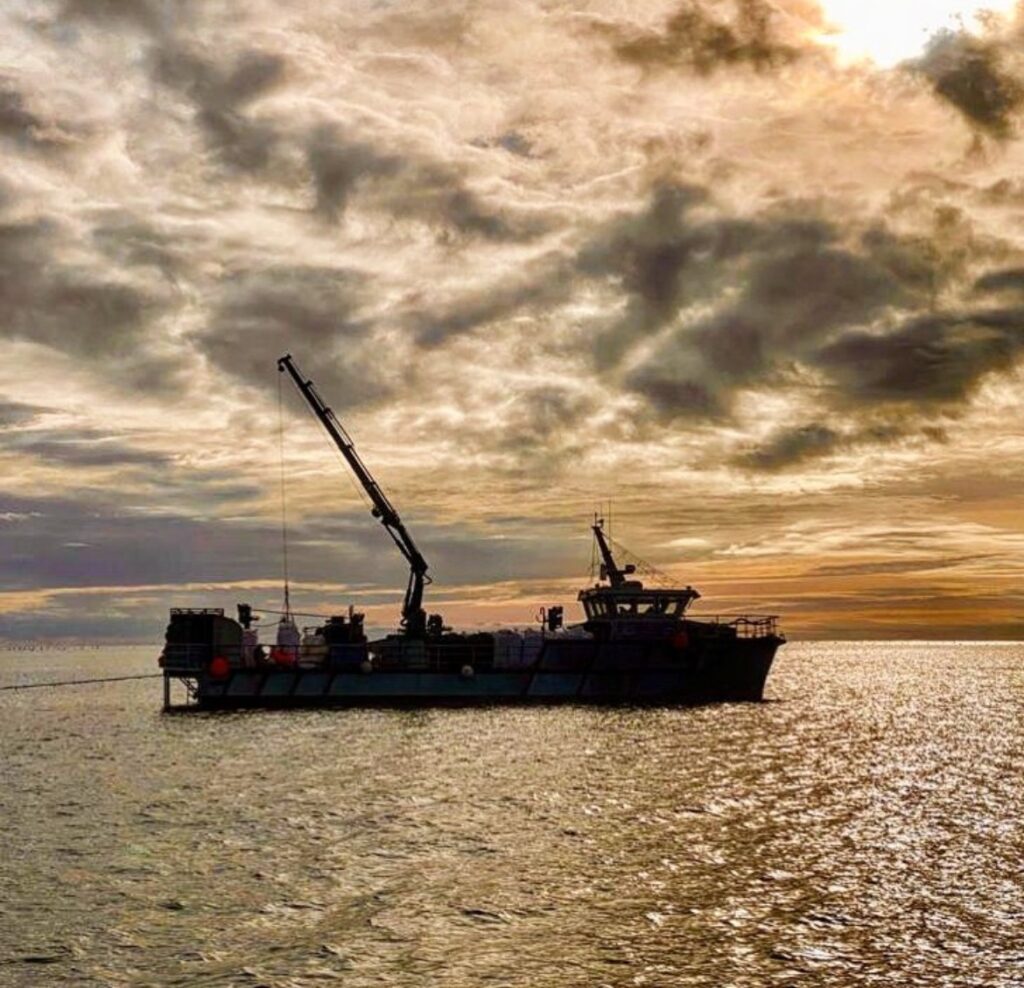
According to the initiative, what makes them unique is their ability to combine industrial-scale food production with measurable ecosystem regeneration. To operate successfully in exposed offshore waters, the company developed custom vessels, mooring systems, and handling equipment. This engineering expertise enables year-round operations in challenging conditions and opens the door to replicating the model in other suitable offshore locations. Currently producing 3,000 tons of mussels annually, OSL plans to expand to 7,500 tons within five years and eventually to 20,000 tons. According to OSL, this would significantly increase the climate and biodiversity benefits of the farm while displacing more carbon-intensive protein sources in European markets.
OSL also delivers economic and social benefits. Offshore farming supports skilled, year-round employment and provides a regenerative pathway for fishing communities. By reducing dependence on imports and improving local food resilience, OSL says it is helping to build a more sustainable and secure seafood system. The future of food lies not just in sustainability, but in regeneration. With mussels, it is demonstrating that the ocean can feed us—while healing itself.
Learn more about Offshore Shellfish.
Written by Sarah Souli
Photos provided by the Offshore Shellfish Ltd.
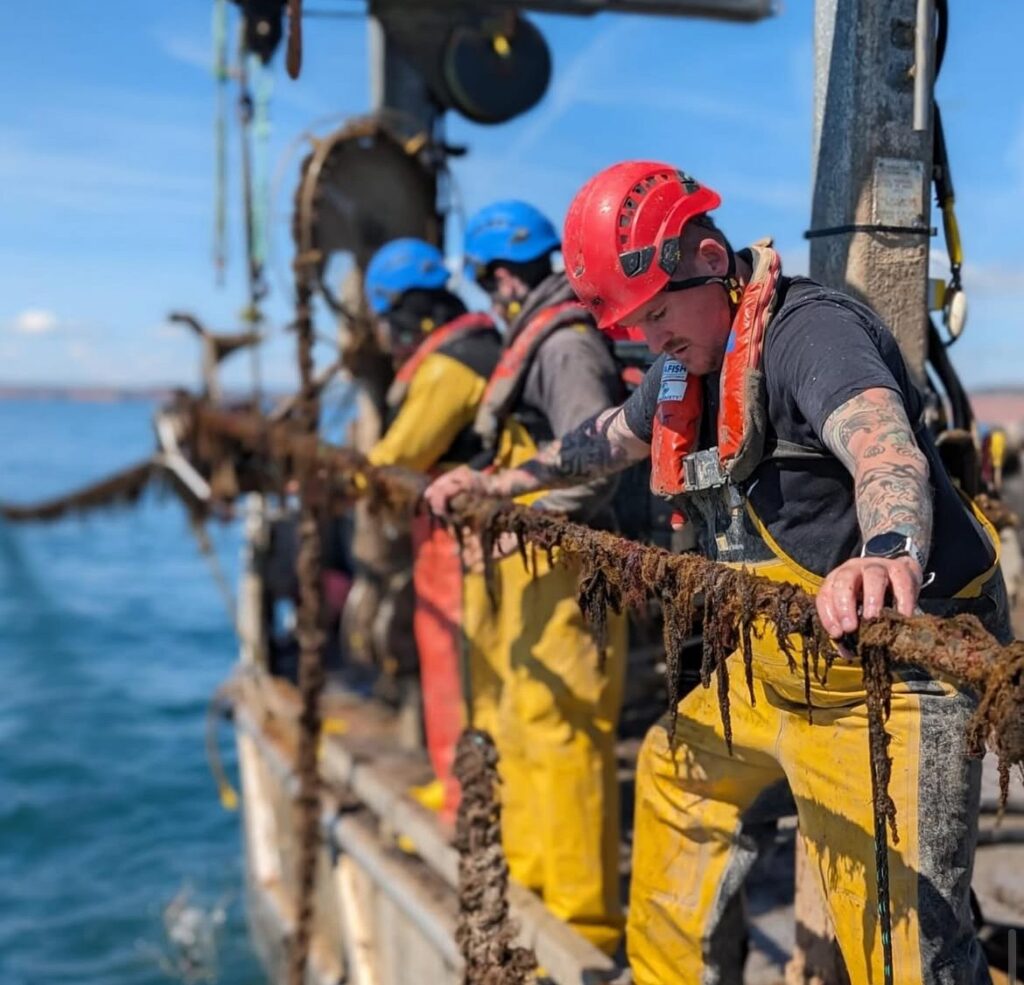
Offshore Shellfish
Offshore Shellfish pioneers large-scale offshore mussel farming that actively restores marine ecosystems.
Launch year: 2013
Based in: UK