Pescando Transformaciones: Reimagining Uruguay’s Small-Scale Fisheries
In Uruguay, where meat dominates both the plate and the food system, small-scale fisheries (SSF) are often overlooked. But a growing movement is challenging that norm—led not by profit or industry, but by fishers, researchers, chefs, and communities working together to build a more just, sustainable food future.
Launched in 2021, Pescando Transformaciones is a transdisciplinary initiative that brings together grassroots actors across Uruguay’s SSF sector to drive collective action. The project grew out of early conversations between researchers and SSF stakeholders that quickly revealed untapped potential in a network of local initiatives already working to transform the food system from within. Rather than create new programs from scratch, the project focused on connecting these existing efforts, elevating their voices, and helping them coalesce into a national platform for change.
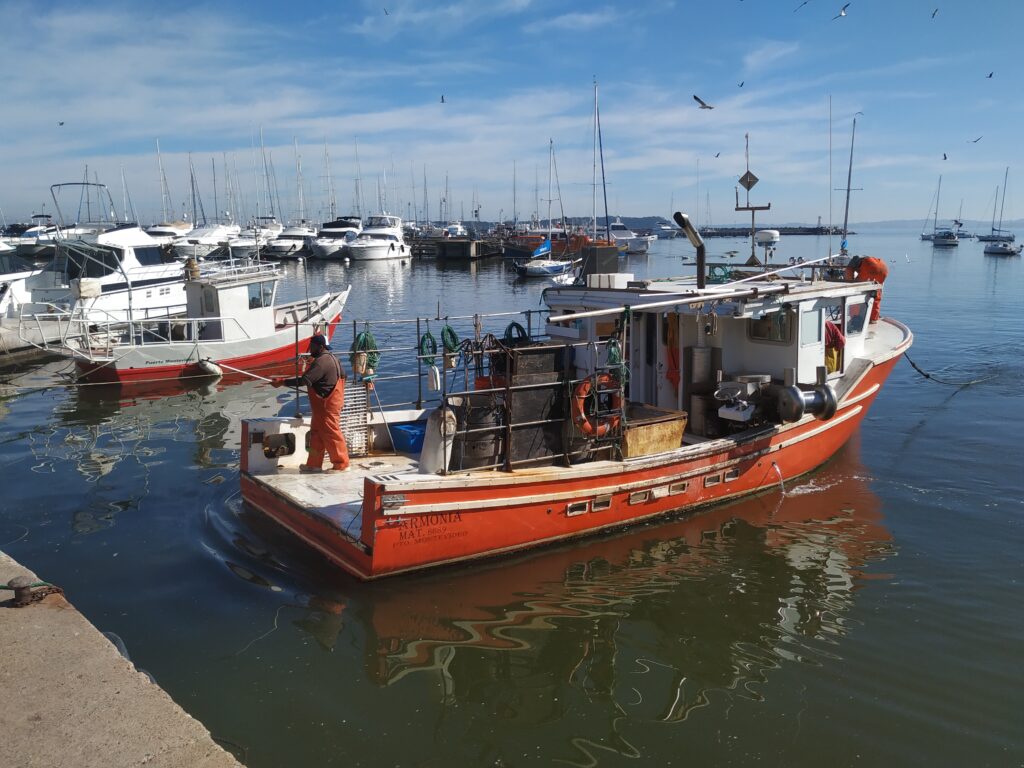
Uruguay’s SSF operate within a deeply unequal landscape. Industrial (large-scale) fisheries receive political and economic priority, while SSF (often informal and under-resourced) face marginalization. Fish consumption remains low due to cultural preferences, high prices, and poor inland access. But SSF, the only major food sector still rooted in wild and local ecosystems, holds untapped promise for nutrition, sustainability, and community resilience, if given the space to thrive.
Pescando Transformaciones helps carve out that space. It supports a diverse set of local actors, from coastal and freshwater fishers to gastronomes, entrepreneurs, artists, designers, and researchers, who are shaping alternatives to the dominant system. These range from composting fish waste into fertilizer to preserving traditional recipes and improving cold chain logistics. Together, these efforts form a community of practice grounded in shared values and a collective vision: to create a fair, healthy, and ecologically sound food system centered on SSF.
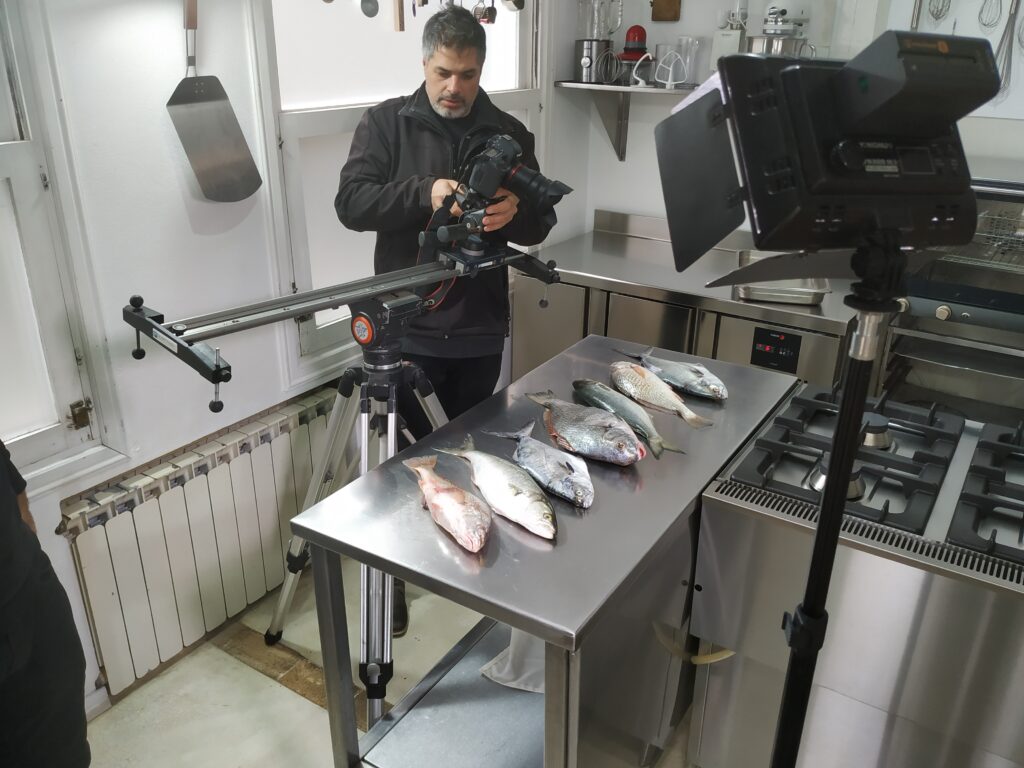
The initiative operates at a national scale while deeply respecting local context, integrating both inland and coastal fisheries into its vision. And it uses systems thinking to identify leverage points for impact, from institutional procurement to community-run markets. Pescando Transformaciones blends science with storytelling, and advocacy with co-creation. None of those participating are formally employed by the initiative—this is a volunteer-led, non-commercial effort that spans disciplines, geographies, and knowledge systems. A short documentary about the project has helped reach broader audiences, while a co-created cookbook, Pescando Recetas, recently won a national award for reinventing food traditions and promoting healthier diets.
The goal isn’t simply to sell more fish. It’s to fish less, sell better—raising value while lowering pressure on ecosystems. By improving quality, traceability, and waste management, the initiative strengthens SSF’s role in sustainable diets and rural economies. It also promotes health—both public and ecological—by encouraging a shift from red meat toward locally sourced, low-impact blue foods.

If transformation is possible in Uruguay, one of the most meat-dependent nations in the world, it can happen anywhere. Pescando Transformaciones offers a hopeful, grounded blueprint for how small-scale fisheries can nourish both people and the planet.
Learn more about Pescando Transformaciones.
Written by Sarah Souli
Photos provided by Pescando Transformaciones
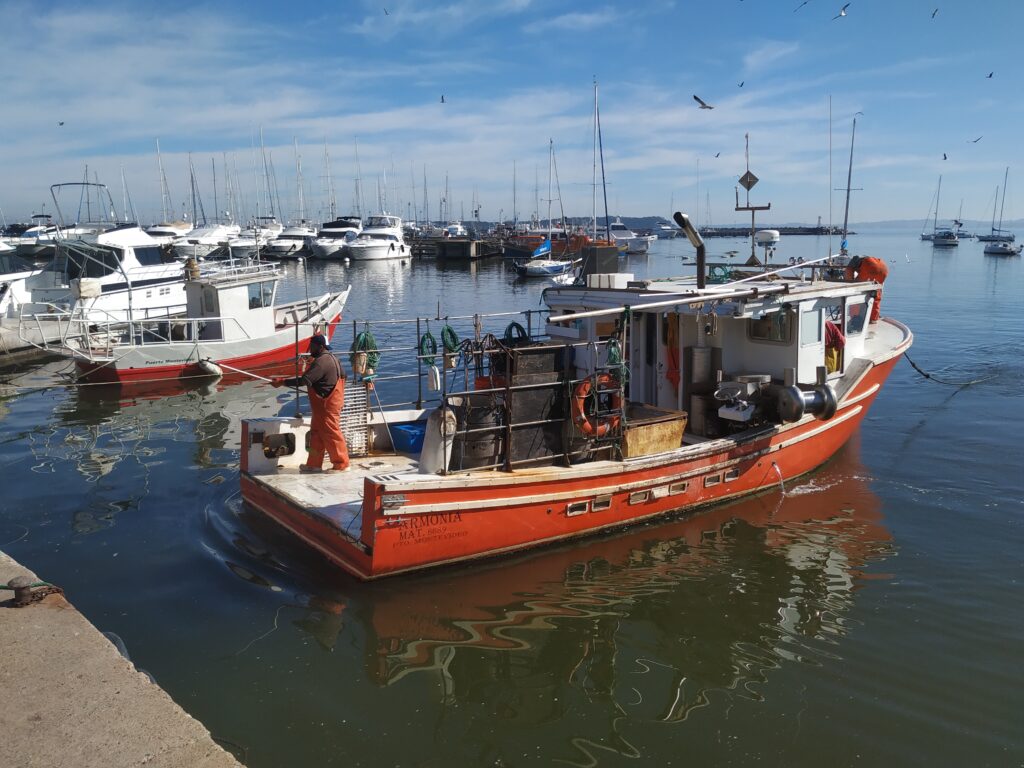
Pescando Transformaciones
Pescando Transformaciones is a transdisciplinary initiative that facilitates collaboration amongst those working with small-scale fisheries.
Launch year: 2021
Based in: Uruguay