Ruuts: Restoring Latin America’s Grazing Lands by Turning Livestock into a Climate Solution
Across Latin America’s sprawling grasslands, forests, and savannas, a new approach to livestock is gaining momentum—one that reimagines cattle not as a cause of environmental degradation, but as a tool for restoring ecosystems, storing carbon, and revitalizing rural livelihoods. Operating across Argentina, Brazil, Paraguay, and beyond, Ruuts is rapidly building Latin America’s largest network of regenerative livestock producers. The initiative’s vision is bold: to regenerate at least 5 million hectares of grazing land by 2035, restore critical ecosystems, sequester millions of tons of CO₂, and ensure that rural communities not only survive but thrive amid mounting climate and market pressures.
At the heart of Ruuts’ model is a multi-lever, systems-based approach that goes beyond training or certification. It integrates five interconnected components: hands-on technical support through regional «territorial nodes,» robust data and monitoring systems, direct ecosystem service finance, practical capacity building via the Regeneration School, and market development that links producers to premium supply chains and impact-driven investors. This structure enables the initiative to operate simultaneously at the grassroots and systems levels, thus scaling local solutions while aligning with global sustainability goals.
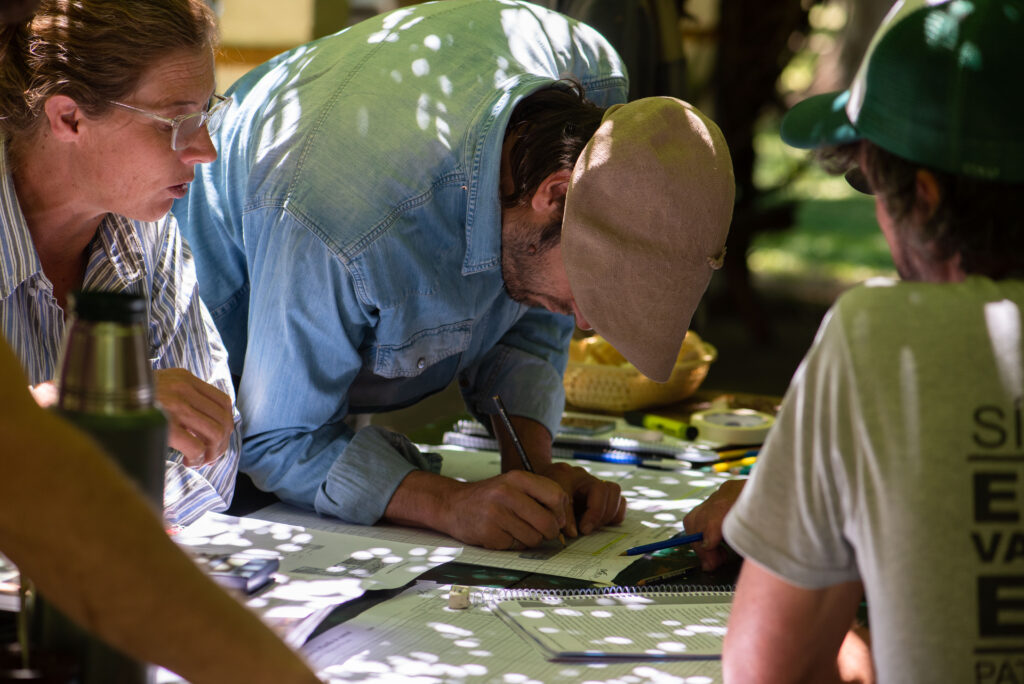
Ruuts builds on over two decades of field-proven experience from Ovis 21, a B-Corp company founded in Patagonia, with a unique strength in working directly with producers. Their model centers farmers’ agency (programs are co-designed), ensuring practices are ecologically effective and economically viable. According to the initiative, to date, over 400 producers managing more than 1.3 million hectares have adopted regenerative practices through Ruuts programs. The results are tangible: increased soil organic carbon, improved water infiltration, reduced erosion, and measurable biodiversity gains—all while enhancing productivity and reducing input costs.
Crucially, Ruuts connects these on-the-ground outcomes to climate and biodiversity finance. Through verified carbon programs using VERRA methodologies, the initiative states that over 400,000 hectares are under signed contracts that generate real, traceable income for producers through carbon credits and ecosystem service payments. This financial model offers long-term incentives that align livelihoods with land stewardship.
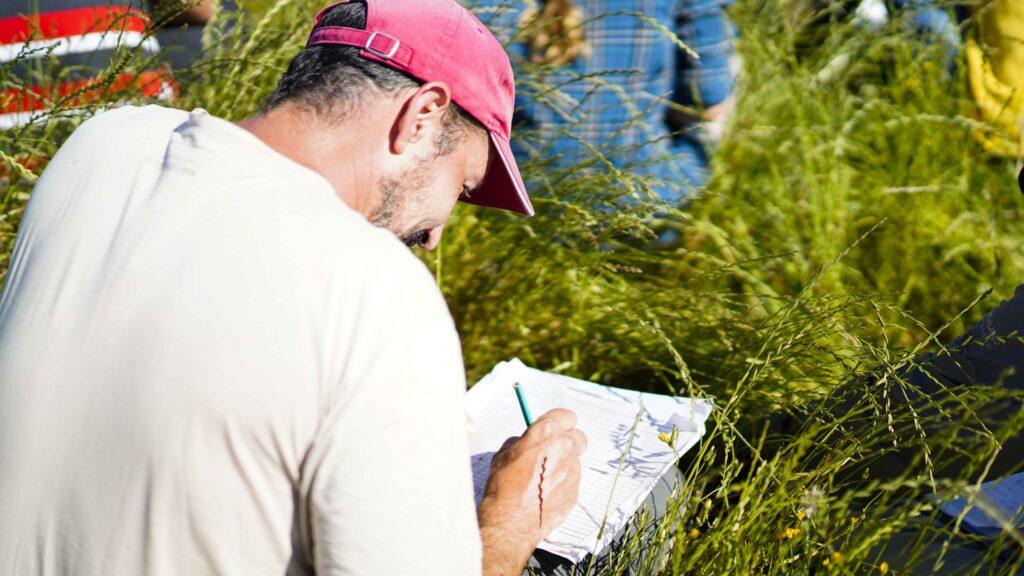
Ruuts also invests heavily in knowledge transfer. It claims that its Regeneration School has trained over 1,500 producers, technicians, and rural youth in holistic management, equipping the next generation with the tools to lead this transformation. The initiative is now expanding into dryland and forest-edge ecosystems with plans to launch new regional nodes and deploy digital tools that enable real-time monitoring, adaptive grazing plans, and financial analysis.
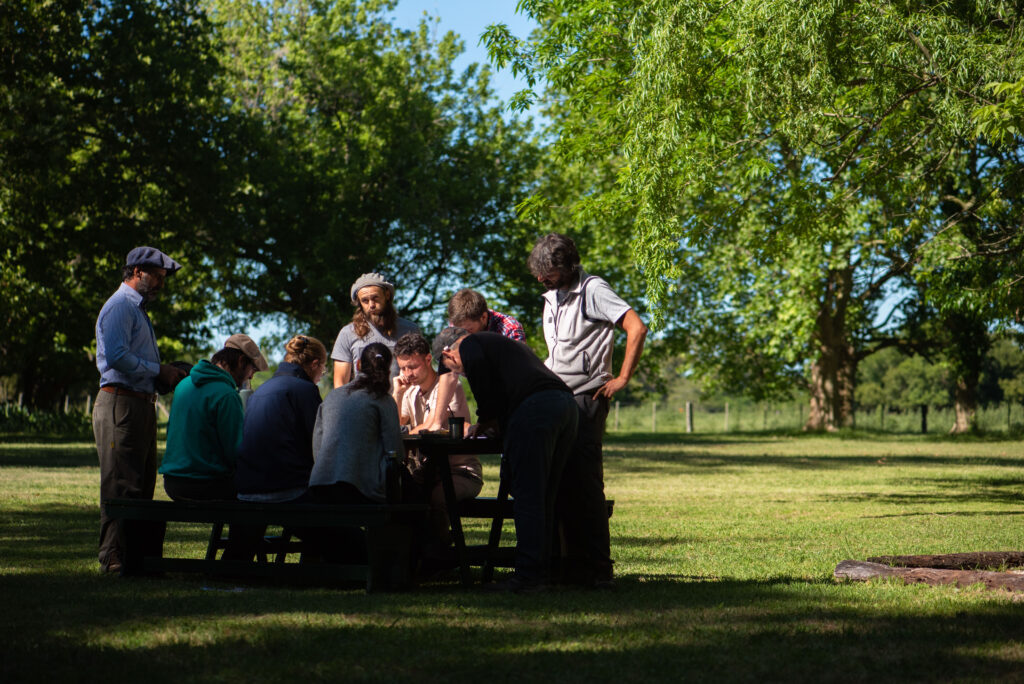
In a sector often framed as a problem, Ruuts offers a compelling counter-narrative: that livestock, when managed regeneratively, can heal land, store carbon, and build resilient food systems. By restoring just 10% of Latin America’s grazing lands, Ruuts estimates the potential to sequester hundreds of millions of tons of CO₂, create biodiversity corridors at a continental scale, and enhance food sovereignty for millions.
Learn more about Ruuts.
Written by Sarah Souli
Photos provided by Ruuts
Ruuts
Ruuts scales regenerative ranching and land management practices across Latin America.
Launch year: 2023
Based in: USA, Argentina, Brazil, Chile, Paraguay