Sanitation360: Closing the Nutrient Loop, One Flush at a Time
What if a single bathroom break could help grow our next meal, reduce climate emissions, and clean up our waterways? Sanitation360, a Swedish startup launched in 2019, is turning this idea into reality with a circular sanitation system that transforms human urine into safe, climate-positive fertilizer. By capturing and recycling the nitrogen and phosphorus in urine, the initiative is tackling some of the most pressing challenges in modern agriculture—nutrient pollution, fertilizer dependence, and unsustainable wastewater treatment.
Globally, the production and use of synthetic fertilizers is one of the largest sources of greenhouse gas emissions in agriculture. It also depends on finite resources and contributes to the degradation of ecosystems through nutrient runoff. Sanitation360 captures nutrients before they become pollutants and returns them to the soil in a usable, hygienic form. Historically, civilizations from ancient China to 19th-century Paris recycled urine for farming. Sanitation360 revives this practice using modern science and design.
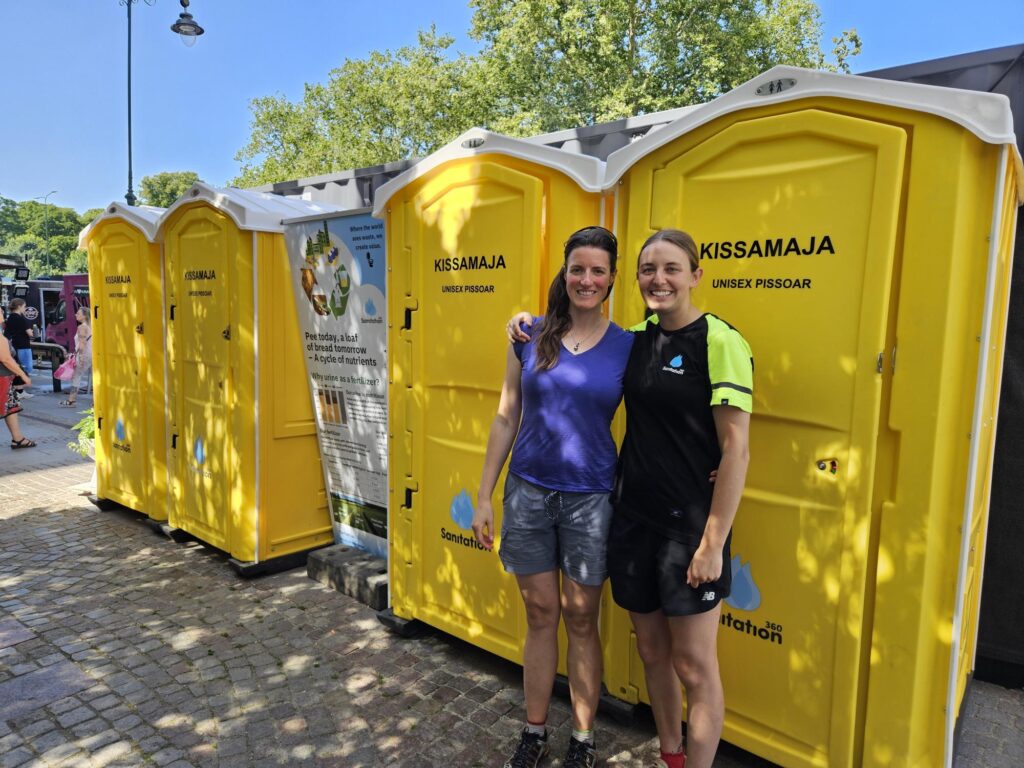
At the heart of their innovation is the Kissamaja®, a unisex dry urinal designed for speed, hygiene, and inclusivity. Installed at major festivals, sports arenas, and public events across Sweden, these toilets collect urine at source, before it’s diluted or contaminated in wastewater systems. The urine is then stabilized, dried, and processed into Granurin, a granular fertilizer that can be used directly on farms with conventional equipment.

According to the initiative, this approach captures around 80% of the nitrogen and 50% of the phosphorus in domestic wastewater. In doing so, it prevents these nutrients from entering rivers and oceans, where they can cause eutrophication and dead zones. It also significantly reduces pressure on aging wastewater infrastructure. A 2025 life-cycle assessment showed that diverting urine can reduce wastewater-treatment-plant pollution, lowering contributions to marine eutrophication by over 50%, acidification by 45%, and global warming potential by 20%.
Sanitation360 has demonstrated its model at scale, collecting over 50,000 liters of urine from public events and working with farmers to grow barley fertilized with Granurin. In one EU-funded project, this barley was brewed into beer, a tangible example of circular economy in action. The company is also piloting permanent installations in buildings and exploring export opportunities in countries such as South Africa and Guatemala.
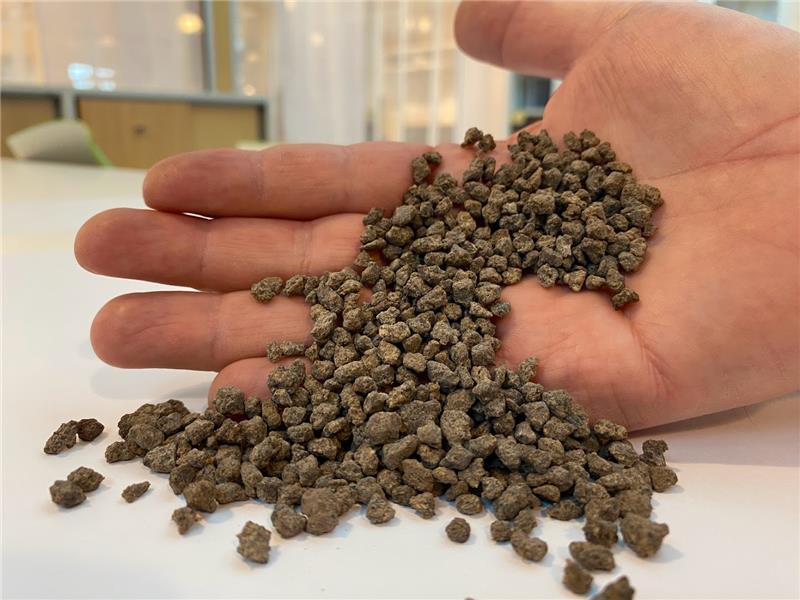
The initiative’s ambitions are equally bold. By 2035, it aims to equip over 200 arenas across Europe with its urine collection systems, establish Kissamaja® as a standard in mobile sanitation, and secure EU regulations that support nutrient recycling in new buildings. It is also developing a new food label, LEIF (Low Environmental Impact Fertilizer), to certify products grown with circular fertilizers and encourage market adoption.
Sanitation360 sees its work as essential to staying within planetary boundaries. Each person produces enough nutrients daily to grow the grain for a loaf of bread, yet most of the nutrients in urine get flushed away and end up polluting waterways instead of growing food. By turning that waste into a local, renewable fertilizer, Sanitation360 is not just closing the nutrient loop. It’s building a more resilient, climate-smart food system from the ground—and the bathroom—up.
Learn more about Sanitation360.
Written by Sarah Souli
Photos provided by Sanitation360
Sanitation 360
Sanitation 360 transforms human urine into a granular fertilizer, with their modular, portable urinal design.
Launch year: 2019
Based in: Sweden, and testing in South Africa, Namibia, and Guatemala