The Savanna Institute: Scaling Agroforestry to Transform the U.S. Midwest and Beyond
Amid a global reckoning over how food systems drive climate change and ecological decline, the Savanna Institute is advancing a bold, evidence-based solution: bringing trees back to farms. Since 2013, this nature-based non-profit has been pioneering agroforestry in the United States’ Midwest, a region both emblematic of industrial agriculture’s challenges and ripe with opportunity for transformation.
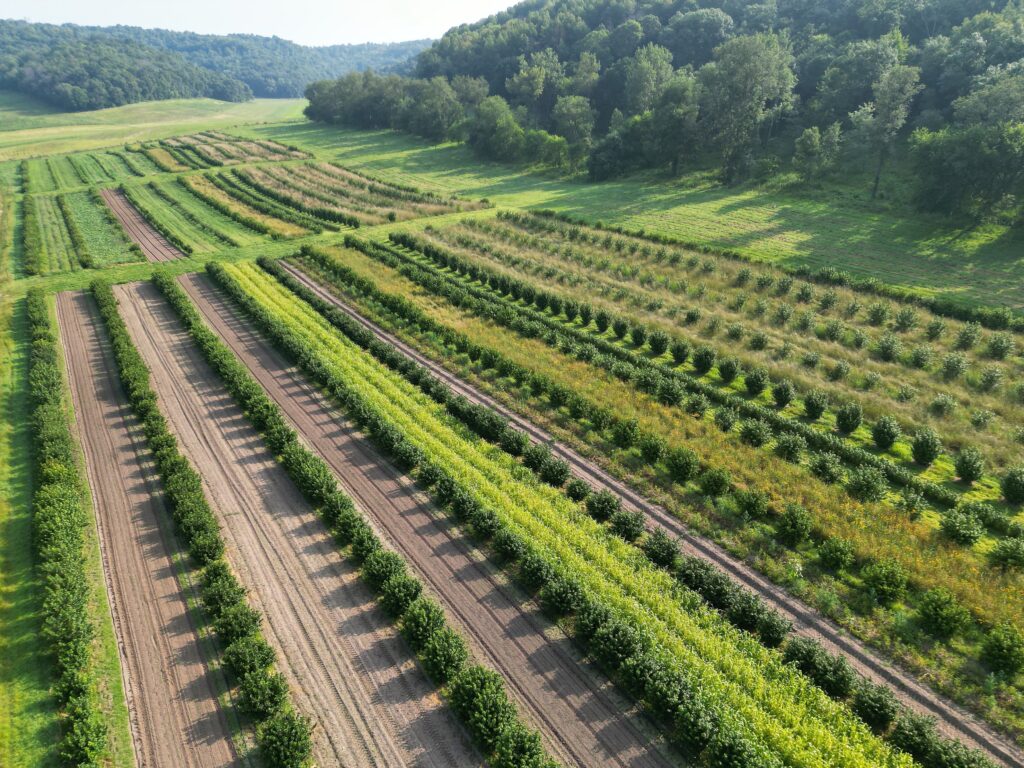
Agroforestry integrates trees with crops and livestock in systems that deliver a suite of climate, ecological, and social benefits, such as sequestering carbon at rates 5-10 times higher than conventional conservation agriculture, reducing nutrient runoff, building flood resilience, diversifying farm income, and improving biodiversity. According to the Savanna Institute, with over 5,200 acres transitioned and 400 farmers directly supported, they have become a national leader in scaling this holistic, systems-level approach.
The Midwest is one of the world’s seven agricultural breadbaskets, and also one of its most simplified landscapes. Savanna Institute sees this as both a challenge and a historic opportunity. Their approach rests on a three-phase strategy: de-risk agroforestry through demonstration farms and technical assistance, scale implementation by supporting early adopters and building markets, and expand possibilities through culture change and policy.
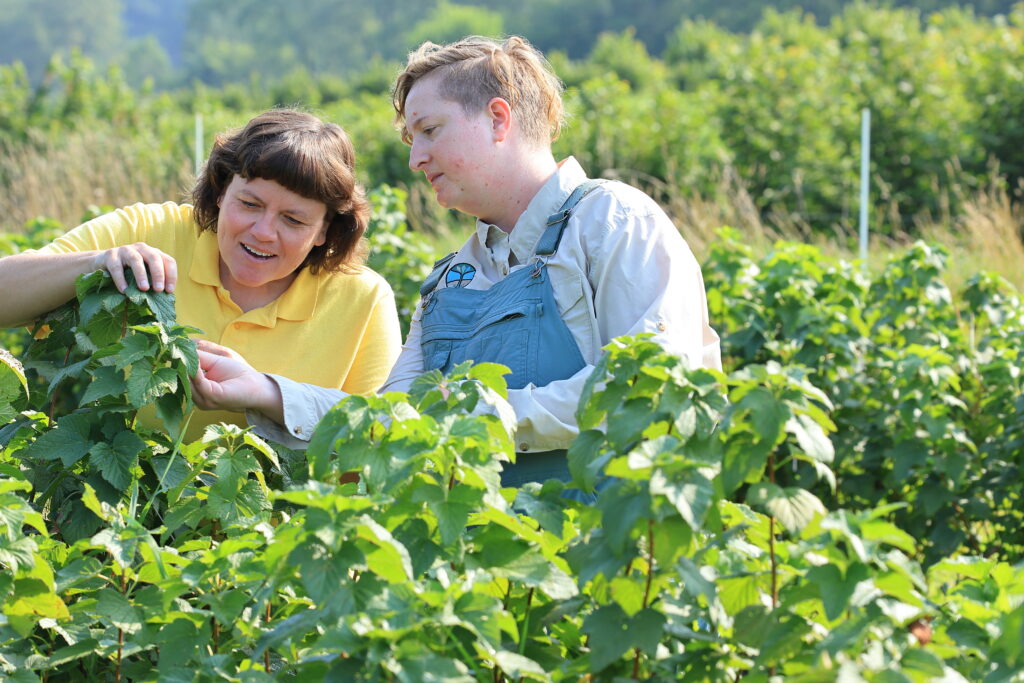
According to the initiative, what makes them distinct is their integration of cutting-edge science, deep practical experience, and systemic thinking. Their research team leads breakthroughs in perennial crop development—such as sequencing the American hazelnut genome and deploying drone-based yield analysis—bringing tree crops into the 21st century. Their technical assistance network now supports over 100 new farms annually, with demand far outpacing capacity.
The Institute has also created critical infrastructure: seven demonstration farms and a network of partner farms across eight states host over 1,200 visitors per year, offering tangible proof that tree-based systems can succeed at commercial scale. In partnership with landowners and philanthropic investors, they launched Canopy Farm Management, a business that offer implementation services and finance tree crops, further breaking down barriers to adoption.
Agroforestry isn’t just climate-smart agriculture, it’s people-smart too. These systems offer diversified revenue, reduce pesticide use, improve water and air quality, and reconnect farmers with long-term land stewardship. The Institute says it supports intergenerational land planning, strengthens rural economies through skilled labor and value-added processing, and offers culturally resonant practices rooted in Indigenous ecological knowledge.
Looking ahead, Savanna Institute aims to help scale agroforestry adoption to 39 million acres in the U.S. by 2050, as outlined by the IPCC. Their plan is grounded in theory, tested by practice, and adaptable globally. Already, their farmer-led model is being replicated in other U.S. regions and shared internationally through networks like the Agroforestry Coalition and International Union for Agroforestry.
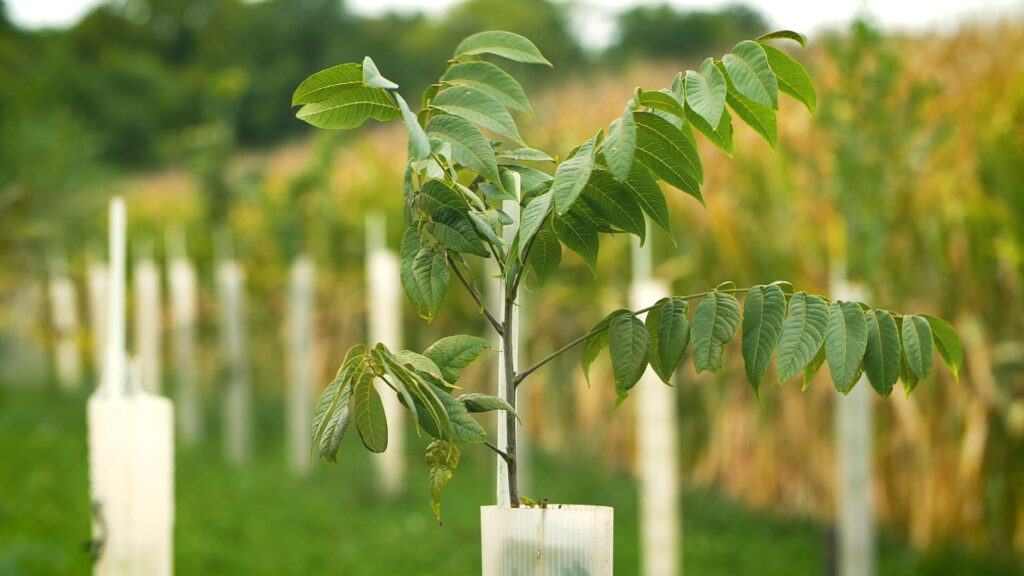
Savanna Institute is positioned to make multifunctional agriculture the norm, not the exception, starting in America’s heartland and spreading outward. As climate pressures escalate, their work offers a compelling roadmap for food system transformation rooted in resilience, regeneration, and trees.
Learn more about the Savanna Institute.
Written by Sarah Souli
Photos provided by the Savanna Institute
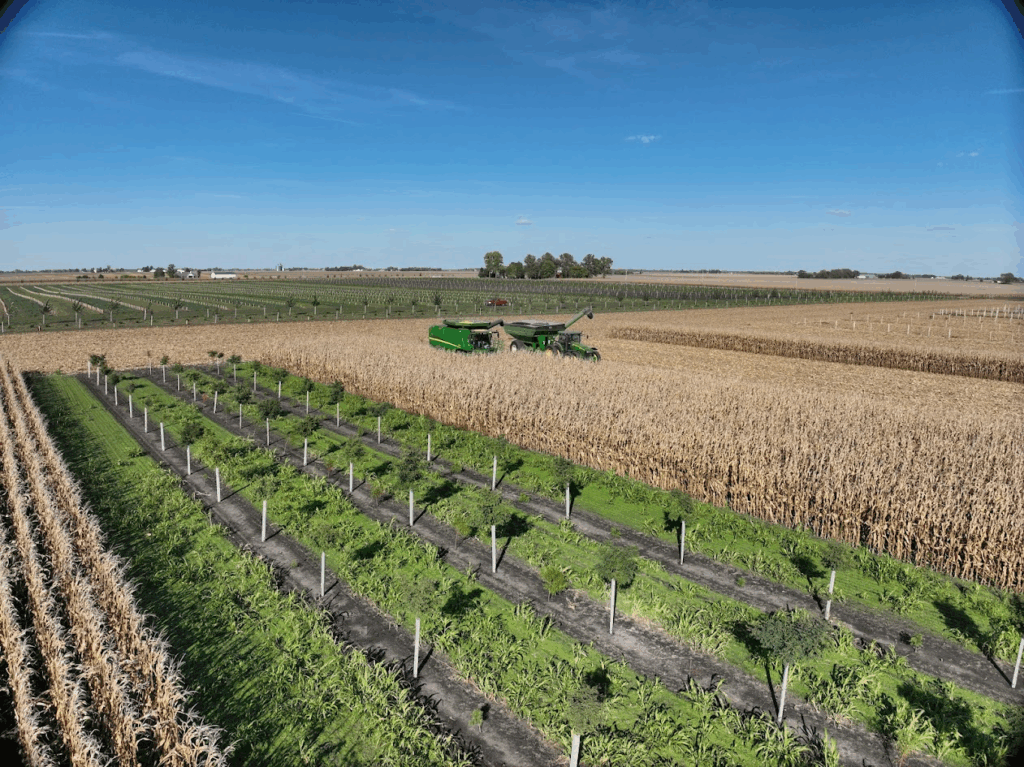
The Savanna Institute
The Savanna Institute is an agroforestry initiative bringing trees back to farms across the US Midwest.
Launch year: 2013
Based in: the USA