The Stephanie Alexander Kitchen Garden Foundation: Healthy Habits from Grass Roots in Australian Schools
An educational program founded by celebrated Australian cook and food writer, Stephanie Alexander AO is on a mission to teach the next generation sustainable food production in their own school gardens.
The Kitchen Garden Program (KGP) aims to foster lifelong habits in food, health, and wellbeing among children and young people through a program of hands-on kitchen and garden activities. It teaches children and their families skills for sustainable, organic, small-scale food production, empowering the next generation with a holistic understanding of food systems and circular, regenerative practices.
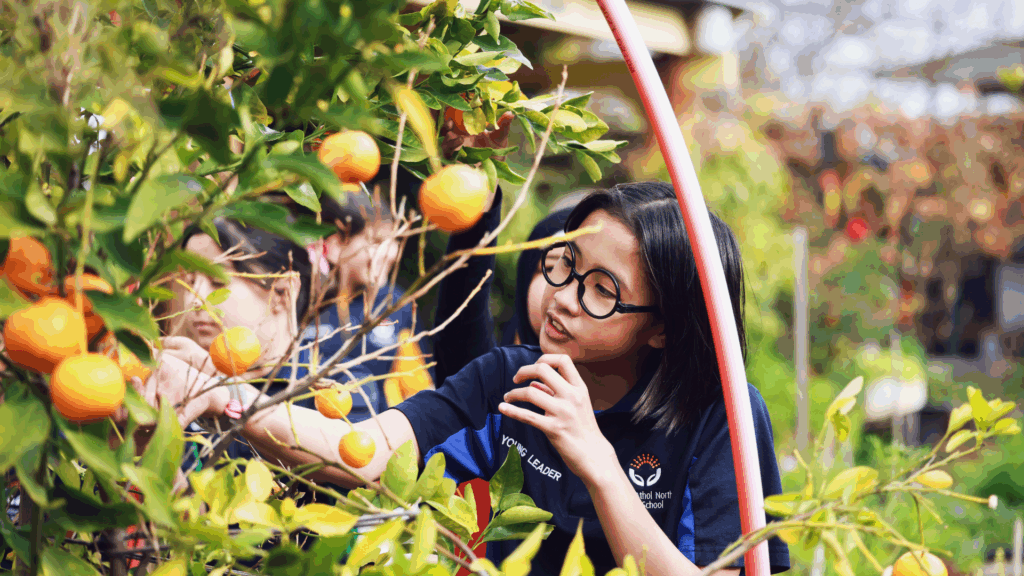
Children learn how their school gardens can create nature corridors, and why these improve air quality and reduce urban heatwaves while becoming habitats for pollinators and enhancing biodiversity. Food is grown on-site using sustainable methods and is 100% packaging-free with zero emissions from transport.
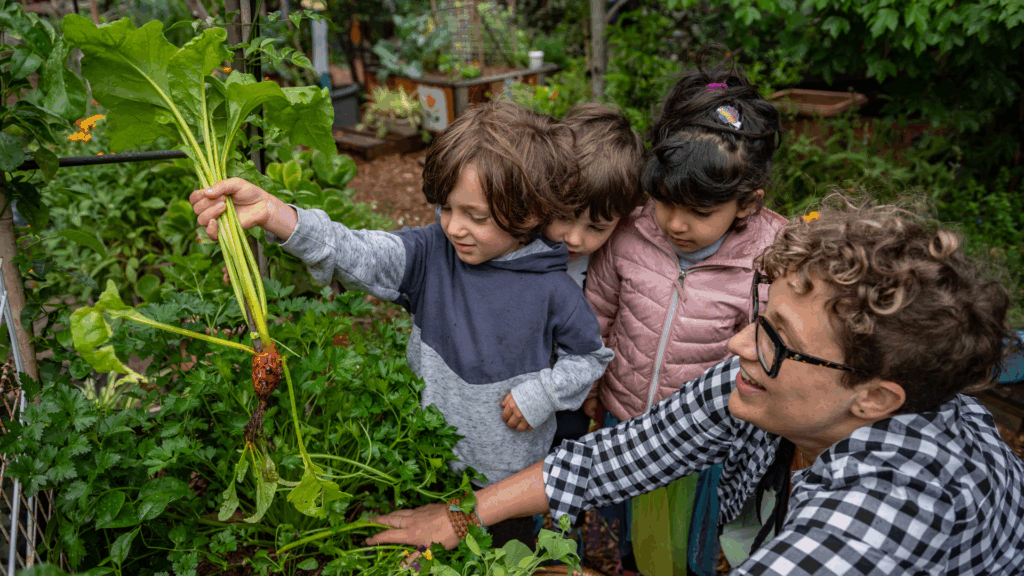
The initiative says that in many KGP schools, garden produce is used to support the whole school community including healthy canteen options and school lunches for students and time-poor school staff, and fresh produce boxes for families facing food insecurity.
According to research by Australian organization, WasteSorted Schools, the 3kg of avoidable food waste is discarded per student per year. This is equivalent to 3 million whole fruit pieces, 1.3 million packaged food items, and 3.5 million whole sandwiches discarded each year in schools across the state. The KGP teaches students how to turn food waste into soil-enriching compost, creating circular systems that support soil health and create habitats for micro-organisms and mycorrhizal networks.
The Kitchen Garden Foundation believes its program helps children form connections to the natural environment, becoming active participants in local food production systems and advocates for planetary preservation and climate change action. Meanwhile, the Foundation’s community place-based projects empower local families to grow, harvest, prepare, and share their own sustainable produce, improving nutrition, wellbeing, and food security.
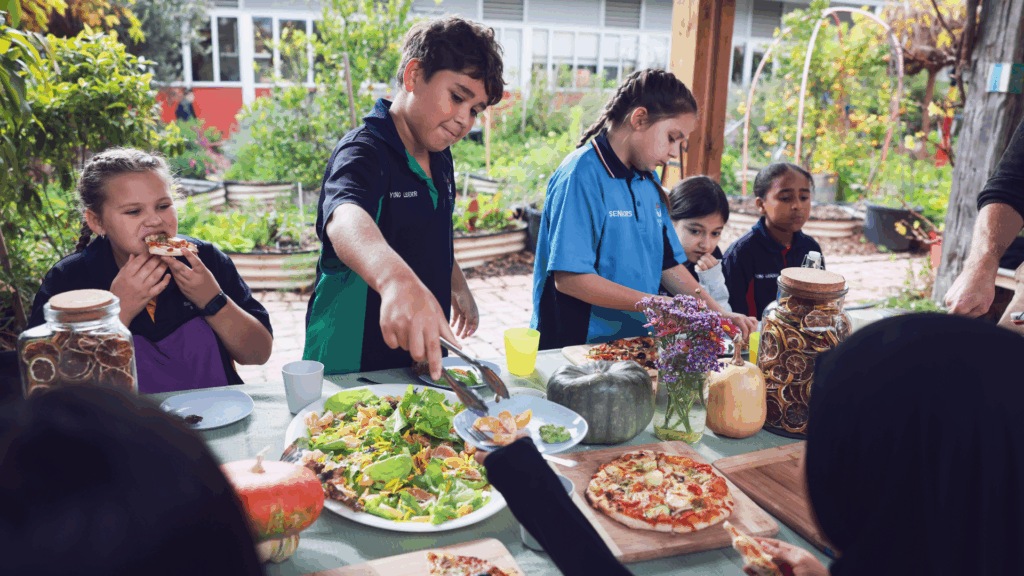
The vision driving this initiative is ambitious yet simple: to nurture healthy children and young adults to grow up in sustainable communities throughout Australia, boosting long-term public health and a generation committed to environmental stewardship.
Currently, the Kitchen Garden Foundation reaches over 1,000 schools and early childhood facilities across the nation, delivering 3 million food education experiences each year. The initiative estimates that 28,000 square meters of productive gardens have been established at schools and early childhood services over the past 20 years. According to the UN Food and Agriculture Organization (FAO), a garden plot one square meter in size can produce roughly 20kg of produce annually, which means the KGP school gardens could be producing 560 tonnes of fresh, hyper-local food per year.
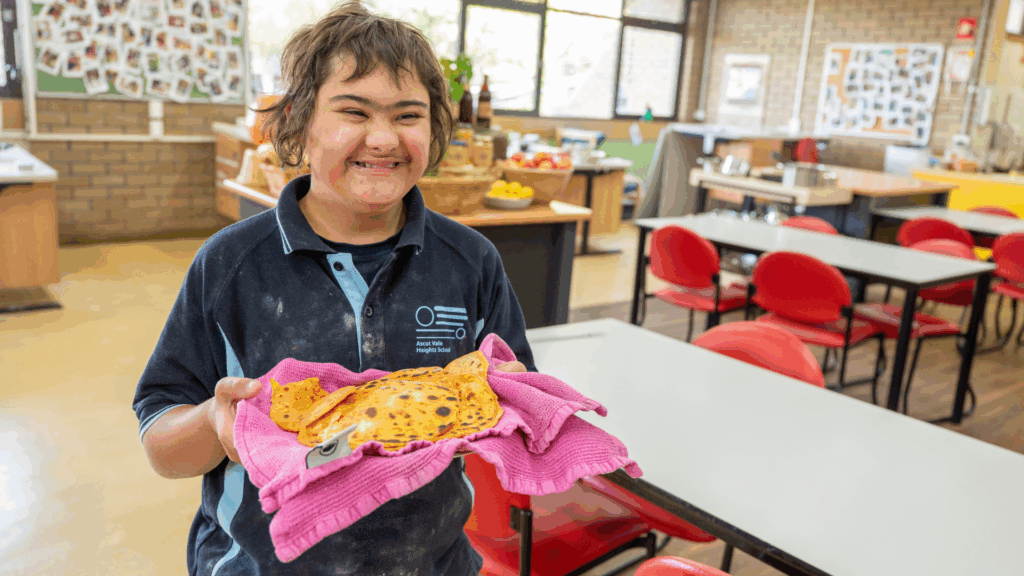
The program’s success has prompted the foundation to plan further expansion, aiming to reach more schools, especially those in marginalized areas. By fostering partnerships with local communities, the foundation claims to address a broad spectrum of health challenges, making measurable impacts on social well-being.
Learn more about the Stephanie Alexander Kitchen Garden Foundation.
Written by Gilly Smith
Photos provided by the Stephanie Alexander Kitchen Garden Foundation
The Stephanie Alexander Kitchen Garden Foundation
The Stephanie Alexander Kitchen Garden Foundation delivers hands-on growing and food preparation education for children.
Launch year: 2004
Based in: Australia