Thriving Foodscapes: Rethinking Urban Design for Healthier Food Systems
Thriving Foodscapes takes a neighborhood-scale approach to food systems change—shaping everyday places to bridge the gap between individual behavior change and systems change.
Spearheaded by Danish urban strategy and design consultancy Gehl, in partnership with the Steno Diabetes Center and supported by Novo Nordisk’s Cities for Better Health program, the initiative aims to challenge the status quo of city development to promote better public health and environmental sustainability.
According to the initiative, urban design can limit access to healthy food in many cities all over the world. Thriving Foodscapes shows how a neighborhood’s public life and public spaces, including food outlets, can deter healthy eating habits and aims to locate and dismantle the barriers.
While most food interventions focus on what people eat, Thriving Foodscapes focuses on where and how they encounter food, and what social and spatial conditions shape their food choices. Its comprehensive open-access toolkit consists of 14 modular methods aimed at helping city leaders, practitioners, and communities to effectively map and enhance the physical, social, and cultural dimensions of access to healthy and sustainable food.
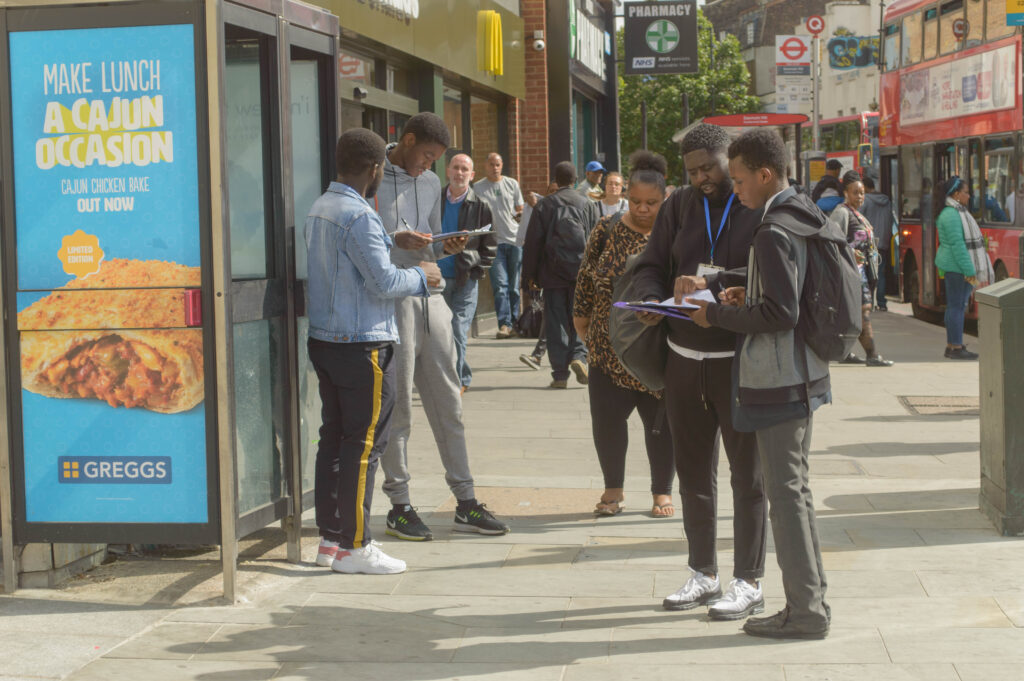
A key focus of the initiative is on disinvested and marginalized communities, which often face significant challenges in accessing healthy food. The initiative says it can empower residents to actively engage in shaping their food environments. The mission is to improve the quality of the built environment to better connect people to healthy, affordable, and culturally relevant food. It might mean redesigning a streetscape to improve visibility and hygiene conditions for market vendors, adding public seating near food hubs to encourage healthy food habits, or investing in higher-quality transportation infrastructure to strengthen food access. Access to quality food, particularly for those managing lifestyle-related conditions like cardiovascular disease and type 2 diabetes, not only promotes health equity but also strengthens community cohesion and resilience.

Urban environments often promote diets high in ultra-processed, high-emissions foods, especially in low-income, underserved neighborhoods. The initiative aims to make good food more visible, accessible, and desirable in schools, markets, and local communities. Thriving Foodscapes uses data to transform complex, systemic challenges into human stories which reveal limited access to healthy food options, highlight the social value of food places, and inspire locally owned strategies which can make a real difference. Reimagining underused public spaces as community gardens, neighborhood free-food fridges, spaces for communal dining, and healthy street vending zones, the aim is to normalize access to good food for everyone in their everyday environments.
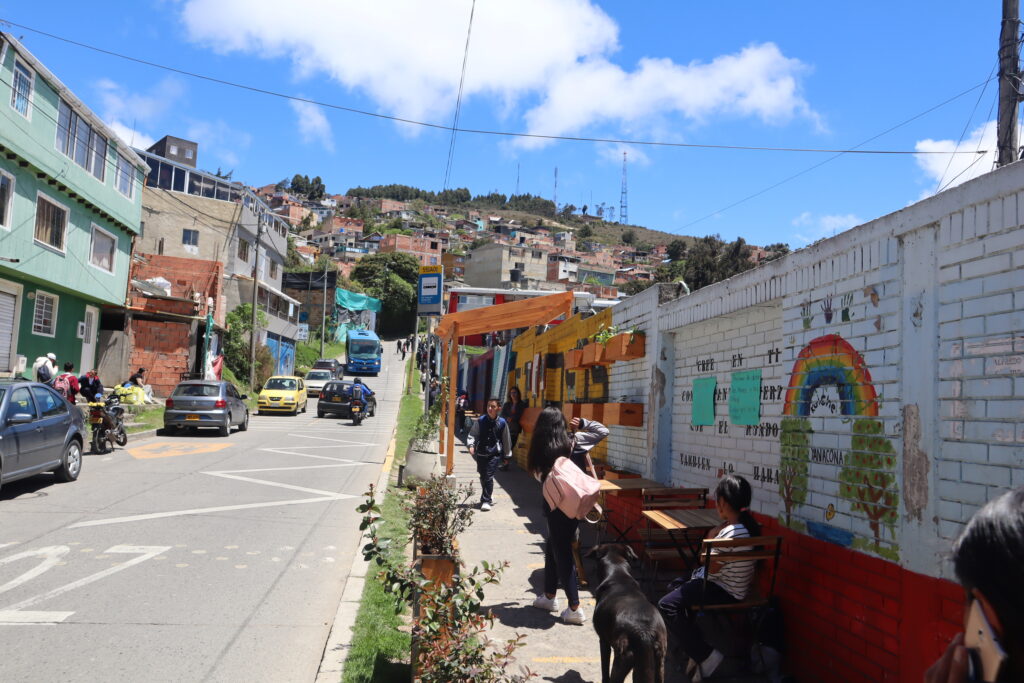
Thriving Foodscapes demonstrates that its approach is scalable; pilot projects in Bogotá, Colombia, Philadelphia, USA and Copenhagen, Denmark already showcase how open-source tools, cross-sector collaboration, and a place-based approach can be effectively translated into real-life changes. Addressing these intricate interconnections between human health and planetary boundaries, the initiative claims, can bring about the transformation of food systems across the world.
Learn more about Thriving Foodscapes.
Written by Gilly Smith
Photos provided by Thriving Foodscapes
Thriving Foodscapes
Thriving Foodscapes designs urban food environments to increase access to sustainable and healthy foods.
Launch year: 2022
Based in: Colombia, Portugal, Denmark, Sweden, UK, USA, Ecuador, Mexico