Varaha: Pioneering Carbon Removal for Asia’s Smallholder Farmers
Asia’s agrarian community is leading the way for climate resilience in a widescale project for carbon removal.
Claiming to be the foremost innovator in this sphere, Varaha has mobilized over 140,000 smallholder farmers across one million acres through four pioneering nature-based pathways: Regenerative Agriculture, Afforestation (ARR), Biochar, and Enhanced Rock Weathering (ERW).
Varaha places smallholder farmers at the core of each project, working to integrate local farming economies into the global voluntary carbon market. By sequestering carbon and diversifying farmers’ income streams, the initiative says it offers both environmental and economic returns to participating communities. Under its Regenerative Agriculture initiatives, Varaha advocates for sustainable practices such as Direct Seeded Rice (DSR), residue incorporation, cover cropping, drip irrigation and reduced tillage. Designed to enhance soil organic carbon levels and minimize fertilizer dependency, the initiative’s mission is to enable farmers to transition to climate-smart agriculture by providing them both technical and financial assistance.
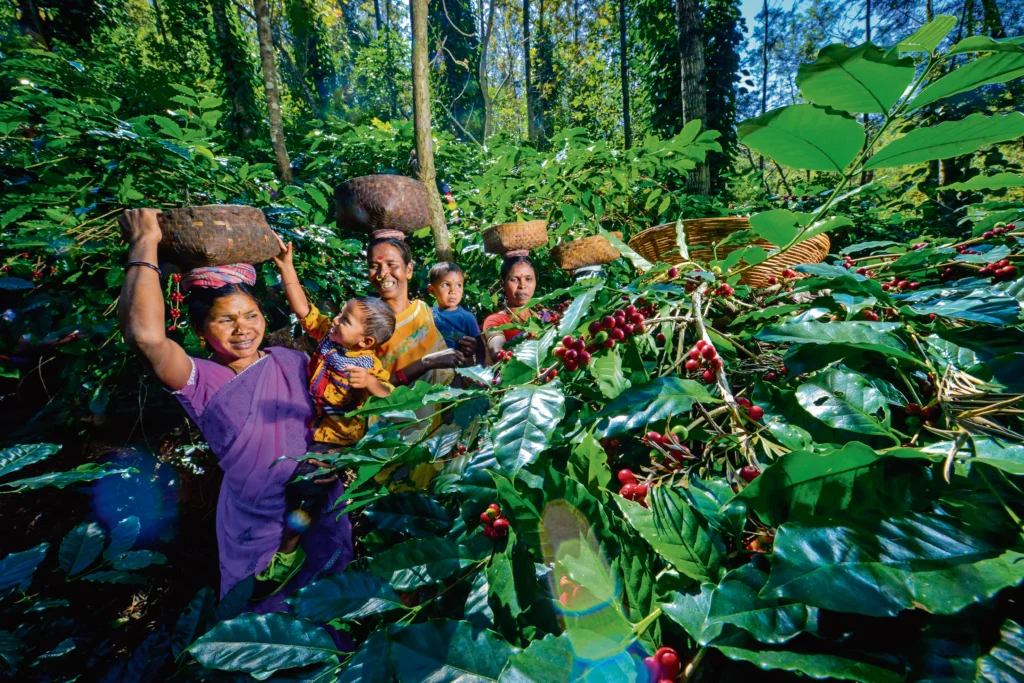
The Kheyti project already spans 800,000 acres and reaches 77,000 farmers through various implementation partners and its financing is anchored by one of the largest soil carbon deals in the world, backed by Mirova, an affiliate of Natixis Investment Managers. To ensure the integrity of their approach, Varaha partners with institutions like the Indian Agricultural Research Institute, National Rice Research Institute, and IIT Kharagpur to calibrate biogeochemical models to quantify buildup in soil organic carbon.
As part of an important afforestation plan, Varaha aims to transform barren and low-output lands into thriving agroecological systems, boosting food security without disrupting existing agricultural practices. The initiative introduces diverse fruit and nut-bearing species, ranging from mango and guava to the endangered Himalayan yew and red sanders, promising yields over the next 20 years and more. Farmers receive 100% of revenue from the low-emission produce, which garners a premium in the market along with a share of carbon income. This income from fruiting trees can increase household earnings tenfold, while carbon is sequestered in woody biomass and root systems. a share of carbon income.
In areas like the Banni grasslands and nearby community lands of Gujarat and Rajasthan, Varaha says it has empowered pastoralist Maldhari communities to reclaim degraded ecosystems, removing invasive species and converting them into biochar and restoring grassland health through the largest community-led artisanal biochar project in the world. Alongside this artisanal work, Varaha also operates industrial-scale carbon removal using high-tech gasification systems that convert waste agricultural residues and invasive species into high-quality biochar. This process generates energy that replaces LPG and supplies nearby farmers with biochar to improve soil health, while reducing emissions from unmanaged biomass.
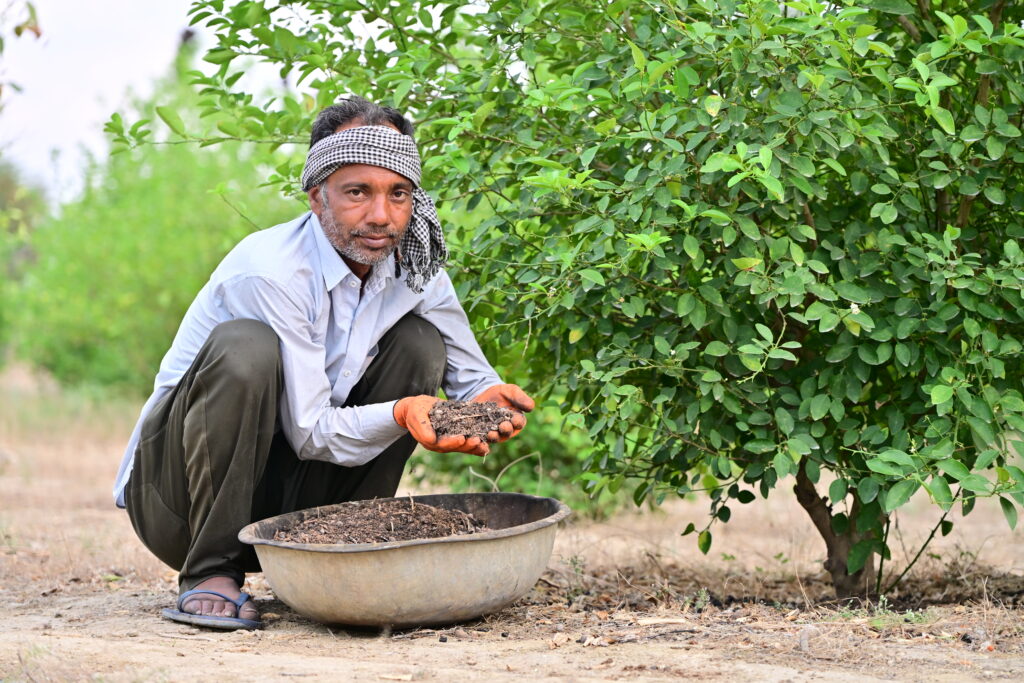
Through partnerships with local NGOs, Varaha provides training in regenerative agriculture and agroforestry practices. According to the initiative, to date, the artisanal project that Varaha leads has created over 450 full-time jobs and engages more than 9,500 farmers across 230 communities, many of whom are women, indigenous, or from tribal groups. This community-level engagement supports a transition from high-input, low-resilience farming toward long-term, sustainable land stewardship.
Varaha believes that its mission is more than empowering smallholders and farmers to face the challenges of the climate crisis; its efforts to change the landscape of carbon removal are redefining the future of sustainable agriculture in Asia.
Learn more about Varaha.
Written by Gilly Smith
Photos provided by Varaha.
Varaha
Varaha Climate enables over 100,000 smallholder farmers to participate in large-scale carbon removal.
Launch year: 2022
Based in: India