Women in Business Development Inc.: Growing Samoa’s Food Future from the Ground Up
The Pacific island nation of Samoa is often depicted as a paradise, with clear turquoise waters, fragrant tropical flowers, and white sand beaches. But climate change and dependence on imported food are putting increasing pressure on rural communities to survive in their beautiful lands with dignity. One organization is showing how agriculture can become a pathway to greater resilience. Founded in 1991, Women in Business Development Inc. (WIBDI) has spent more than three decades working with rural Samoan families to connect sustainable agriculture with stronger livelihoods, environmental stewardship, and women’s economic empowerment. They now work with 622 farming families across Samoa, helping them adopt organic and regenerative practices that strengthen food security and resilience.
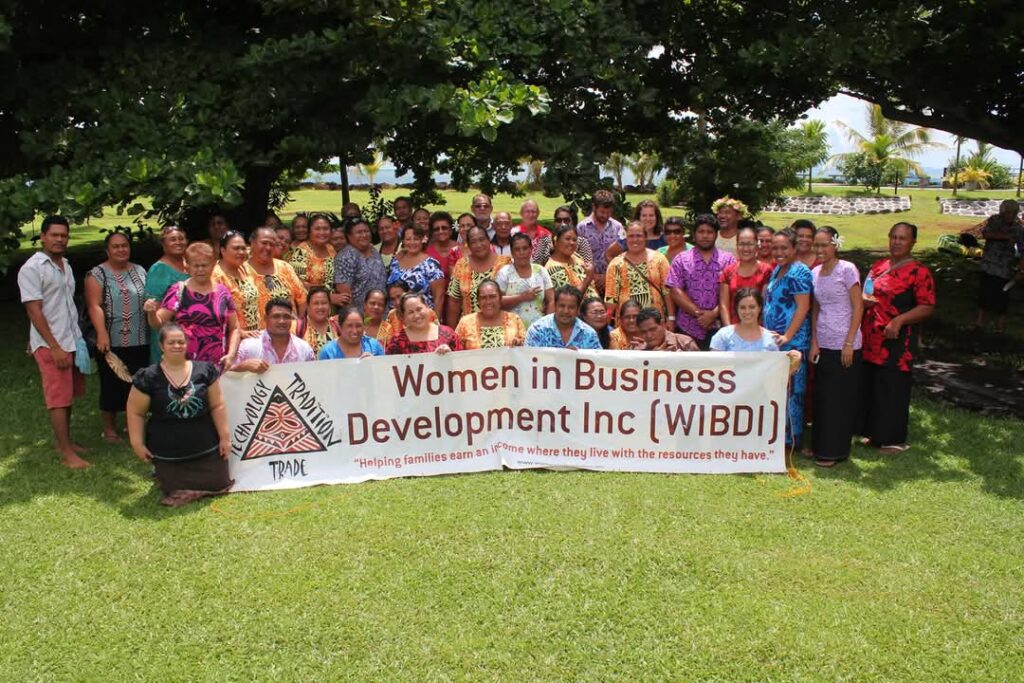
At the heart of WIBDI’s approach is a model that extends far beyond the farm. Its holistic support spans sustainable production, organic certification, value-added processing, entrepreneurship, and market access. According to the initiative, its farming network spans Upolu, Savai’i, Manono, and Apolima, collectively managing approximately 6,400 hectares of agricultural land. By connecting farmers with processing facilities and higher-value markets, WIBDI aims to ensure that more economic value remains within rural communities while creating incentives for sustainable production.
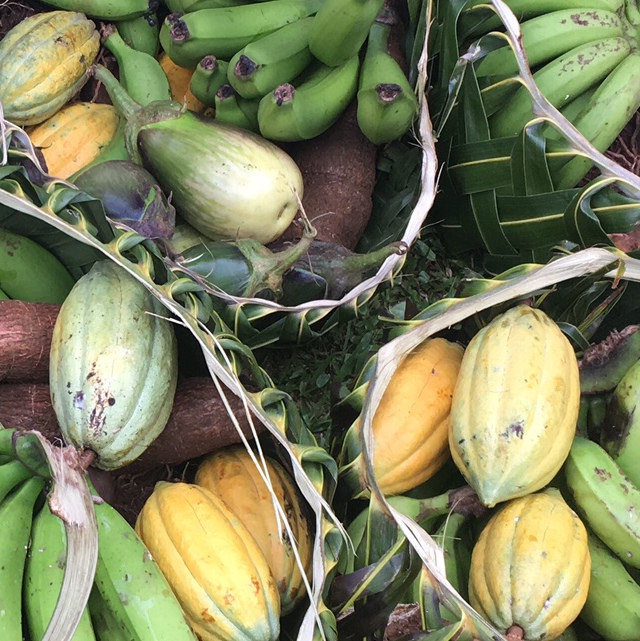
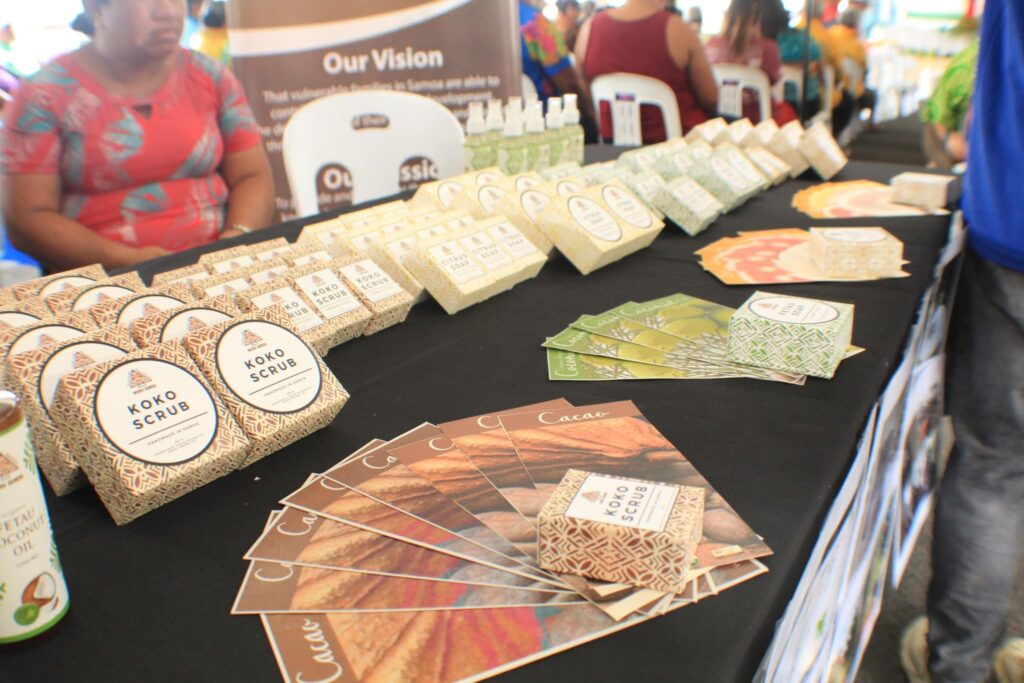
One of its most significant achievements is an organic coconut value chain connecting Samoan farmers to international markets, providing financial security. Its farmers have been producing organic virgin coconut oil and exporting it to The Body Shop UK for 18 years. WIBDI also operates an agro-processing facility that turns locally grown raw materials into soaps, body oils, and other products. This approach allows farmers to move beyond primary production and participate in value-added activities, creating additional income opportunities while building a stronger local agricultural economy.
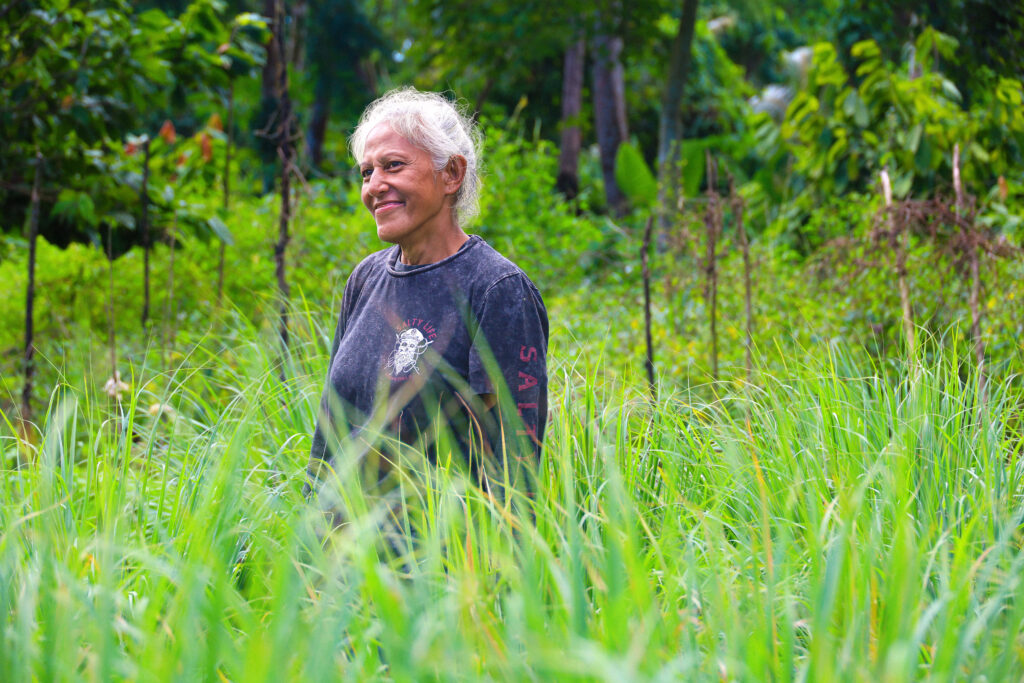
Women are central to this transformation. According to the initiative, strengthening women’s leadership, entrepreneurship, and decision-making can generate benefits across households and communities, including improved wellbeing, food security, and resilience. The organization also supports young people and promotes farmer-to-farmer learning, helping communities build skills while maintaining connections to traditional knowledge. Its approach combines indigenous Samoan practices with contemporary agricultural and technical methods, including organic certification and sustainable land management.
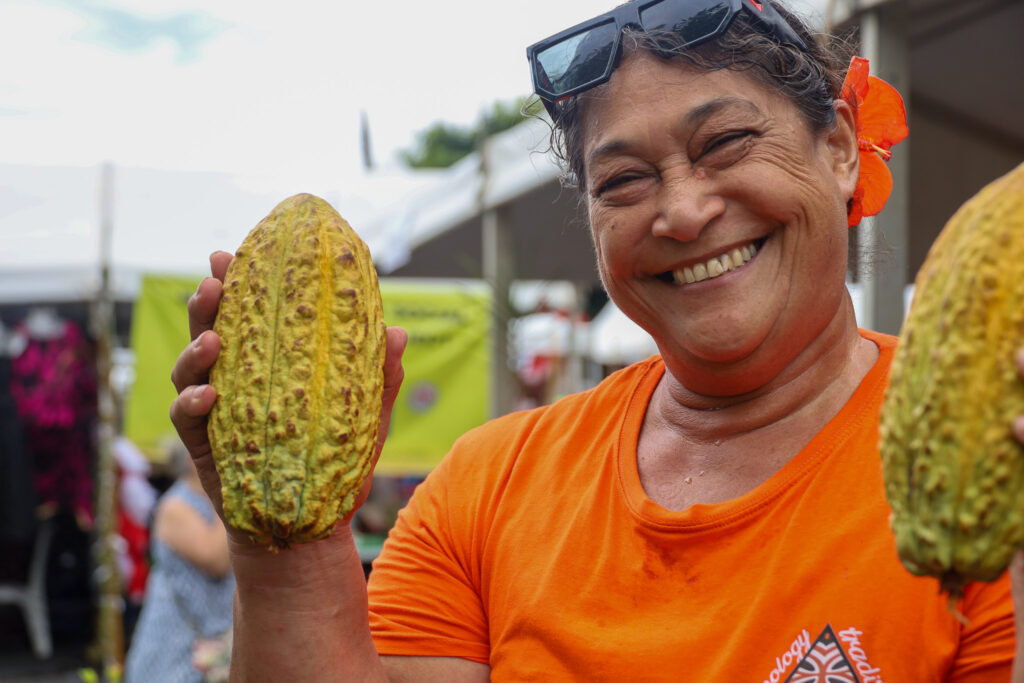
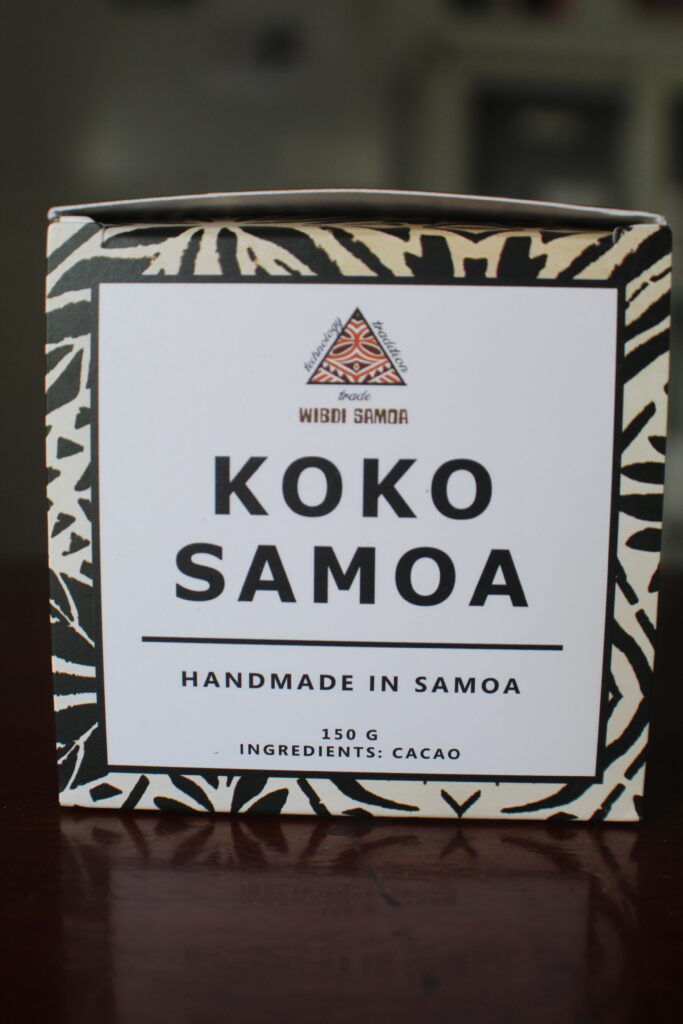
Environmental regeneration is closely tied to these economic goals. According to the initiative, regenerative and organic farming practices improve soil fertility, conserve biodiversity, protect freshwater resources, and reduce dependence on synthetic agricultural inputs. Diversified production can also increase the availability of nutritious local foods while reducing reliance on imported products. For a country exposed to cyclones, changing rainfall patterns, drought, and other climate pressures, WIBDI sees resilient farming systems as an important part of strengthening both food security and rural livelihoods. The initiative also researches high-yielding, climate-resilient crops that can provide new raw materials for value-added products, diversify incomes, and create future market opportunities. Its work draws on more than 30 years of practical experience across Samoa and integrates regenerative agriculture, agroecology, organic farming, traditional knowledge, and community-based capacity building.
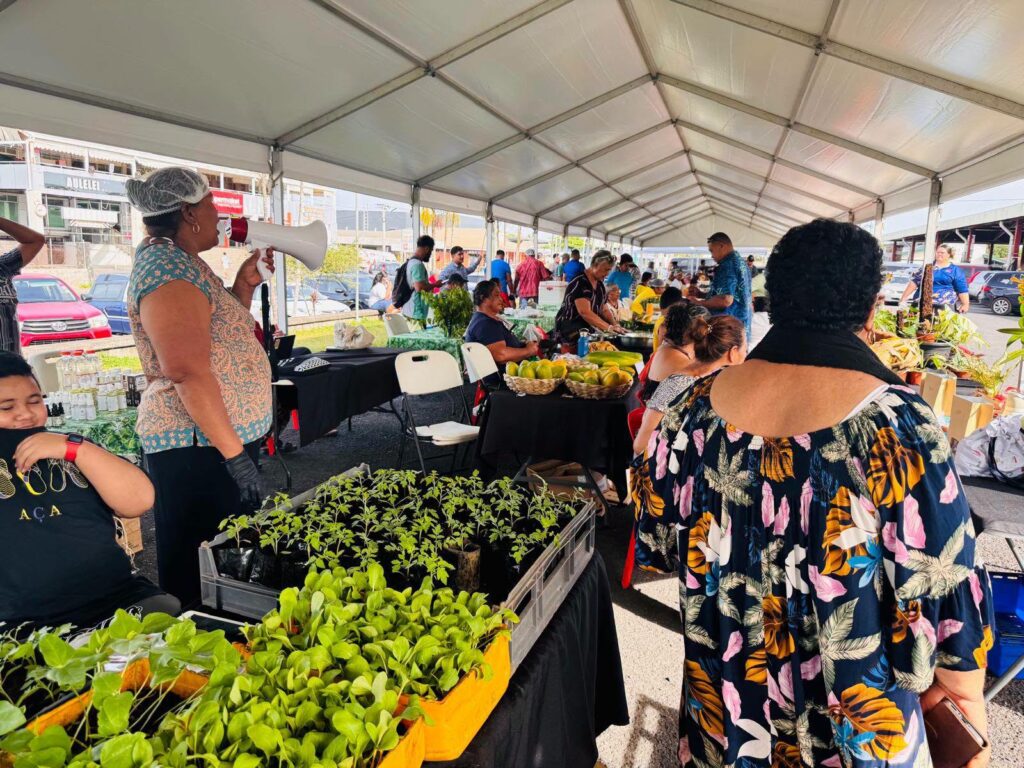
WIBDI’s work shows what is possible when farmers are given the tools, knowledge, and markets to build sustainable livelihoods on their own land. By bringing together regenerative and organic agriculture, local knowledge, women’s leadership, and value-added production, the organization is helping Samoa build a food system that is better for both people and the environment. The goal is simple: stronger farms, stronger communities, and a more secure food future for Samoa.
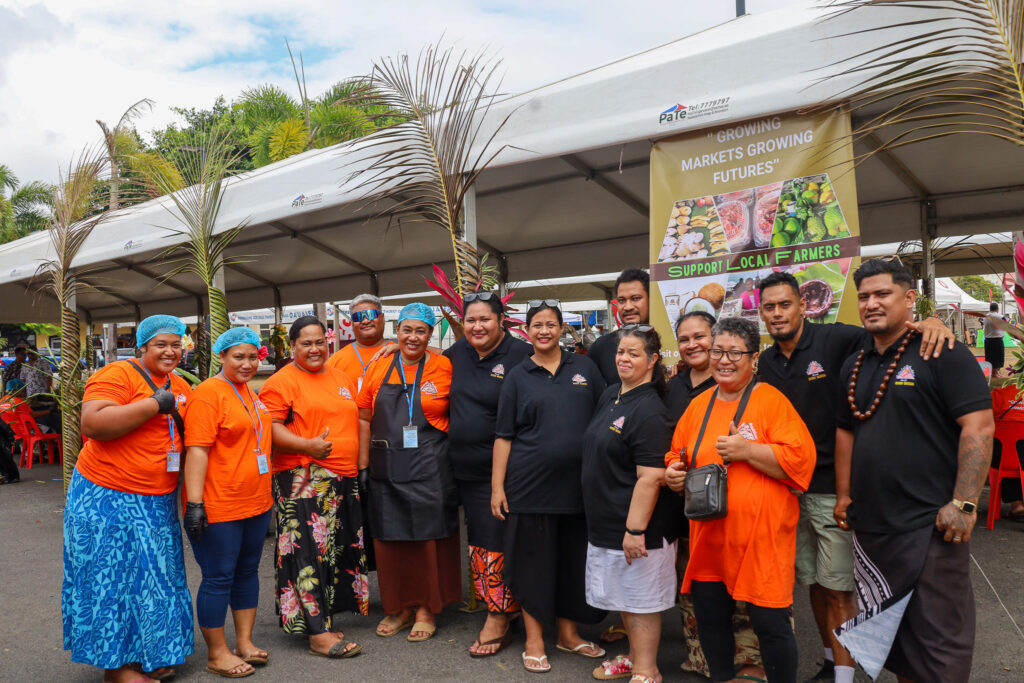
Learn more about WIMDI.
Women in Business Development Inc
Women in Business Development Inc supports Samoan farmers by connecting them with organic supply chains and fair-trade markets, and developing processing facilities for their products.
Launch year: 1991
Based in: Samoa