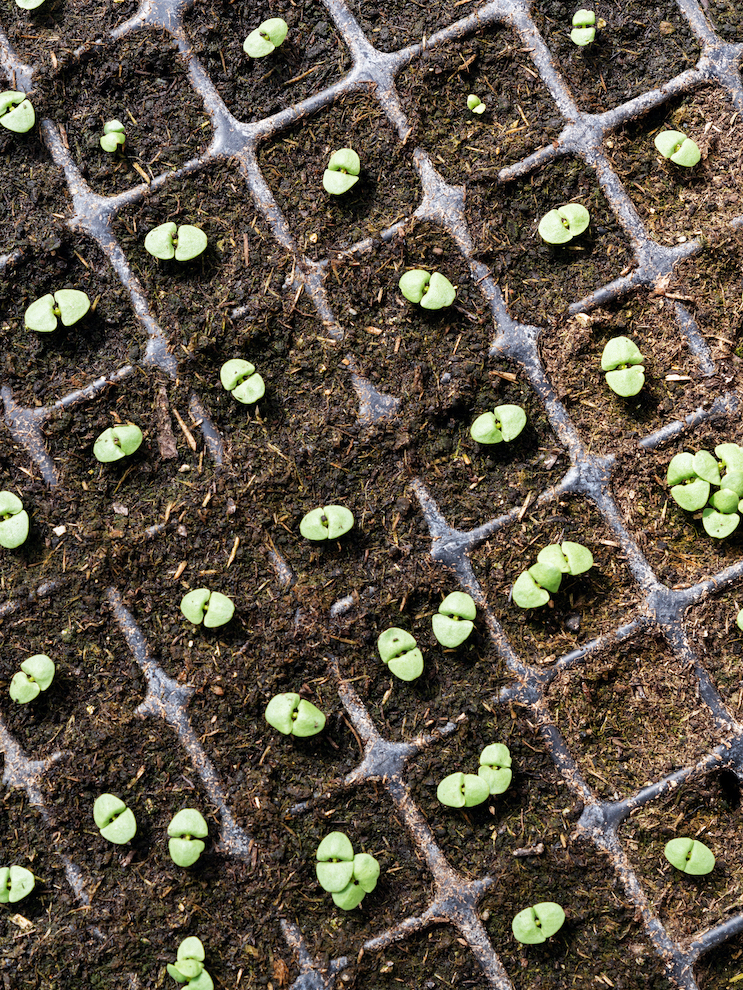
Europe’s first certified carbon payment program for farmers could help to accelerate the transition towards regenerative farming across the world.
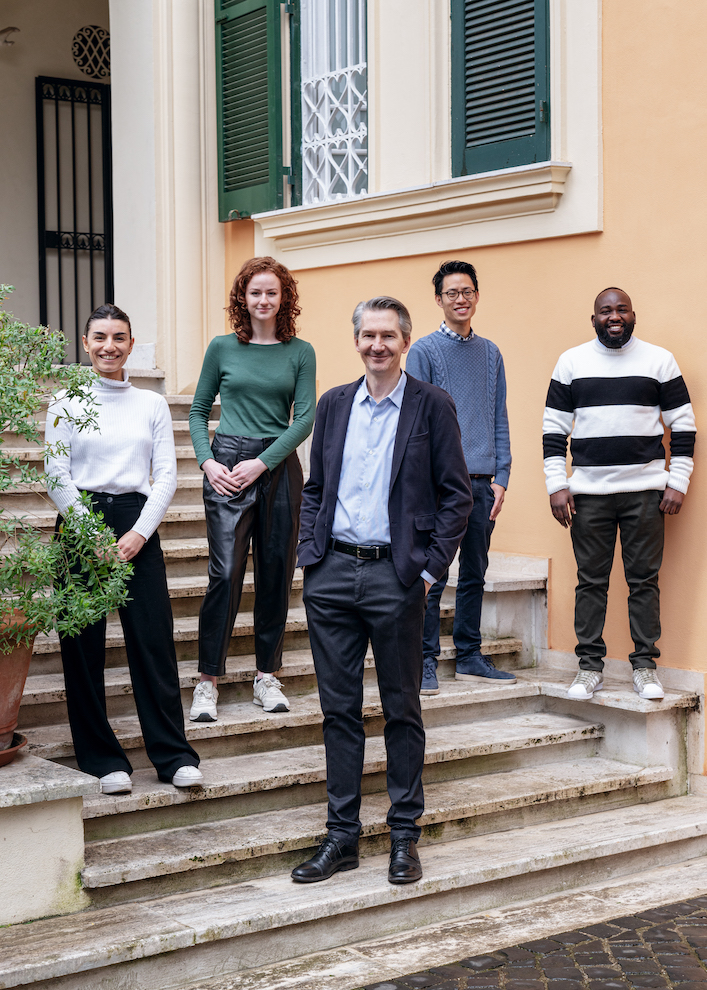
Soil Capital is on a mission to become the first independent agronomy firm dedicated to transforming farmland at scale. It reflects an urgent need to revitalize soil health and restore the natural fertility of agroecosystems. Over its decade-long journey, its agronomists and farming experts have steered farmers toward more profitable and sustainable agricultural practices.
The turning point for Soil Capital came in 2019 with the launch of Europe’s first certified carbon payment program for farmers, a major step towards incentivizing sustainable farming practices. Unlike the better-known offsetting model, Soil Capital advocates for insetting, where emissions reductions are achieved within the agri-food value chain itself. The initiative explains that this strategy drives greater systemic change by building more future-fit supply chains. At the core of Soil Capital’s approach is its data model, Beyond Carbon, which uses more than 30 indicators to guide farmers on how to manage land in harmony with nature, creating ecosystemic and economic value. It reflects farm performance across five critical areas: soil health, biodiversity, water management, climate, and socioeconomics.
Its farmer-facing application, mySoilCapital, enables farmers to input their data with minimal administrative burden. In return, they gain insights into how to reduce the cost of synthetic inputs, such as fertilizers, herbicides, pesticides, fungicides, and fuels, and how to build greater climate resilience.
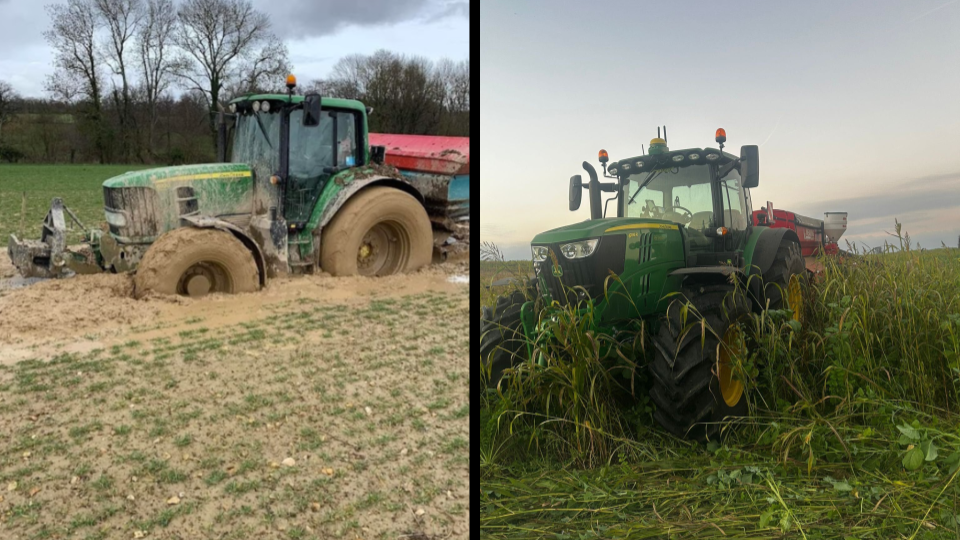
Pictures taken on the same day on two different farms in the same region in France. These two fields show totally different soil responses to rainfall, one being able to absorb heavy rainfall and will keep producing food (right, photo from a Soil Capital farmer), the other becoming a field of mud (left).
According to the initiative, the Soil Capital Regenerative program has engaged more than 1,800 farmers over 500,000 ha across France, Belgium, and the UK to date. More than €15 million has been distributed in payments to farmers, a result of support from food system stakeholders, primarily within the agri-food sector. These payments recognize the critical ecosystem services farmers provide and strengthen their role in safeguarding food security.
In a significant milestone, Soil Capital became a certified B Corp in 2022, further solidifying its commitment to social and environmental performance, transparency, and accountability. The company is also a founding member of the Climate Agriculture Alliance, a coalition which is working to build robust, science-based frameworks for agricultural carbon finance in Europe.
Written by Gilly Smith Photos provided by Soil Capital
Country: France
A one-stop digital platform for food distributors and suppliers could tackle the root cause of food waste through AI.
Choco, a UK based tech company, claims that it has discovered a way to create food sustainability on a global scale. By transforming how orders are handled in the food supply industry, it says that it could prevent waste at source.
Its digital platform connects vendors directly with the producers, cutting out the middle man or woman, streamlining the food chain and making food travel the shortest routes possible. The company’s goal is to create a globally connected digital food system.
Choco claims that 70% of food waste happens in the supply chain before food reaches the consumer. But the company says AI can help tackle this inefficiency deep in the system where a lack of end-to-end accountability and disconnection between producers and buyers has led to a fragmented and complex structure. Without digitalization, transparency and data-driven decision-making is almost impossible.
image by Choco
Choco, which currently works with 15,000 restaurants and 10,000 suppliers to help them save time, money, and food, has a two-step action plan to address the problem. With every value-adding business across the food supply chain using its technology, the automation process, according to the company, would decrease cost, eliminate waste, and immediately increase profitability.
The app’s ability to harness the power of AI to find innovative solutions could lead to better demand forecasting, inventory management, ordering, food waste monitoring, and more accurate cost reports. This unravelling of the back end directly addresses the root causes of food waste within the food supply chain.
Choco is a third-generation business whose societal and environmental values are intrinsically linked to economic success and sustainability. It claims that by creating a direct link between commercial value and environmental impact, it can make a substantial difference in curbing GHG emissions.
And a streamlined, waste-free food system which connects suppliers directly to vendors could compensate farmers more fairly for their produce, according to Choco. The impact of this on farmers in poorer regions could lead to better access to education and community engagement. By regulating supply based on needs rather than price, Choco believes that it can help to ensure a stable and consistent food supply, fostering social stability and security.
The system could even redirect surplus food to those in need, significantly contributing to alleviating hunger and food insecurity on a global scale.
The company’s vision for the next 10 years is bold; it aims to use AI to optimize the food chain for farmers and manufacturers from source to plate, solving food sustainability on a global scale. It says that it has proven the model in Europe, North America, South America, the Middle East, South East Asia, and Australia.
Scientists agree that global agriculture is losing crucial diversity in its plants, animals and microorganisms. But you can’t fix a problem that you can’t measure properly. That’s where the Agrobiodiversity Index comes in.
MONTPELLIER, France
On a chilly morning in late February, Natalia Estrada Carmona, an agricultural biodiversity scientist with the Alliance of Bioversity International and the International Center for Tropical Agriculture (CIAT), walks me through the Arceaux farmers market in Montpellier. As the freezing air fills with the scent of pan-fried sausages, pickled green olives, and freshly baked bread, Estrada Carmona stops in front of a kiosk showcasing a wide range of colorful brassica.
“In this market of local producers, you can still find local diversity,” she says. She points at broccoli and cabbage, listing each vegetable’s vitamin profile. It makes perfect sense that she would produce an off-the-cuff list—she and her colleagues have created one of the most important indexes in the field of agrobiodiversity, a list they believe can help, in its own way, save the planet.
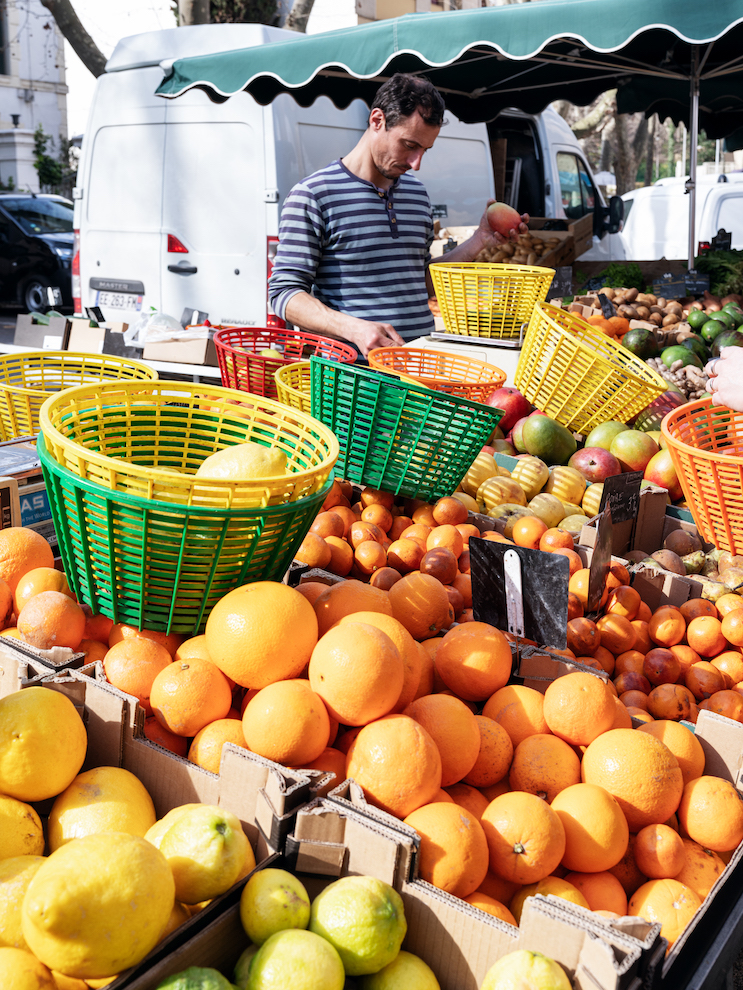
A local farmer weighs fruit at the Arceaux farmers market in Montpellier.
Estrada Carmona grew up far from Montpellier, in a family of coffee farmers in Medellin, Colombia, during the height of the cartel violence. But her long interest in the role of food and agricultural diversity in society brought her here to southern France. Through her research, she realized that despite much public concern about biodiversity—the variety of life on earth and its loss—there was little attention to what was happening to agrobiodiversity, the wealth of plants, animals, and microorganisms used for food and agriculture.
When it comes to food species, we don’t even know what we’re missing. The International Union for Conservation of Nature’s Red List of Threatened Species tracks the conservation status of only 30% of known edible plantspecies. While there are 6,000 different species cultivated for food worldwide, only nine crops (sugarcane, maize, rice, wheat, potatoes, soybeans, oil-palm fruit, sugar beet, and cassava) make up 66% of the world’s crop production. Of the 7,745 current local livestock breeds, one-quarter are going extinct.
While farmers markets like Montpellier’s still try to keep regional crop diversity alive, our global tendency has been a push towards cultivating monocultures and raising just a handful of livestock species. Estrada Carmona believes that this process is pushing nature, and consequently humanity, towards an unprecedented crisis. Malnutrition is rampant across the globe, and pest outbreaks are decimatingmonocultures.
“We are a more advanced society, with a greater lifespan and, in theory, a higher quality of life,” says Juan Lucas Restrepo, CIAT’s Director General. “But we have a poor diet, which is paradoxical.”
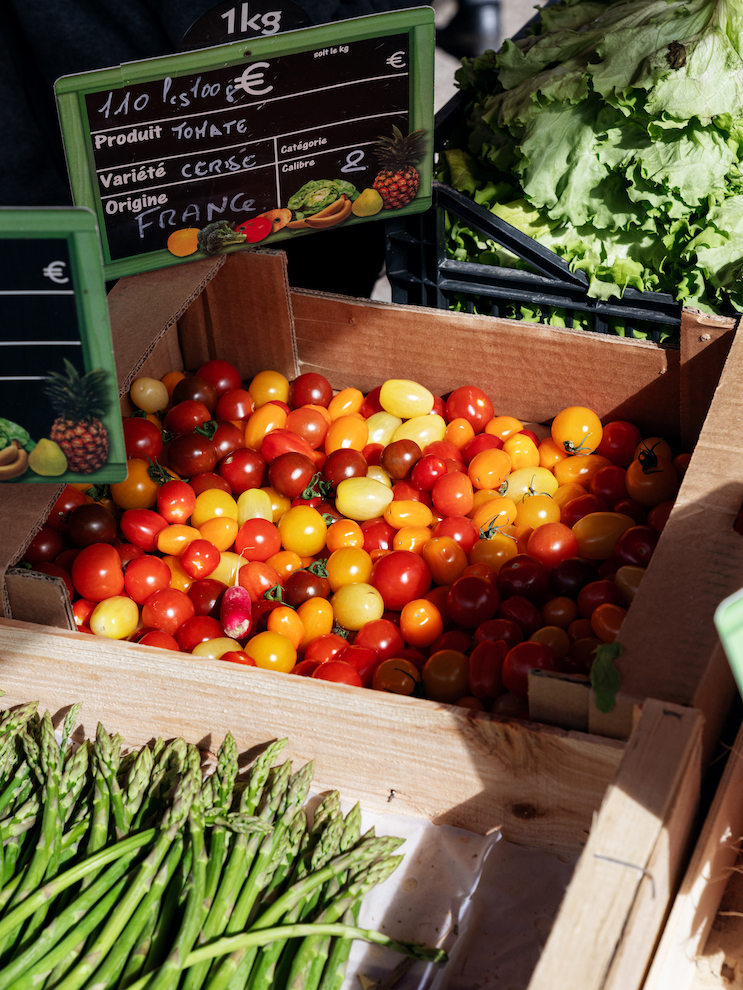
Local produce and cheeses for sale at the weekly Arceaux farmers market in Montpellier.
As we walk through the market stalls, Estrada Carmona, bundled against the cold in a long gray coat, expounds on our shortsightedness. Modern agriculture forgoes crops and plants that have fed humans for millennia. She points at dozens of local French cheeses displayed in a stand, calling them a last stronghold against mass-produced cheese filled with fructose corn syrup.
“In finance, if you say, ‘I’ll invest everything in only one stock,’ people will say you are crazy. But in agriculture, we do just that,” Estrada Carmona says. Among the many dangers of such a narrow focus, she says, is a loss of genetic resources that could be crucial in helping farmers address drastic climatic change.
But while many NGOs and grassroots movements worldwide had begun to work on agrobiodiversity, there was no centralized way to track what was getting lost and where. Why would anybody include agrobiodiversity in dietary guidelines or agricultural and environmental policies if it is largely invisible to governments, companies, and the public?
So, in 2017, Estrada Carmona and her colleagues created the Agrobiodiversity Index to“make the invisible visible.”
The Index
In 2016, Roseline Remans, a researcher of agriculture, environment, and nutrition at Columbia University’s Earth Institute and a consultant with Bioversity International, was at a conference in Rome with colleagues from around the world. Each was an expert in various disciplines related to agrobiodiversity, but their work was, to use an agricultural word, siloed. Remans said that the gathering was the “a-ha” moment for the inception of the Index.
Three months later, she presented the idea of creating an Agrobiodiversity Index to the board of Bioversity International at its Rome headquarters. Along with her team, she received a €150,000 grant from the European Commission to lay out the concept and structure of the Index. They contacted NGOs, companies, and farmers to understand which crucial aspects of agrobiodiversity should be measured.
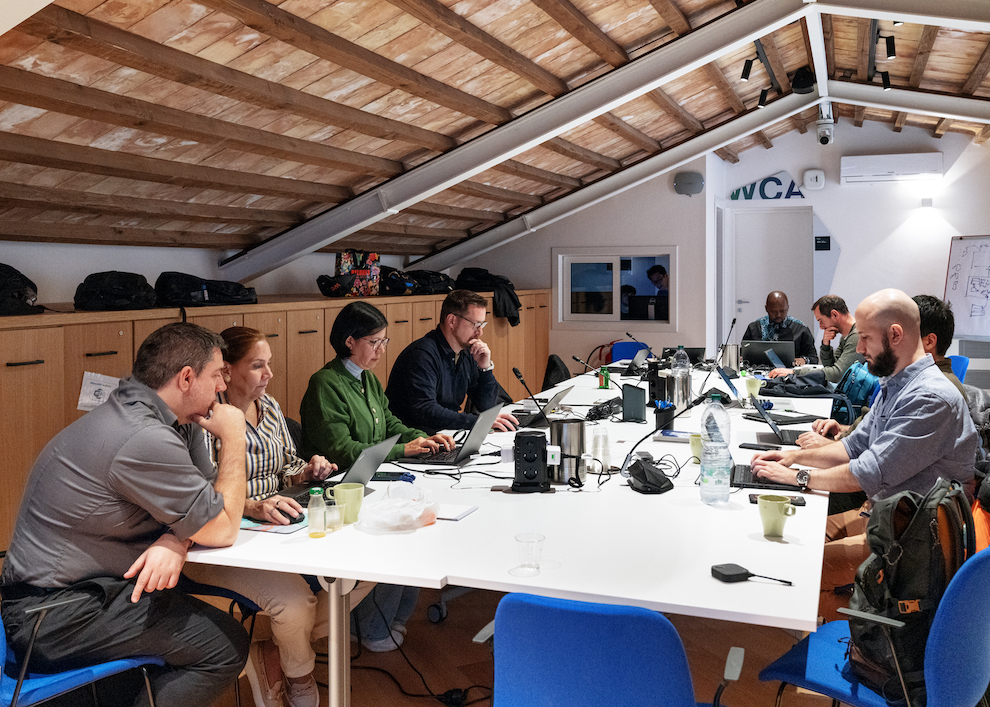
Collaborators on the Agrobiodiversity Index gather for a meeting in Paris.
“Would it really be feasible to bring all these different pieces together in a scientific way? And would there not be too many data gaps?” Remans recalls wondering.
Dr. Sarah Jones, a scientist on the Bioversity Multifunctional Landscapes team based in Montpellier, is a co-leader of the project. She says they believed from the start that the Index could help them understand how agrobiodiversity contributes to food systems. They identified three key metrics: consumption, agricultural production, and genetic resource management.
Members of the Alliance BI-CIAT staff gather for a photograph. From left to right, Claudia Zaccari, Partnerships Assistant; Juan Lucas Restrepo: Director General of the Alliance of Bioversity International and CIAT; Eliot Gee, Global Communications Associate Officer; Tanko Abdulai, IT Technician.
But it would not be simple to measure, for example, the status of agricultural production for a specific country and give it a score that policymakers can compare with other scores across the globe. So researchers added 22 additional indicators, like varietal diversity or landscape complexity, whose data was already present in consistent global datasets like the Domestic Animal DiversityInformation System, the FAOSTAT, or the global database for the distributionsof crop wild relatives.
Each country would get a set of scores at the end of the elaborate data aggregation, so its food system actors could make informed decisions in food and agriculture. Even then, there were challenges, says Remans. Data disparity is rampant: some countries do not have dietary guidelines due to a lack of resources, while others don’t report to the same databases as everyone else. And just a handful of cultivated crops, such as wheat, maize, rice, and soybeans, have globally available data compared to the thousands bred worldwide.
Francesco Sottile, professor of agrobiodiversity at Palermo University, believes the Index is a well-articulated trial. But he says it lacks some of the social aspects of agrobiodiversity, particularly when assessing how and to what degree local communities are preserving it.
Sottile remains hopeful the Index will become widely adopted in time. “Through the conservation of a bean variety, we can determine the conservation of an ecosystem,” he says.
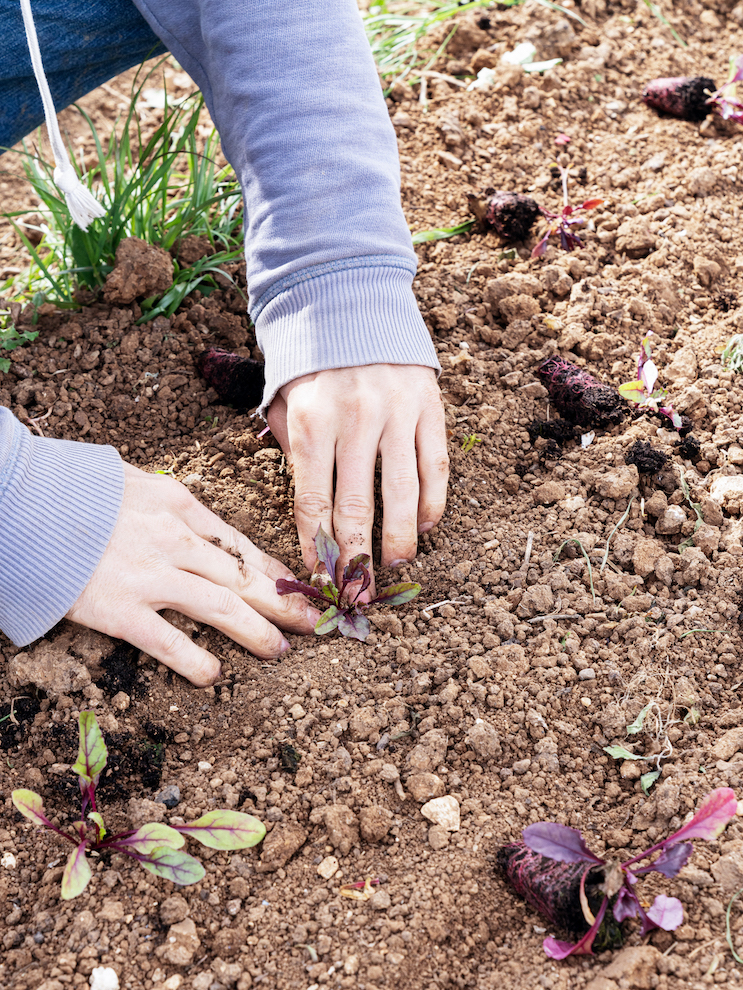
Beetroot cultivation at the greenhouse at the Domaine de Mirabeau Pole d´Excellence Agroecologique outside of Montpellier.
Local Impact
At the Domaine de Mirabeau-Pole d’Excellence Agroécologique, a 520-acre farm in Fabregues just outside Montpellier, a sparrow hawk stops mid-air before diving into an open field. It disappears for a second before reemerging with a tiny mouse in its beak.
Cristiano Marinucci, an agroecological researcher at the Conservatoire d’Espaces Naturels d’Occitanie, has joined us at the Domaine. He looks at this bit of nature at work and smiles.
The Domaine is not directly affiliated with the Index, but its devotion to preserving agrobiodiversity is a leading example in the field. There are several breeds of sheep, goats, and pigs; a mix of grape varietals; a seasonal vegetable farm; a composting station; and a large stretch of Mediterranean bush and forest filled with holm oaks, wild olives, and hidden truffles.
“Test projects like this farm are important to showcase to farmers and policymakers [what can be done],” Estrada Carmona says.
Nowadays, sustainability is part of many companies’ business models. Remans has been working with large food companies (which she can’t name because of non-disclosure agreements) to implement the Agrobiodiversity Index at a corporate level. While she acknowledges some seek those scores for image building, she believes others are serious about using the Index numbers to propel change.
“Companies can then give incentives and longer-term contracts to the farmers to make the transition to incorporate some of these diversification practices,” Remans said. But corporations are profit-seeking enterprises; in the end, it will be up to policymakers to push for real change.
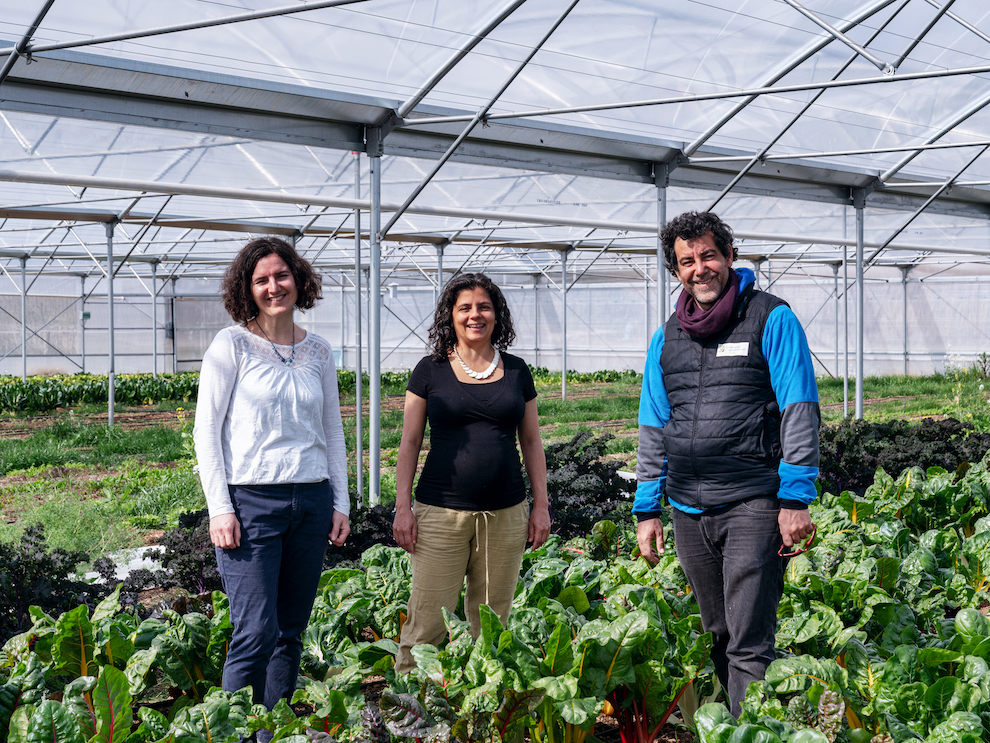
Sarah Jones, Natalia Estrada Carmona and Cristiano Marinucci in a field of lettuce at the Domaine de Mirabeau Pole d´Excellence Agroecologique.
According to Restrepo, the Director General of the Alliance of Bioversity and CIAT, Peru is an example to follow. Over the past two decades, a few celebrity chefs began seeking lost local produce, like indigenous tubers and potatoes, for their recipes. In the process, they made agrobiodiversity “cool” and started a movement that has led to national policies promoting local food and crops in school canteens.
“This is something that the Index is capturing perfectly,” Restrepo says. Still, he admits that making the Index mainstream will not be easy.
“We are starting with a hostile environment,” he says. Lobbyists, industrial interests, and big multinationals are locked into the regulatory status quo. “Policies in countries are not pro agrobiodiversity, but pro the main staples.”
They have won some important battles already. Nearly 200 countries have signed the Convention on Biological Diversity (CBD) post-2020 global biodiversity framework, thereby committing to use the Agrobiodiversity Index. Over 50 companies like HowGood, an American sustainable food rating
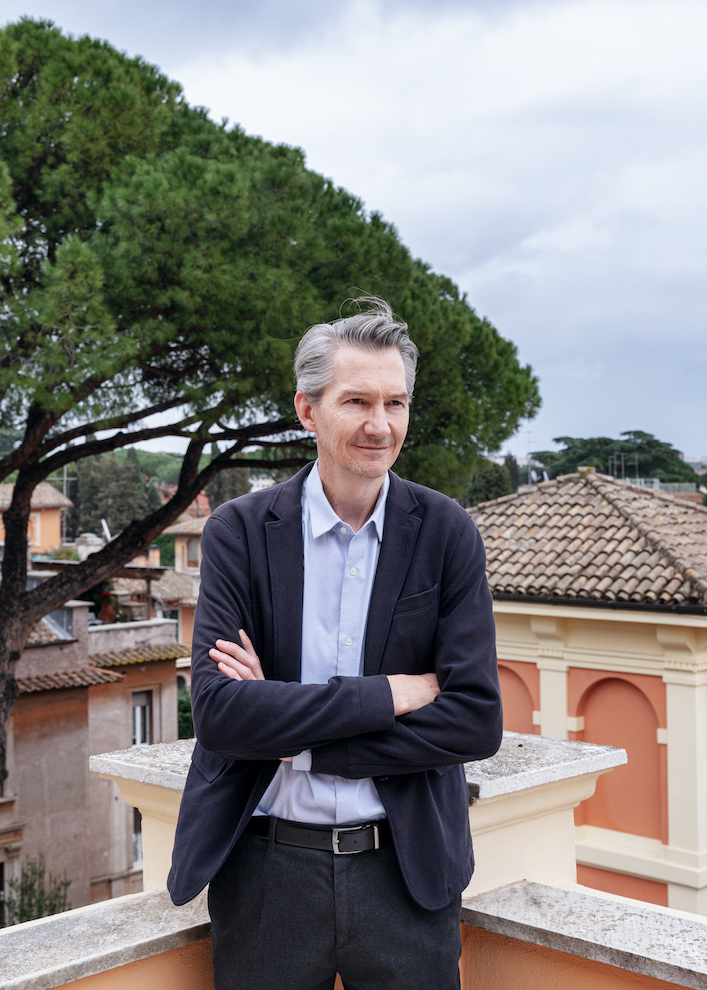
Juan Lucas Restrepo, Director General of the Alliance of Bioversity International and CIAT, poses for a portrait.
company based in Brooklyn, have used whole or specific indicators of the Index as part of their business model.
Still, further research and funds are needed for its full-scale application in tracking agrobiodiversity from farmers’ fields to people’s plates. To illustrate the importance of agrobiodiversity, Jones uses a metaphor about a deck of playing cards.
All decks start with 52 cards, she explains. But take even a few out, and you’re limited in what games you can play. Suddenly, you realize the importance of a complete deck. The same concept applies to the prospect of losing even a little bit of agricultural variety.
“We don’t know the consequences of what we’ve lost until it’s too late,” Jones says.
Beetroot cultivation at the greenhouse at the Domaine de Mirabeau Pole d´Excellence Agroecologique outside of Montpellier.