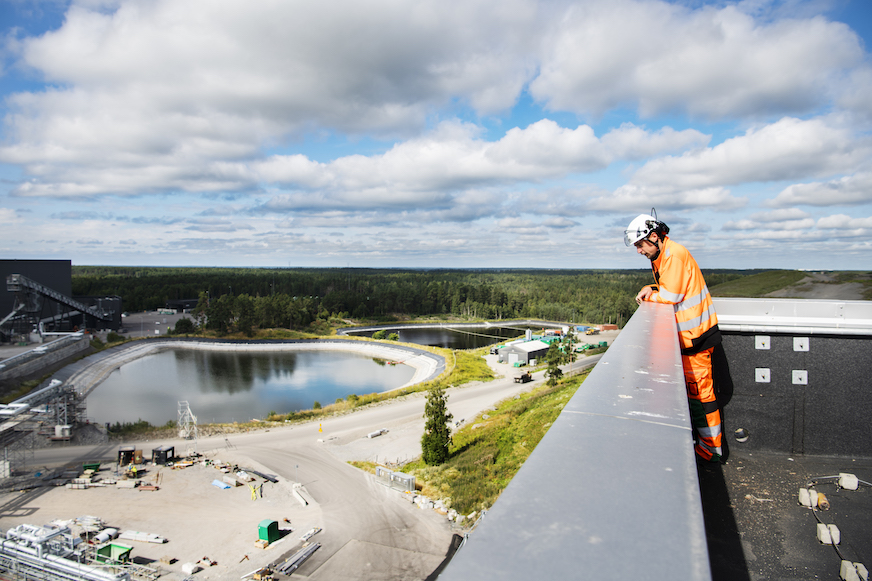
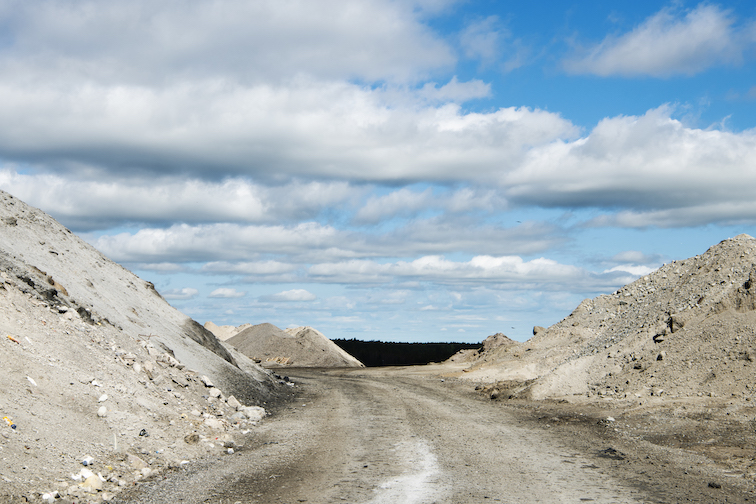
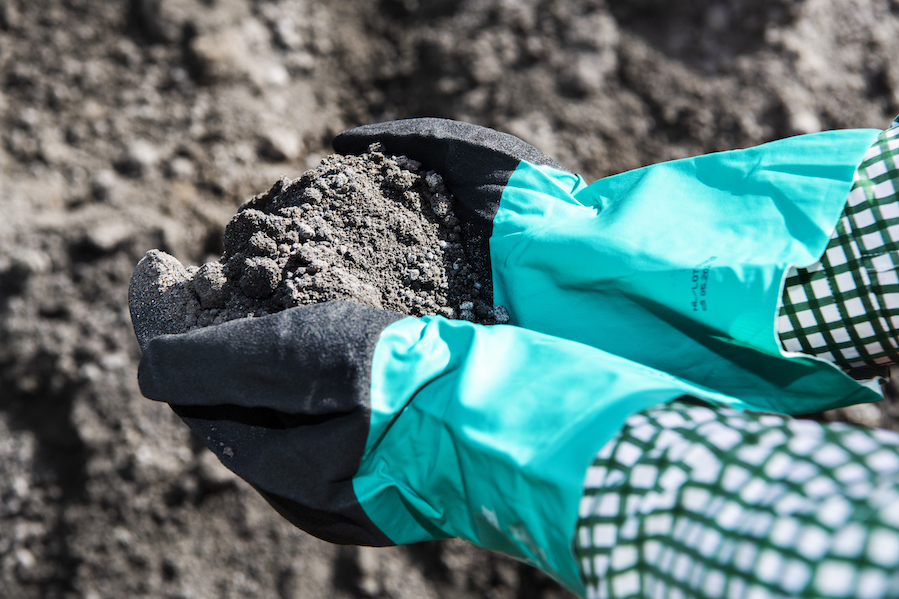
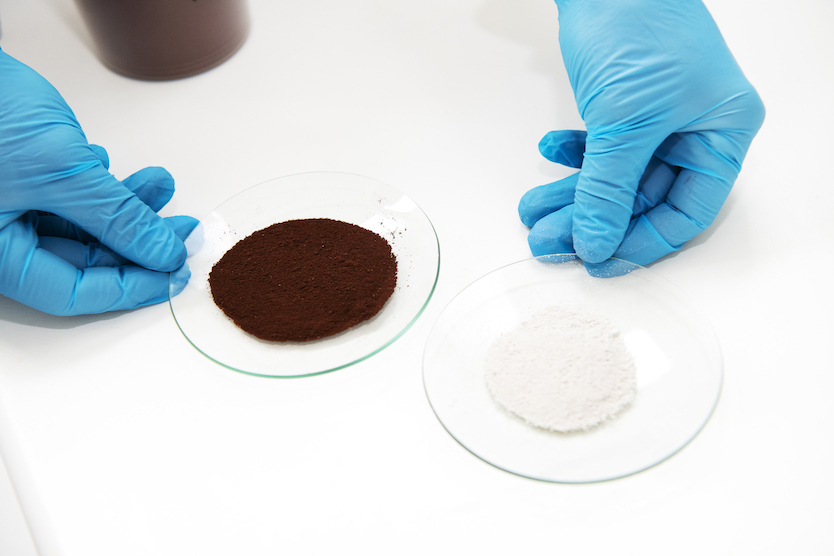
What if a single bathroom break could help grow our next meal, reduce climate emissions, and clean up our waterways? Sanitation360, a Swedish startup launched in 2019, is turning this idea into reality with a circular sanitation system that transforms human urine into safe, climate-positive fertilizer. By capturing and recycling the nitrogen and phosphorus in urine, the initiative is tackling some of the most pressing challenges in modern agriculture—nutrient pollution, fertilizer dependence, and unsustainable wastewater treatment.
Globally, the production and use of synthetic fertilizers is one of the largest sources of greenhouse gas emissions in agriculture. It also depends on finite resources and contributes to the degradation of ecosystems through nutrient runoff. Sanitation360 captures nutrients before they become pollutants and returns them to the soil in a usable, hygienic form. Historically, civilizations from ancient China to 19th-century Paris recycled urine for farming. Sanitation360 revives this practice using modern science and design.
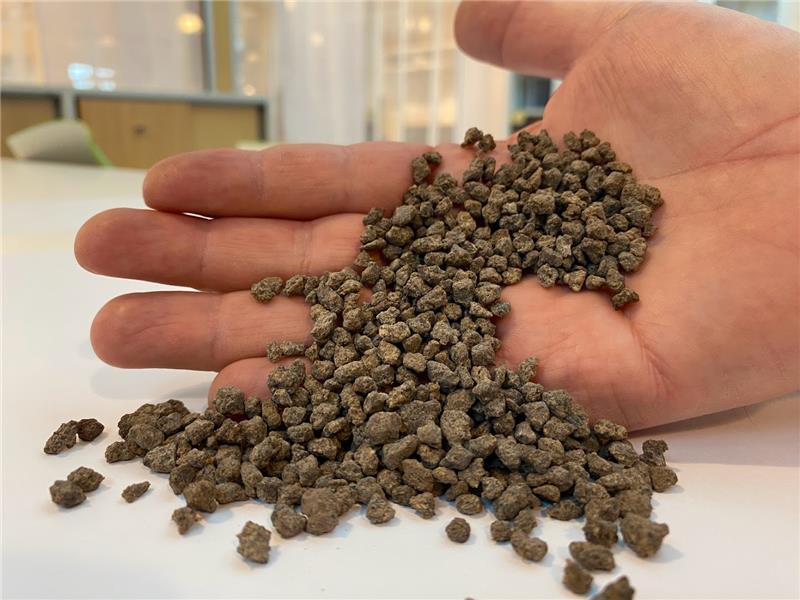
At the heart of their innovation is the Kissamaja®, a unisex dry urinal designed for speed, hygiene, and inclusivity. Installed at major festivals, sports arenas, and public events across Sweden, these toilets collect urine at source, before it’s diluted or contaminated in wastewater systems. The urine is then stabilized, dried, and processed into Granurin, a granular fertilizer that can be used directly on farms with conventional equipment.
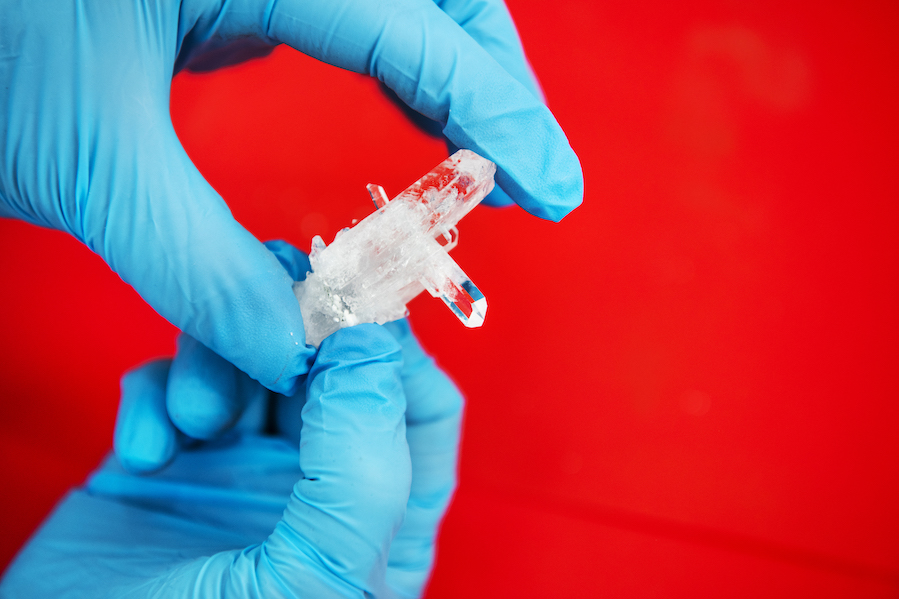
Inside the Kissamaja.
According to the initiative, this approach captures around 80% of the nitrogen and 50% of the phosphorus in domestic wastewater. In doing so, it prevents these nutrients from entering rivers and oceans, where they can cause eutrophication and dead zones. It also significantly reduces pressure on aging wastewater infrastructure. A 2025 life-cycle assessment showed that diverting urine can reduce wastewater-treatment-plant pollution, lowering contributions to marine eutrophication by over 50%, acidification by 45%, and global warming potential by 20%.
Sanitation360 has demonstrated its model at scale, collecting over 50,000 liters of urine from public events and working with farmers to grow barley fertilized with Granurin. In one EU-funded project, this barley was brewed into beer, a tangible example of circular economy in action. The company is also piloting permanent installations in buildings and exploring export opportunities in countries such as South Africa and Guatemala.
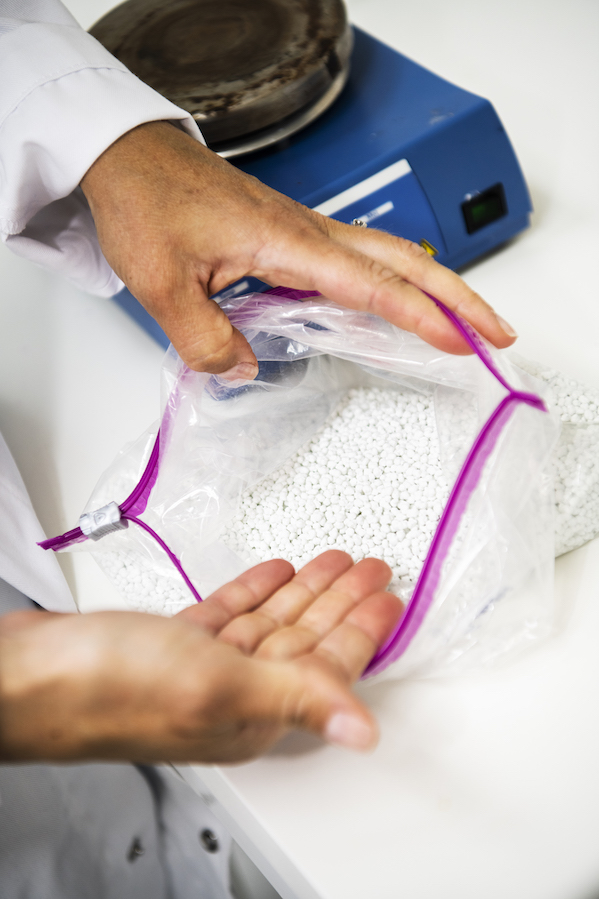
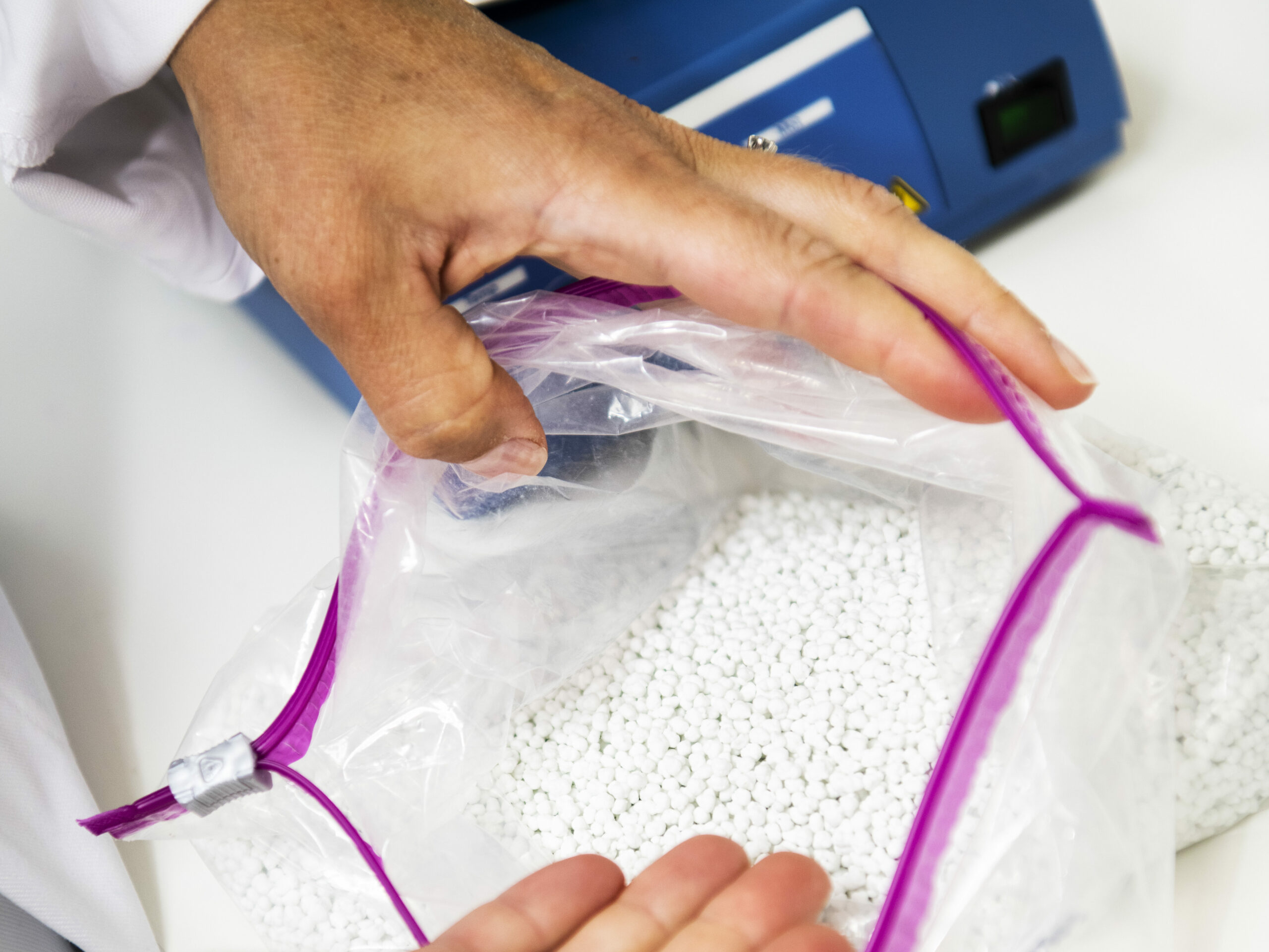
S360s urine fertilizer granules.
The initiative’s ambitions are equally bold. By 2035, it aims to equip over 200 arenas across Europe with its urine collection systems, establish Kissamaja® as a standard in mobile sanitation, and secure EU regulations that support nutrient recycling in new buildings. It is also developing a new food label, LEIF (Low Environmental Impact Fertilizer), to certify products grown with circular fertilizers and encourage market adoption.
Sanitation360 sees its work as essential to staying within planetary boundaries. Each person produces enough nutrients daily to grow the grain for a loaf of bread, yet most of the nutrients in urine get flushed away and end up polluting waterways instead of growing food. By turning that waste into a local, renewable fertilizer, Sanitation360 is not just closing the nutrient loop. It’s building a more resilient, climate-smart food system from the ground—and the bathroom—up.
Written by Sarah Souli Photos provided by Sanitation360
Country: Sweden
A small reactor in Uppsala may hold the key to cutting the fertilizer industry’s massive carbon footprint—by replicating nature’s own nitrogen fixation process.
UPPSALA, Sweden –
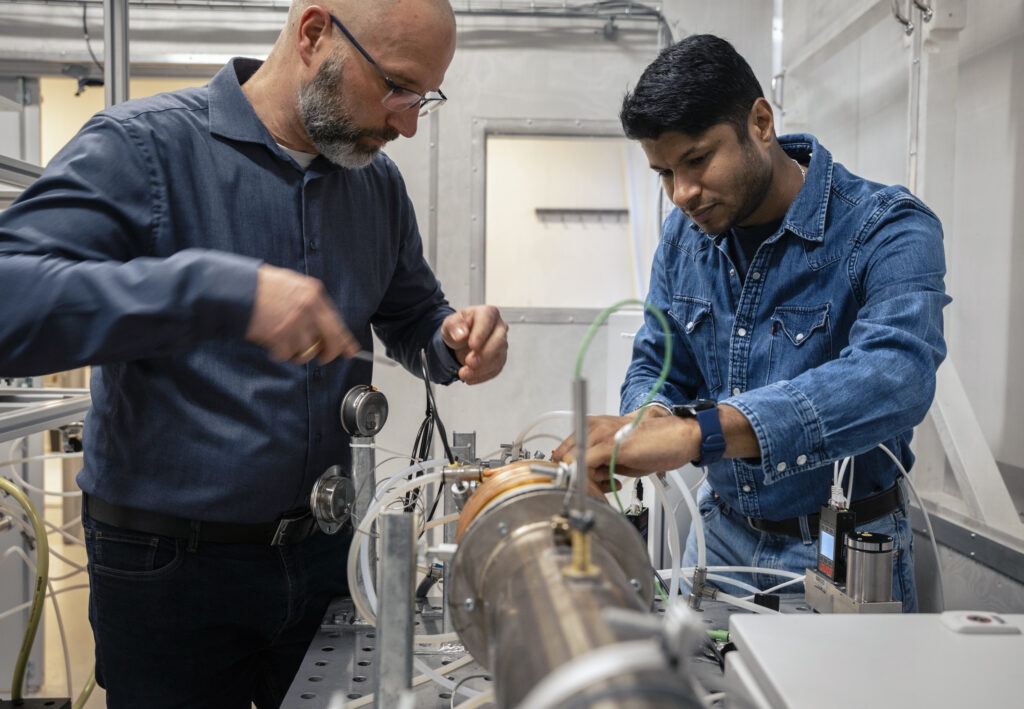
On a January morning in the Swedish university town of Uppsala, a group of scientists gathered in a laboratory within a modest cluster of buildings known as the Green Innovation Park and activated a small electromagnetic reactor. They watched through a window as the reactor, enclosed in a hermetically sealed room, began to heat up, cycling plasma and gases through an intricate system of tubes and machinery that has the potential to reshape the future of agriculture.
“See where the tubes are coming out like a flower around the reactor? It’s extremely intense inside,” said Gustaf Forsberg, the Swedish physicist-turned- startup-founder who dreamed up the core technology behind the reactor. “The temperature in the plasma, we cannot measure it, but we know it goes above 3000 degrees. Look, there is a little fluorescence coming out on the lower left house.”
“If we hadn’t just changed the adaptor, you’d see florescence coming from the tubes,” said Sankha Nanayakkara, a young scientist who became obsessed with electromagnetics as a child when his father’s ice cream shop in Sri Lanka kept being struck by lightning. Nanayakkara is part of the 20-person team behind NitroCapt, the company Forsberg founded in the belief that it could represent a watershed moment for the global food system.
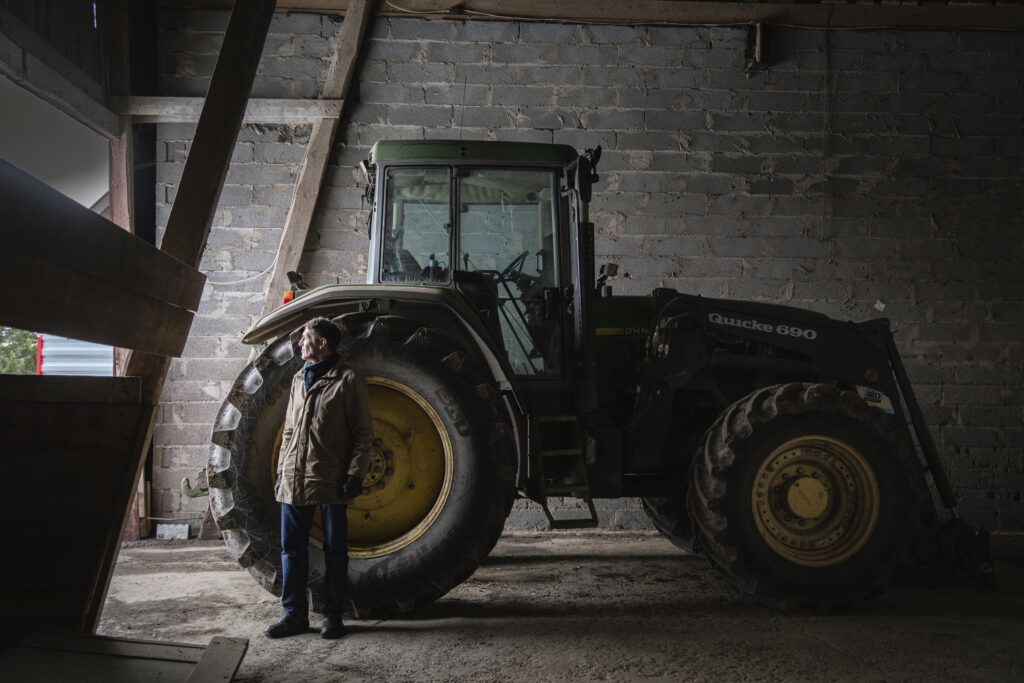
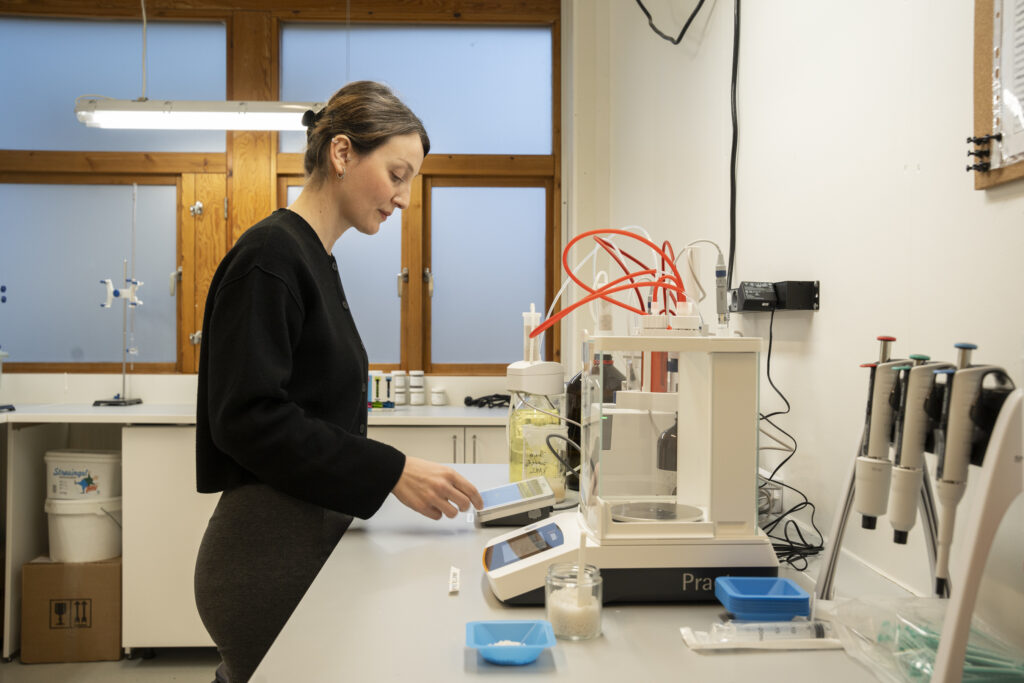
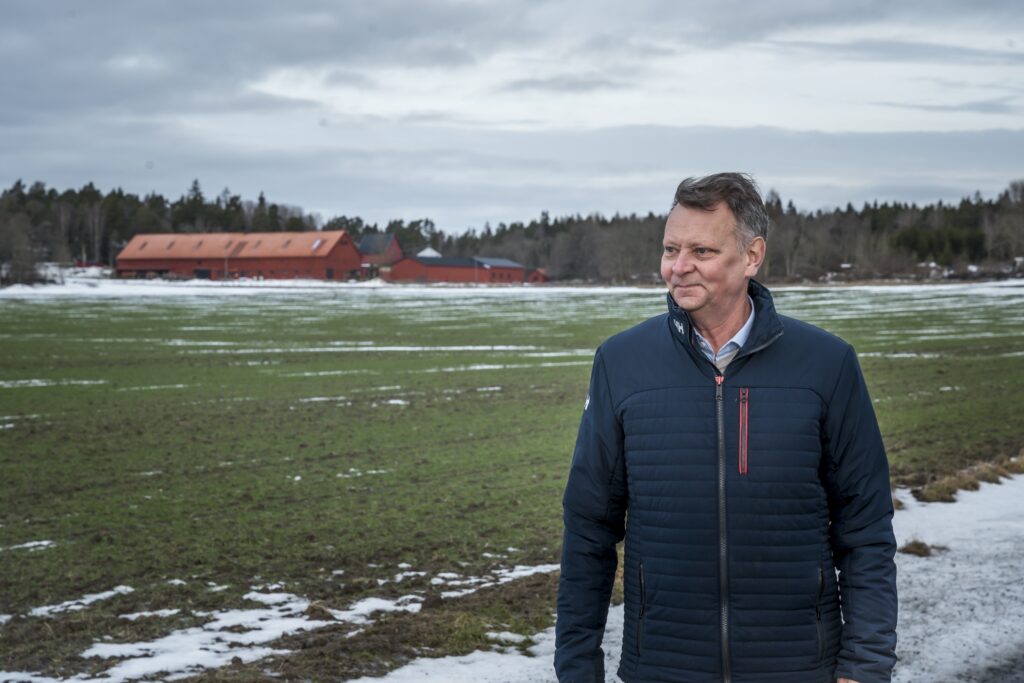
NitroCapt reactor lab, Martin Porstendörfer and Sankha Nanayakkara, working with the technology in the lab in Uppsala. Gustaf Forsberg next to his tractor at this family farm in Ransta, Sweden. He has been able to test out Nitro Capt on his own farmland.
The process inside the reactor room is producing nitrate, a key component in fertilizer. This technology, which uses plasma to break apart nitrogen molecules, mimicking the way lightning naturally fixes nitrogen in the atmosphere, has the potential to revolutionize the fertilizer industry, which is currently responsible for around 2.7 percent of global carbon dioxide (CO2) emissions.
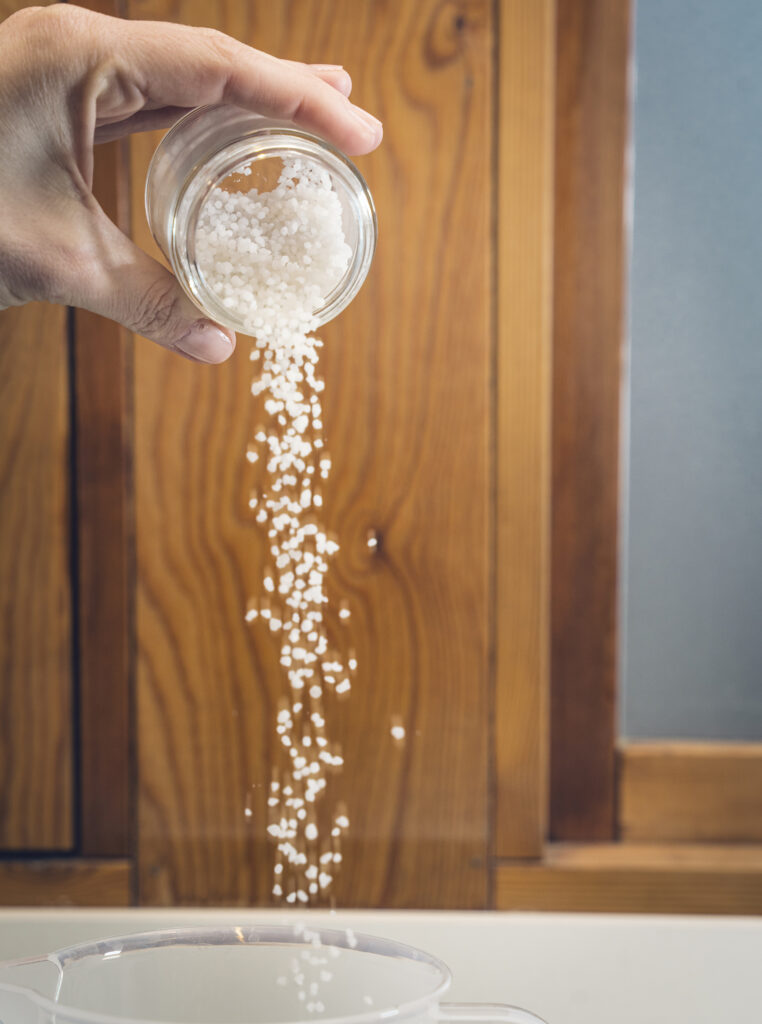
Aysu Kayalıoğlu in NitroCapt’s Fertilizer lab, pouring some granulated fertilizer into a container before testing the water content.
“That’s the same range as the entire aviation industry,” says Forsberg. “Most people are aware of the impact of aviation, and not so many are aware of this.” It’s a staggering statistic. The very thing that feeds the world, that props up agriculture from Kansas to Kenya, does as much damage to our planet as all the planes in the sky. For decades, this has been the price of abundance. Nitrogen fertilizers have helped sustain billions, yet their production depends on fossil fuels, belching out carbon at an astronomical scale. But what if that price didn’t have to be paid?
That’s the proposition behind NitroCapt, which aims to disrupt one of agriculture’s biggest carbon culprits. Its proprietary technology uses only oxygen, water, and renewable energy to fix nitrogen directly from the air, eliminating the need for hydrogen, a costly and energy-intensive component in traditional fertilizer production. This breakthrough makes the process far more sustainable than both conventional ammonia-based fertilizers and emerging green hydrogen alternatives. If the technology can scale, it could not only slash emissions but also change the balance of global food security.
“There are grey alternatives with a decent price, and there are green alternatives that are still quite far from cost-efficient,” says Forsberg. NitroCapt, he explains, is “the only alternative which is both green and exceptionally cost efficient.”
Forsberg, a charismatic, slightly eccentric figure, isn’t your typical startup founder. He grew up on a farm in Sweden, still cultivates grains on his family’s century-old farmstead, and speaks about electromagnetics with a childlike enthusiasm. Before starting NitroCapt in 2016, he was one of the key people behind ThermoSeed, which pioneered a chemical-free alternative for seed disinfection, reducing the industry’s reliance on pesticides.
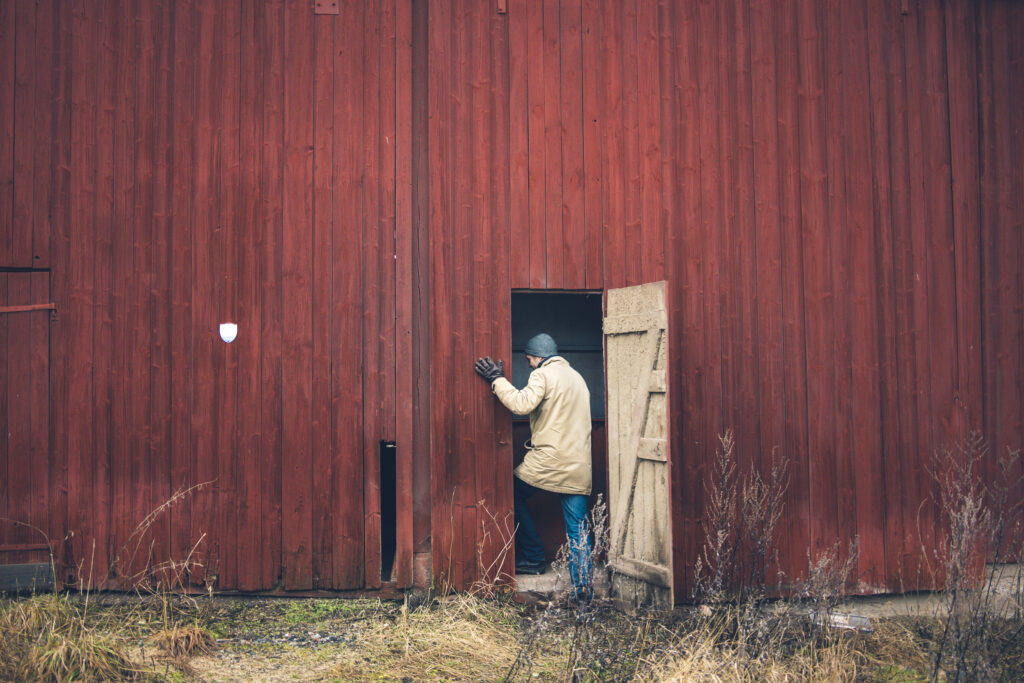
Gustaf Forsberg walking into one of the barns on his family farm in Ransta, Sweden.
Forsberg came up with the idea that led to NitroCapt while contemplating an entirely different topic: a process used by the combustion industry to combat acid rain, which involves removing nitrogen from the atmosphere.
“As an agronomist and a farmer, I felt that that’s a big waste of nitrogen,” he says.
Forsberg brought the idea to his former colleague, Peter Baeling, who offered indispensable advice, leading to the incorporation of electrically generated plasma. Through a series of investigations, the two ended up with the process behind NitroCapt’s core technology. They went on to become co-founders of the company.
NitroCapt’s pilot reactor has been running in their Uppsala lab since early 2024, and space is already set aside for their first commercial-scale reactor. Here, the team has been refining their process, ensuring their system is not just functional but modular and scalable. And while the technology is still at a pilot scale, interest is growing. The company has already secured 9 letters of intent for 33 full-scale production units, representing a future commercial value of more than €1 billion—a sign that the industry is paying attention.
Aysu Kayalıoğlu in Nitro Capt’s Fertilizer lab, testing the water content of the fertilizer.Gustaf Forsberg at one of his fields.
A Cleaner Alternative to Conventional Fertilizer
Despite its outsized contribution to the warming of our planet, the fertilizer industry flies under the radar. “Even as a farmer, one doesn’t think much about where nitrogen fertilizers come from and how they affect the environment,” says Henrik Lillje, a Swedish farmer and crop consultant. “But you scratch the surface, and you see that they are causing a huge amount of emissions.”
The problem lies in how nitrogen fertilizer is made. Since the early 20th century, the Haber-Bosch process has been the foundation of industrial agriculture, pulling nitrogen from the air and turning it into ammonia using massive amounts of natural gas. The result is a product that brings necessary plant nutrients into fields, lending them high productivity but at the price of a massive carbon footprint.
And yet, the world has grown to depend on it. Synthetic nitrogen fertilizers led to enormous yield increases during the Green Revolution and are a key component of modern conventional farming systems. Without synthetic nitrogen fertilizer, global food production would plummet by close to 50 percent if no alternatives were used, meaning we could only feed a fraction of the planet’s current population. The industry itself is massive—with an annual sales value of more than $80 billion—and deeply entrenched in geopolitics.
The geopolitical nature of the industry came to the fore in the wake of Russia’s invasion of Ukraine, when fertilizer prices skyrocketed, exposing just how fragile the global supply chain is.
“There’s an urgent need in developing countries for domestic production of fertilizer,” said Kristina Mastroianni, a consultant who has worked for on large-scale agricultural development aid projects and sees enormous potential in NitroCapt’s model. “The opportunity I see here with their modular system is that they can be placed anywhere,” she says. “You can have smaller entities that supply the region to avoid supply chain issues.”
For smallholder farmers in developing nations, access to fertilizer is precarious and unaffordable. Recent supply chain issues, Mastroianni explains, “have had great impact everywhere, but a much higher impact on the poor farmers in these countries. They don’t have access at all to something that is life or death.”
By decentralizing production and cutting reliance on fossil fuel-based fertilizers, NitroCapt’s model could provide a way for countries to secure domestic production, insulating them from market volatility. With 80 percent of nitrogen fertilizer currently produced in a handful of politically fraught regions, the ability to produce fertilizer locally would be a game-changer.
Henrik Lillje, the Swedish farmer, is skeptical but hopeful. “It’s a beautiful product… It’s almost too good to be true,” he says. “If they can make it economically competitive, I would say it should sweep the market.”
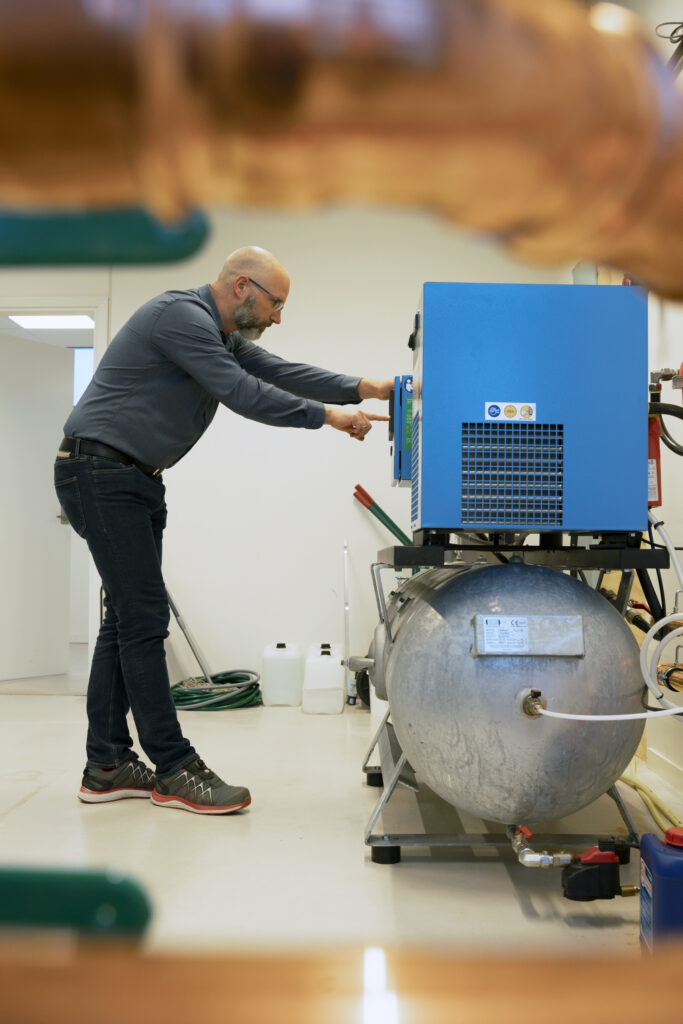
Martin Porstendörfer, R&D manager at NitroCapt, works on the cooling technology of the reactor in the lab.Photographed through the copper pipes that run from the reactor room to the cooling room.
Can Green Fertilizer be Competitive in the Market?
That’s the key question: Can they make it competitive? Right now, green fertilizers are more expensive to produce than traditional ones, largely because of the high cost of green hydrogen, the usual alternative to fossil fuel-based ammonia production. NitroCapt’s method, however, bypasses hydrogen entirely by converting oxygen and nitrogen from the air into nitrate through a plasma-chemical process. The hope is that once the company reaches industrial scale, its costs will drop below traditional methods.
Forsberg explains that NitroCapt’s roadmap focuses first on scaling the technology from small to large-scale production, a step that will already make them competitive in markets like Europe. Over the next few years, NitroCapt plans to increase energy efficiency further by integrating advanced heat recovery technologies.
He sees an even greater shift ahead. “When we go to these levels, there will not be any reason anymore to produce fertilizer with any other technology,” says Forsberg. “This is basically zero-emission from the nitrogen fixation process,” he says. “And in addition, we are making the best fertilizer for agriculture, because ammonia-based fertilizers acidify the soils, whereas the pure nitrate- based fertilizers slightly increase the pH of the soil. They are actually increasing, successively, the fertility of the soil.”
In an era where sustainability is the watchword, NitroCapt represents a huge opportunity. The European Union has introduced policies like Red III, which mandates that 42 percent of fertilizers in Europe be green by 2027. But skepticism runs high. “No one believes this will be possible,” says Björn Lindh, NitroCapt’s strategy director. “They put their heads in the sand.”
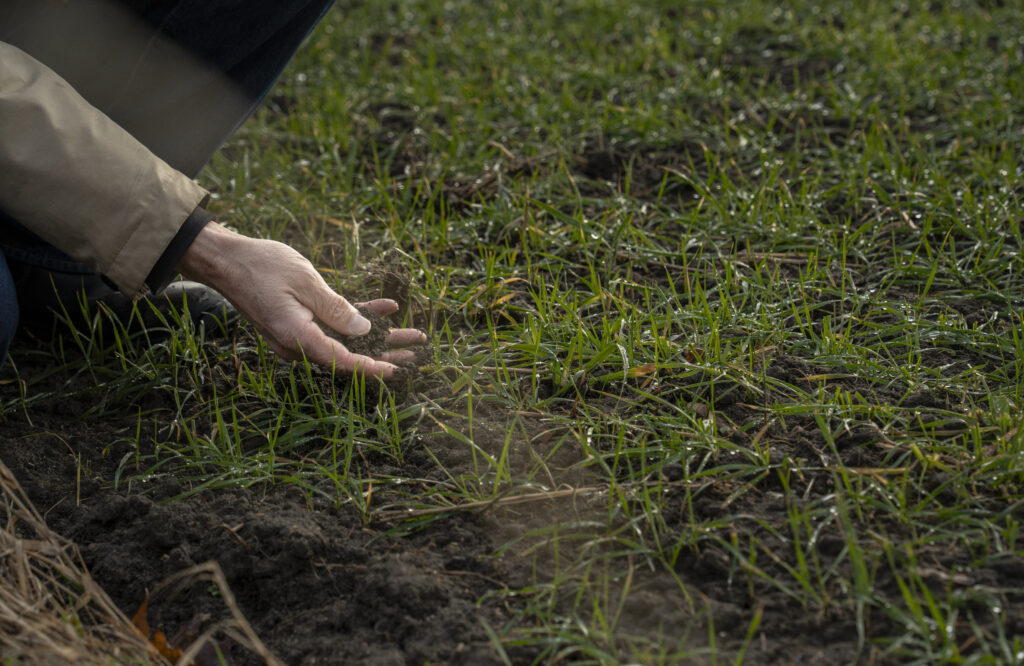
Farm fields in Nysätra.
Forsberg is well aware of the skepticism. The fertilizer industry is dominated by giants who have been operating the same way for a century, and they aren’t eager to upend their model. “There are hundreds of announcements about green fertilizer plants,” says Lindh. “But to my knowledge, no one has gotten funding.”
Why? Because they aren’t yet able to be competitive in the market. Even with looming regulations and carbon taxes, many producers are making the calculation that it’s cheaper to take the fines than to invest in a technology that will significantly increase production cost.
An Unstoppable Innovation
But Forsberg and his team believe they have something that changes the equation. Their reactors are already operational, producing nitrogen fertilizer with a radically lower environmental impact. With a first commercial unit on the horizon and interest from major agricultural players like VIVESCIA, a French cooperative that supports 9,000 farmers and oversees 750,000 hectares of farmland, NitroCapt’s moment may be coming faster than even Forsberg anticipated.
Forsberg knows the road ahead is steep, but he believes the momentum for green innovations like NitroCapt is unstoppable.
“The sustainable technologies will become more competitive. It will go the right way. The question is just how many bumps we shall jump over,” says Forsberg. “Ultimately, I’m optimistic.”
The alarm bells have been sounding for a long time around climate change. Less widely recognized is the growing concern about declines in soil health. While these issues may seem separate, they are deeply interconnected. But for now, let’s focus on climate. As a global community, we have less than seven years to halve our emissions to avoid the worst climate change effects—and even that won’t be enough. We need to immediately start sequestering carbon dioxide from the atmosphere.
Svensk Kolinlagring is on a mission to help us. The initiative is presented as Sweden’s first carbon farming program, transforming the food system towards agroecological farming. They have built a system that pays farmers for sequestering carbon from the atmosphere and storing it in the soil. Their business model aims to create a regenerative economy that contributes positively to the environment and society, by using carbon as a proxy to address a range of interconnected challenges. The solution shifts the focus away from mere compensation and carbon offsetting; instead, it emphasizes responsibility. Partners won’t be able to just “offset” their carbon—they will have to actually make a change.
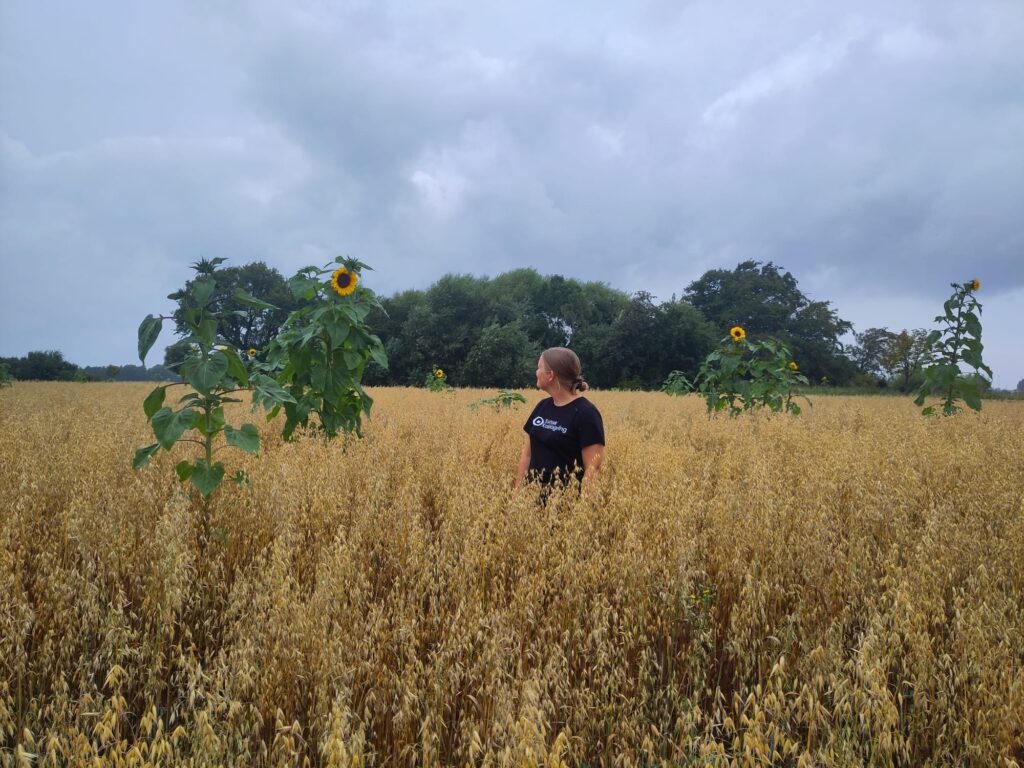
The initiative functions as a living lab, where through economic incentives, knowledge sharing, collaboration, and research, participants work towards carbon-sequestering agriculture with added values such as increased soil health, biodiversity, and improved conditions for Swedish farmers.
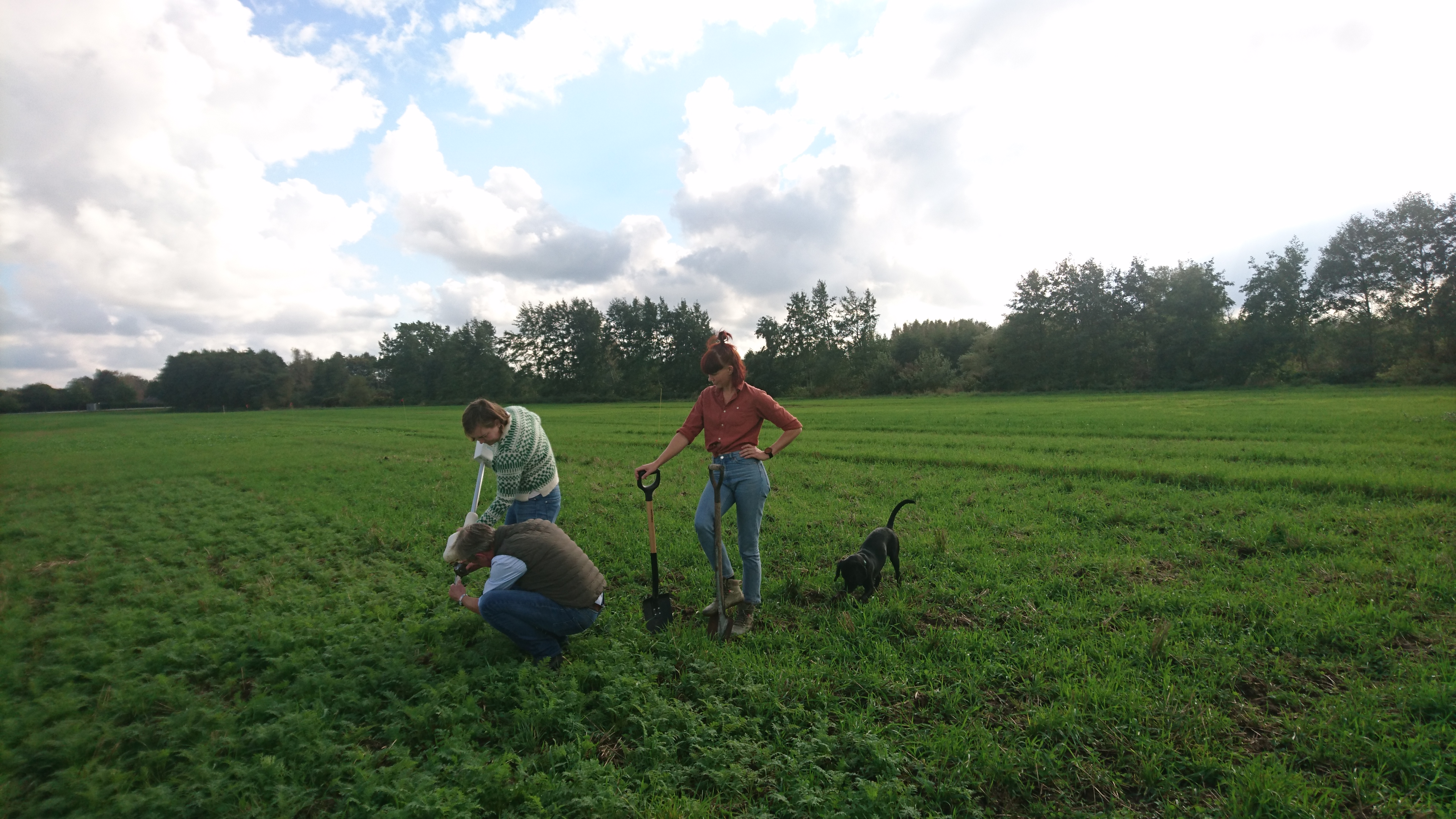
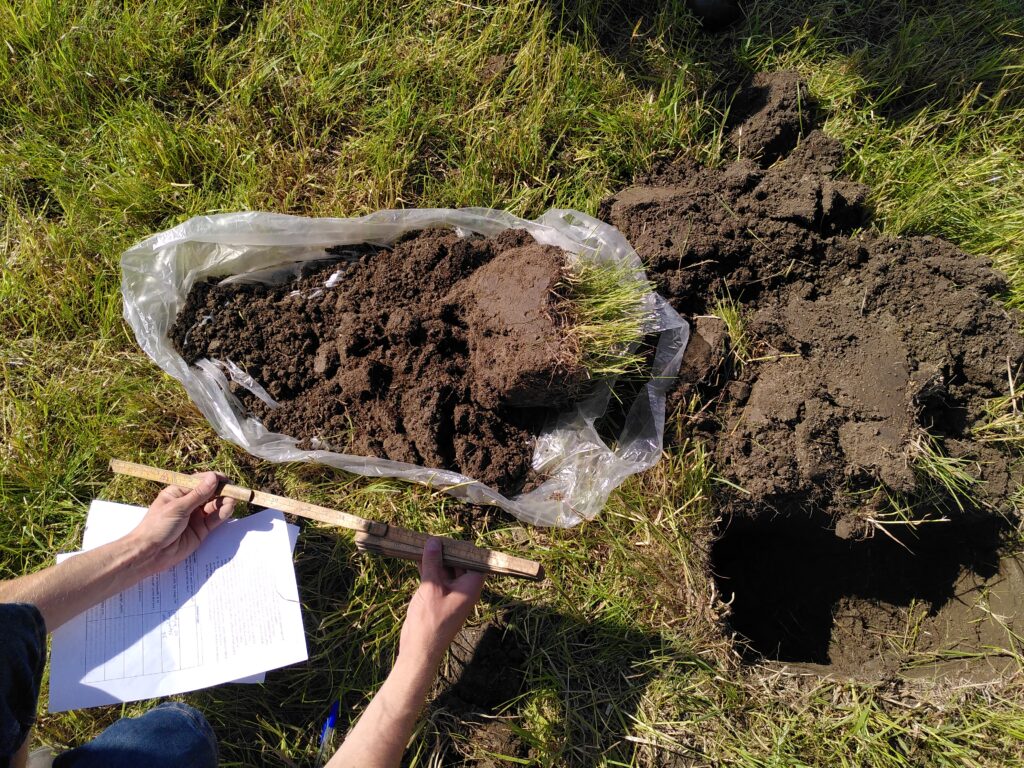
Soil carbon is an indicator of soil health, and necessary for growing food. Adequate levels of carbon in soil provide better water retention, increased fertility, and resilience. Moving carbon from the air to the soil is the initiative’s entry point, a way to also work with biodiversity, nitrogen and phosphorus cycles, water issues, climate adaptation, resilience, and favorable economic conditions in agriculture. The initiative started in 2018, launched their first pilot round in 2020, and are currently setting up five-year harvest cycles on an increasing number of farms.
Svensk Kolinlagring claims that the biggest hurdle is that farmers do not have enough incentives to transition to carbon sequestering practices, nor is there a process of collaboration that facilitates the transition. Since the infrastructure—farmers and arable land—is already in place, Svensk Kolinlagring focuses on creating the incentive. Unlike other organizations working on carbon sequestration as a revenue for impact investors, Svensk Kolinlagring states they have a mission-driven approach and work with inclusive stakeholder collaboration. They have also developed their own framework to ensure credibility and effectiveness, which includes a set of criteria to measure and verify the impacts of various practices over time on a systemic level.
Around 40 farms across Sweden are already active with 100 waiting to join. By 2024, roughly a hundred companies had committed to make contributions by buying carbon credits and transformation credits, or by financing the initiative’s educational platforms or the establishment of new research sites.
Where many others focus on reductionist methods and models, the initiative is convinced that the farming system needs to be treated and modeled as the complex living system that it is. Their standards are designed to be additional, ensuring that sequestration efforts provide and long-term benefits for all stakeholders. Finally, Svensk Kolinlagring employs the “doughnut economics” framework, which combines planetary boundaries with social foundations. Ultimately, Svensk Kolinlagring works for a long-term transition to agroecological, carbon-storing, and regenerative farming practices—a food system within planetary boundaries.
Written by Sarah Souli Images provided by Svensk Kolinlagring
Country: Sweden
What if there were meat alternatives that tasted just as good as the real thing? Same texture, flavor, consistency—would that make more people switch to meat-free options? The Swedish company Millow thinks so. For the past twenty years, they’ve been perfecting their sustainable technology which they claim produces clean-label, minimally processed, nutritious vegan food with superior texture/taste at consumer-friendly prices. The secret ingredient? Mycelium.
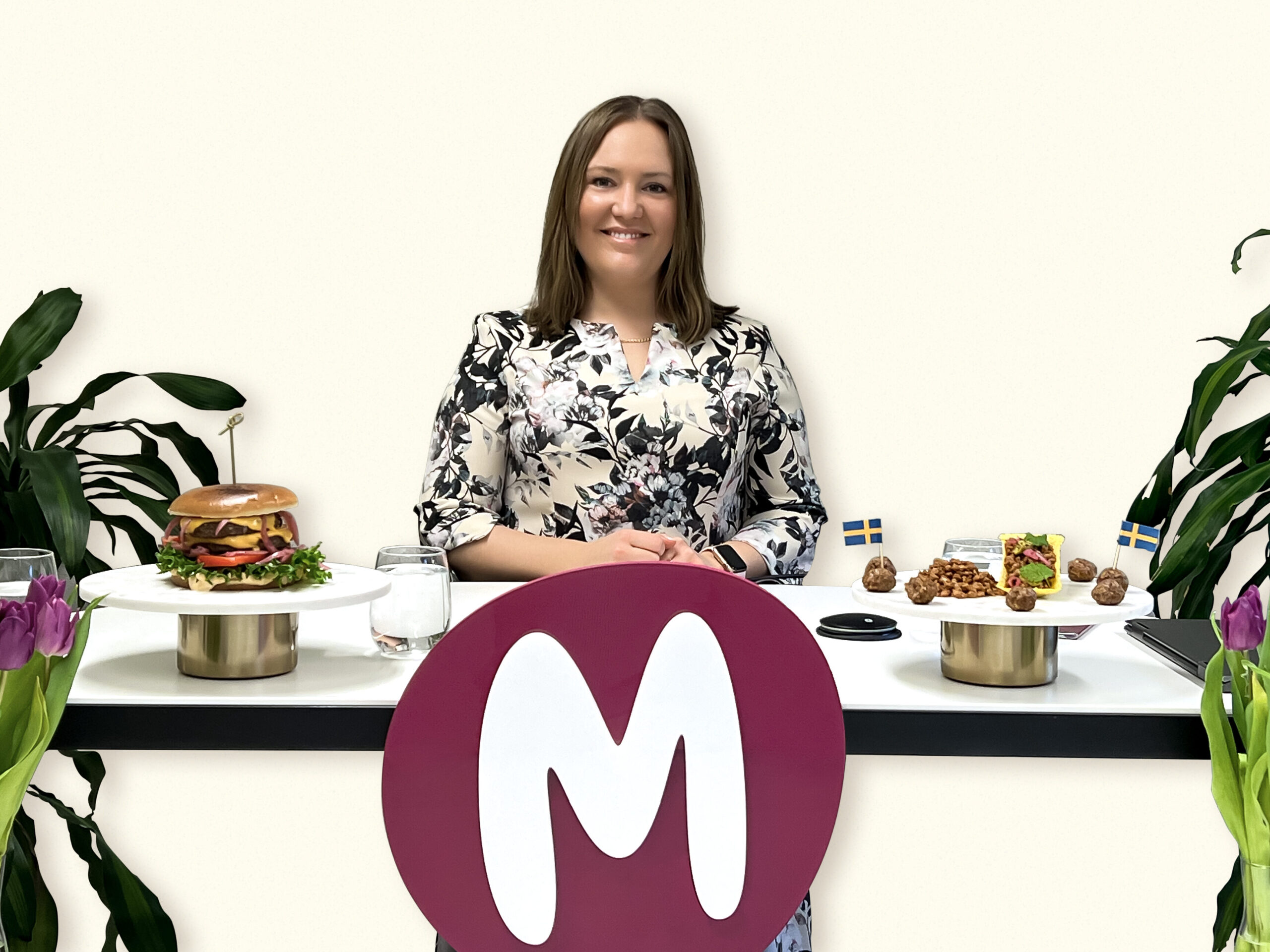
Chief Product Officer Dr. Coralie Hellwig showing the Millowburger and Millow “meat”-balls as well the Millow minced “meat”.
Millow’s technology leverages mycelium’s properties to create a texture that remains intact when boiled or baked. A lot of vegan foods can taste a bit off—too vegetable-y, or just a bit strange, especially for consumers who are not themselves vegans and thus are accustomed to the texture of meat. According to the initiative, their products have a neutral taste that can be tailored to any flavor. Millow says their products offer complete nutrition, including protein, amino acids, fatty acids, vitamins, minerals, and fibers, with bioavailable vitamins and minerals.
Millow states that their production process saves energy, carbon dioxide (CO2) emissions, and water compared with animal-based products like beef, and compared with other vegan offerings like soy-based products and other mycelium-based products such as Quorn. Switching to meatless options is a vital piece of the solution to our growing climate crisis. According to FAO data, 14.5% of all human-caused greenhouse gas emissions are attributable to livestock farming, an industry that emits not only CO2, but also methane (CH4) and nitrous oxide (N2O).
The global population is growing, and food demand, especially for meat, is expected to increase by 60% in the next twenty-five years. Additionally, water, a key component in livestock farming, is increasingly scarce. 2500 out of the 3000 liters of fresh water we use daily come from our food consumption. Beef is particularly thirsty; according to the World Economic Forum, beef requires 15.5 m³ per kilogram of beef produced, a wildly unsustainable ratio. According to the initiative, compared to beef, Millow’s process saves 97% of CO2 emissions. Unlike traditional wet fermentation, Millow’s dry fermentation technology produces no waste, requires only 2.3% of the water, one-third of the energy, and one-third of the capital expenditure, reducing CO2 emissions by 90%.
Millow’s patented technology integrates unique hardware (a bioreactor) and AI-driven software, designed for cost-efficient scaling. The bioreactor is fed with a combination of plant-based substrate and mycelium spores, producing a complete food product in less than 24 hours. The output can be shaped like a meatball, burger, steak, minced meat, or non-animal shapes. Minimal processing is required, depending on the final product. Already, Millow has collaborated with major food manufacturers both in the Nordics and internationally. From fungi to burger, Millow is here to start a food revolution.
Could an all-natural steam seed treatment replace mainstream agricultural chemical treatments? ThermoSeed thinks so.
UPPSALA, Sweden –
When Bjørn Stabbetorp, CEO of the Agricultural Division of the Norwegian agriculture co-op Felleskjøpet, began approaching farmers in southern Norway in the late 2000s to convince them to use an all-natural steam seed treatment coming from their Swedish neighbors, he was met with mixed responses.
“Some farmers bought the argument that it would be good to use less chemical products,” he says. “But others were more skeptical about ‘natural treatments.’ They wanted to stick with what they knew.”
At the time, the burgeoning Swedish seed treatment company ThermoSeed was promising a new, novel technique that could protect Norway’s crops from pests and pathogens and better safeguard the health of their environment and farm workers. But even some environmentally minded farmers were doubtful. At the time, seed treatments were considered a chemical process.
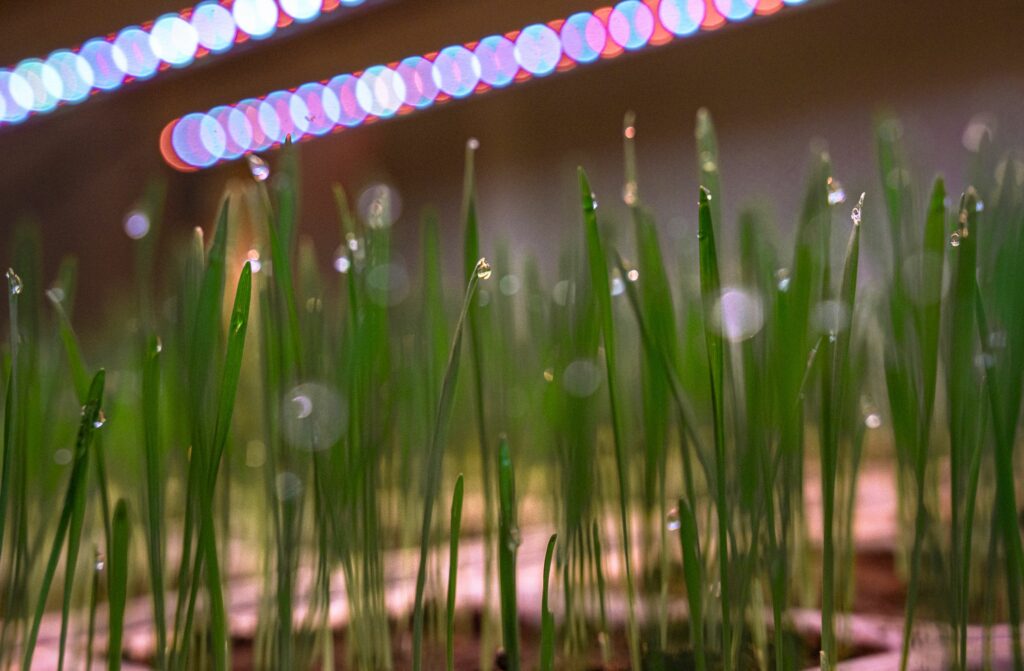
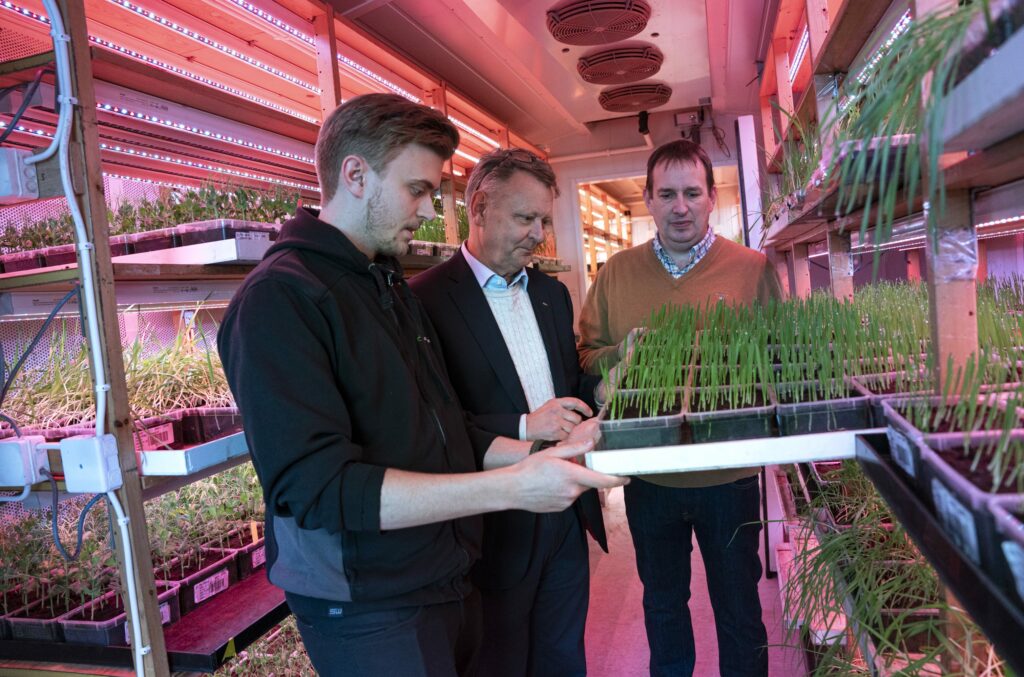
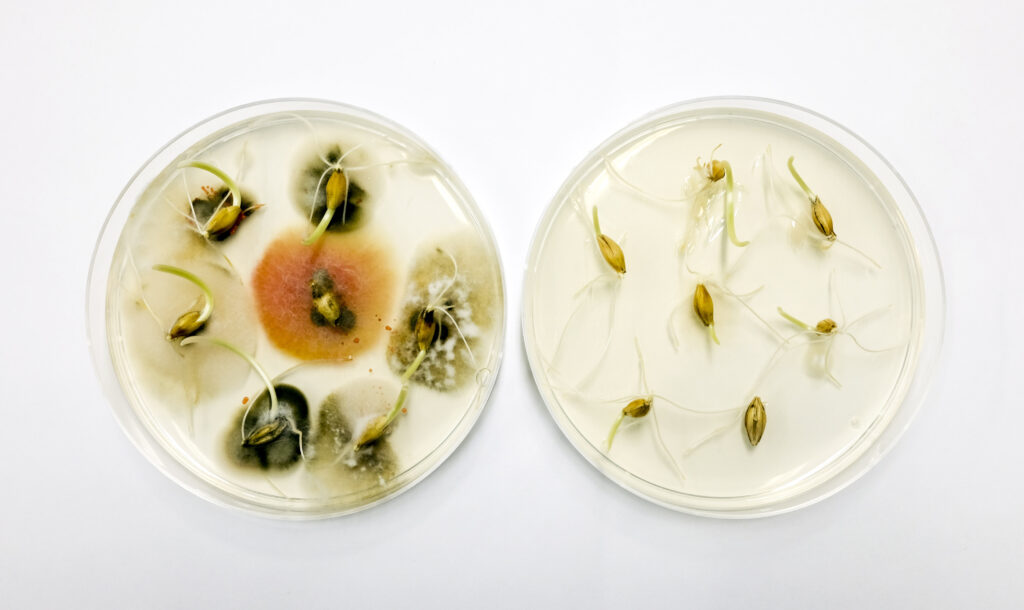
Droplets of water collect on the top of wheat sprouts. These samples in the climate chamber have been treated with ThermoSeed recipe, at the company’s laboratory on the SLU, Swedish University of Agricultural Science Campus. The chamber is 90% humid 18–25C and it takes 2 weeks for sprouting.
Felleskjøpet evaluated ThermoSeed’s proposition for six years before finally deciding to test their product in 2012. When farmers went to harvest their oats that autumn, their yields were plentiful.
“It worked,” says Stabbetorp. “Now, we try to use ThermoSeed on as many of our seeds as possible.”
ThermoSeed is a Swedish innovation that started from a simple but powerful idea: we can treat seeds, protecting them from pests and pathogens, using nothing but hot, humid air. The goal? To replace pesticides with an all-natural technique, eliminating hazardous agrochemicals from our environment. Since ThermoSeed began operating fifteen years ago, they have protected the region’s rivers, lakes, and soils from an estimated 3,000 cubic meters of chemicals that would have been applied to seeds had ThermoSeed not existed. If scaled up, steam seed pasteurization has the potential to not only replace pesticides but also make crops more productive throughout the globe.
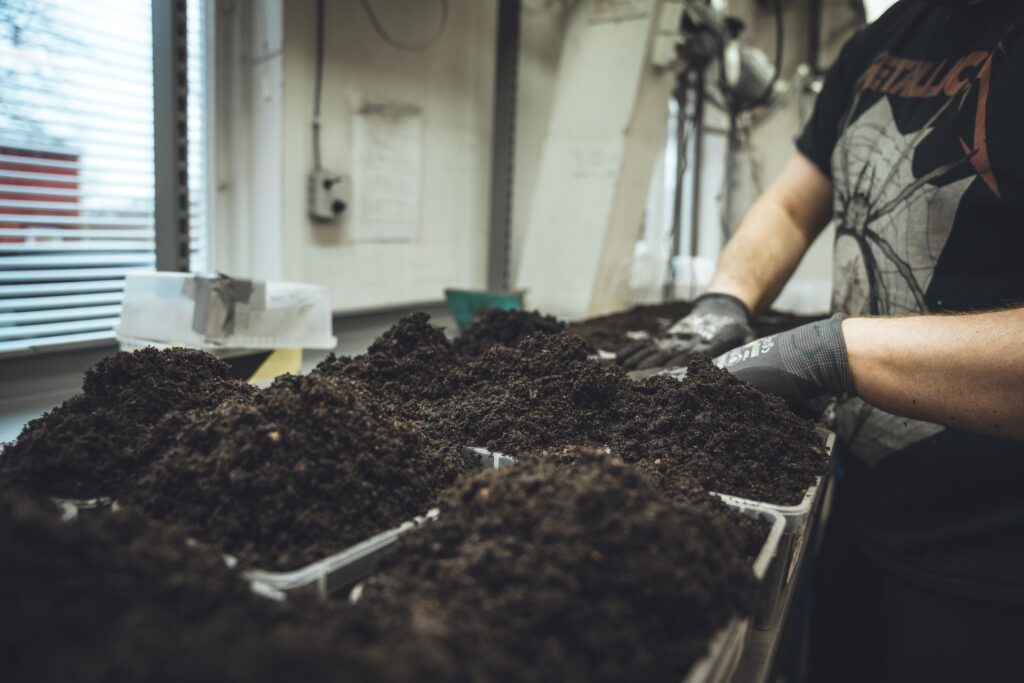
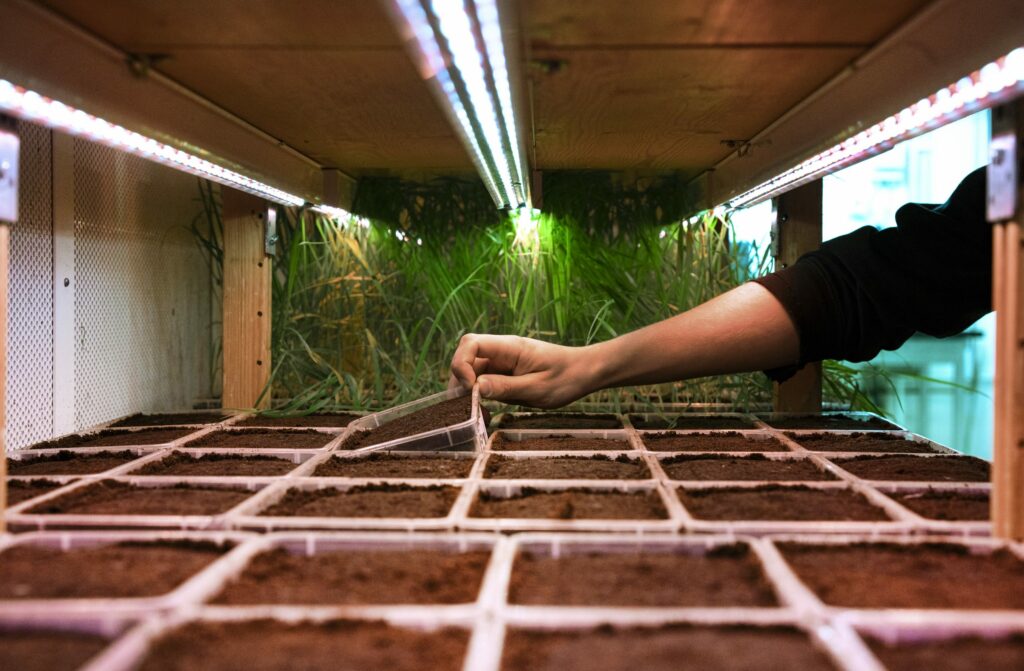
Employee of Lantmännen BioAgri AB/ThermoSeed, preparing soil for seeds treated with ThermoSeed recipe at the company’s lab- oratory on the SLU, Swedish University of Agricultural Science Campus.
“The ThermoSeed treatment is as effective at killing off pests as any chemical alternative,” says Stabbetorp. “But ThermoSeed has some extra benefits: no exposure to chemical pesticides.”
It’s a freezing Tuesday morning, and Kenneth Alness, the innovator behind ThermoSeed, is driving us through the Swedish countryside. The sun, out for only a few hours in early January, lights up the red wooden houses dotting the snow. As we drive, Alness points out his homeland’s historical sites: the wooden hut where Viking kings were selected, a ridge formed during the Ice Age dividing Uppsala from Stockholm, and the 12th-century red church where he and his wife married.
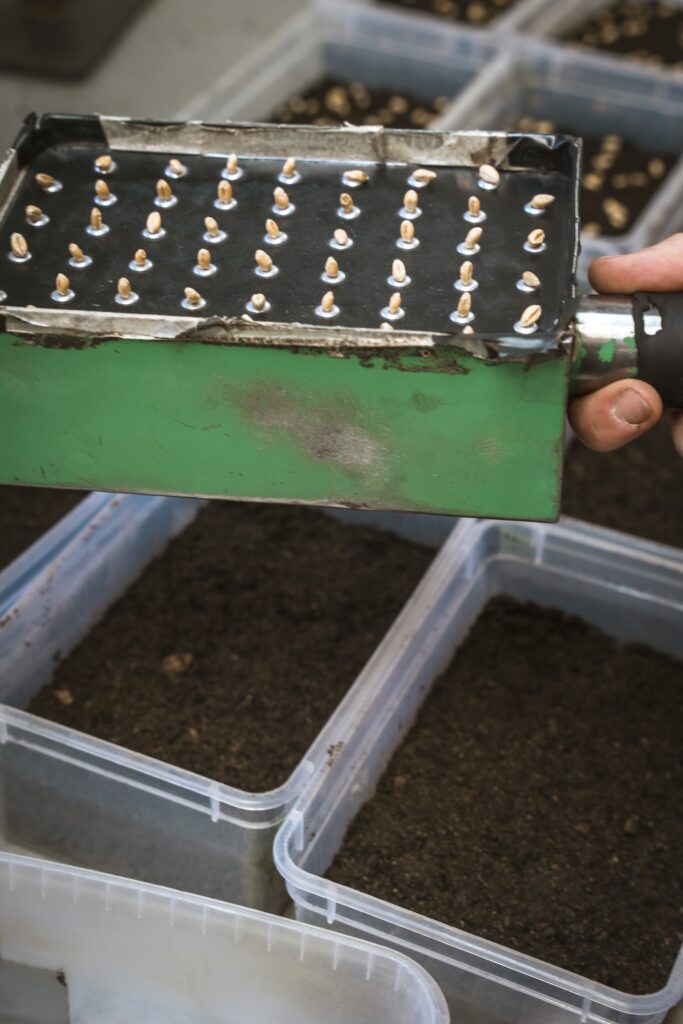
This handheld seed spreader holds the seed samples of wheat varieties ready to be distributed in the soil at the company’s laboratory on the Uppsala University Campus.
From this corner of the world, Alness, 67, has spent his life dreaming up a solution he believes could have global implications: replacing chemical pesticides with steam seed treatments.
The intricacies of seed treatment may seem like a niche topic of interest only to those working in the agricultural industry. But how we treat seeds has far-reaching societal implications on our food, environment, and health.
Today, most crop seeds must be treated to avoid disease and protect their yield potential. Otherwise, there is a high risk of crop failure, which could cause food security issues and bankrupt farmers. For decades, pesticides have seemed like the only option despite their well-documented problems: 22% of European rivers and lakes are contaminated with pesticides, and 84% of participants’ bloodstreams in a recent survey contained pesticides.
Kenneth Alness, the inno- vator behind ThermoSeed, looks out onto Swedish farmland along the road leading to his family home in the little town of Knivsta, Sweden.
This is where ThermoSeed comes in: the natural technique, which involves steaming crop seeds, eliminates chemicals from that part of the agricultural process.
Alness first got the idea for steam seed treatment while visiting his father-in-law in the 1990s. He found a book tucked in the older man’s bookshelf, explaining that seeds were treated with hot water before the rise of agrochemicals in the 1950s. Alness began to wonder: Could we treat seeds with steam?
He hypothesized that we could “bathe” away fungi from seeds by creating a steam sauna that would kill off pests and pathogens. By determining the right amount of seed exposure to hot, humid air, Alness thought that he could immunize seeds from pests and pathogens while also improving their growing power. The result would be a tailored humidity “recipe” for each seed lot. Alness and his team tested his theory for a decade, conducting more than forty trials across Sweden, Germany, France, and Italy.
Alexander Alness, son of the founder and employee of Lantmännen BioAgri, Anders Kraff, CEO of Lantmännen BioAgri AB and Kenneth Alness inspect the sprouting wheat. The samples that are growing have been treated with ThermoSeed recipe, at the company’s laboratory on the SLU, Swedish University of Agricultural Science Campus.
His experiments proved promising: the studies revealed that steam seed treatment could be as effective as chemical alternatives and that it resulted in higher crop yields. In Europe, crops that used steam-treated seeds saw a 5-10% increase in yield production. In Mali, ThermoSeed trials increased production by up to 27%.
“We knew we had a new technology that could change agriculture,” says Alness.
Father and son, Kenneth and Alexander Alness, in front of the ThermoSeed laboratory on the SLU, Swedish University of Agricultural Science Campus.
Since entering the marketplace in 2008 with its first full-scale equipment at the Swedish agricultural cooperative Lantmännen, ThermoSeed has been very successful. In Sweden alone, the company estimates they have been able to avoid applying two million liters of pesticides from the environment. Each year, 160,000 tons of seeds globally are treated using the ThermoSeed technique. Though ThermoSeed has a relatively small number of clients, roughly a dozen spread across Europe and North America, these customers are huge conglomerates. In Sweden, 40% of certified seeds come from ThermoSeed. In Norway, Felleskjøpet, ThermoSeed’s Norwegian customer, accounts for 50% of the accredited cereal seeds in the country.
ThermoSeed’s success is partly thanks to changes in European environmental and agricultural laws over the past decade. In 2020, the European Union (EU) approved the Green New Deal, which commits the European Commission to reduce the use and risk of chemical pesticides by 50% by 2030, thus increasing demand for sustainable treatments like Thermoseed.
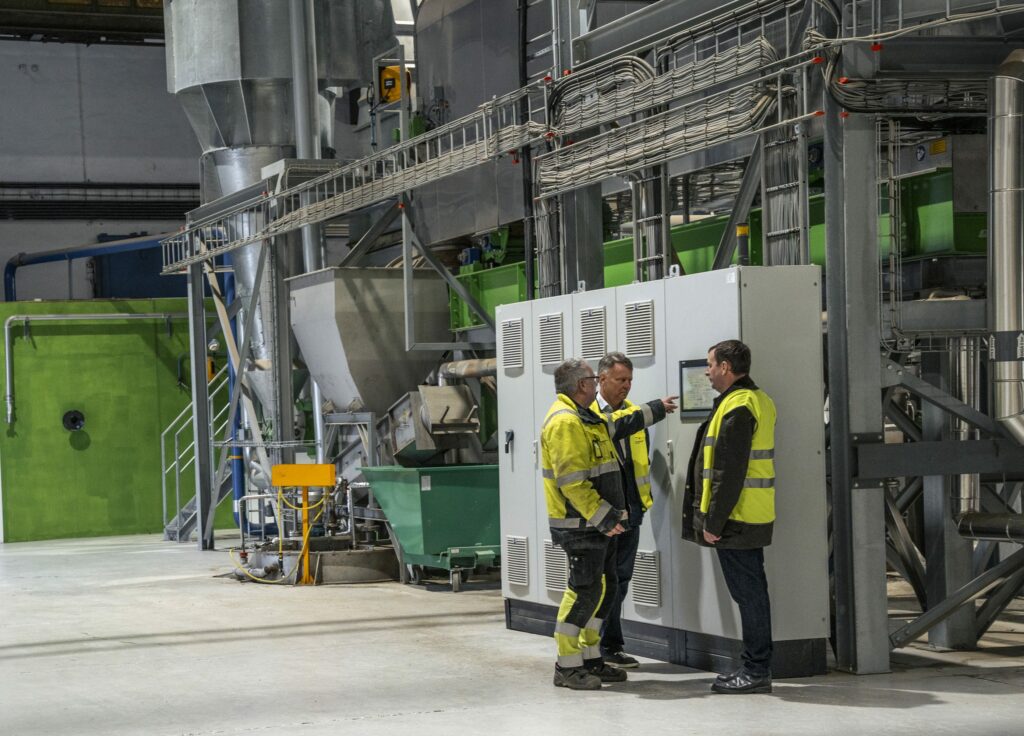
Mike Fransson, Kenneth Alness and Anders Krafft inspecting the large scale ThermoSeed machine that can process 15 tons of seeds an hour. It is the largest machine currently in use and one of three in Sweden.
At the same time, market demand for natural foods has also increased as people have become more environmentally conscious. Since the early 2000s, market shares for organic foods have tripled to more than 5% in Germany and the United States, and reaching up to a 9-12% share of the Swedish market in 2018.
“There has been a huge change in people’s perception since the 1990s,” says Alness. “Now, the customers want climate friendly products.”
When ThermoSeed first appeared on the market, pesticide companies dismissed the idea, warning customers that the products might not be effective.
“The chemical companies didn’t believe there could be an alternative,” says Stabbetorp. “They gave us all kinds of arguments as to why [ThermoSeed] wouldn’t work.”
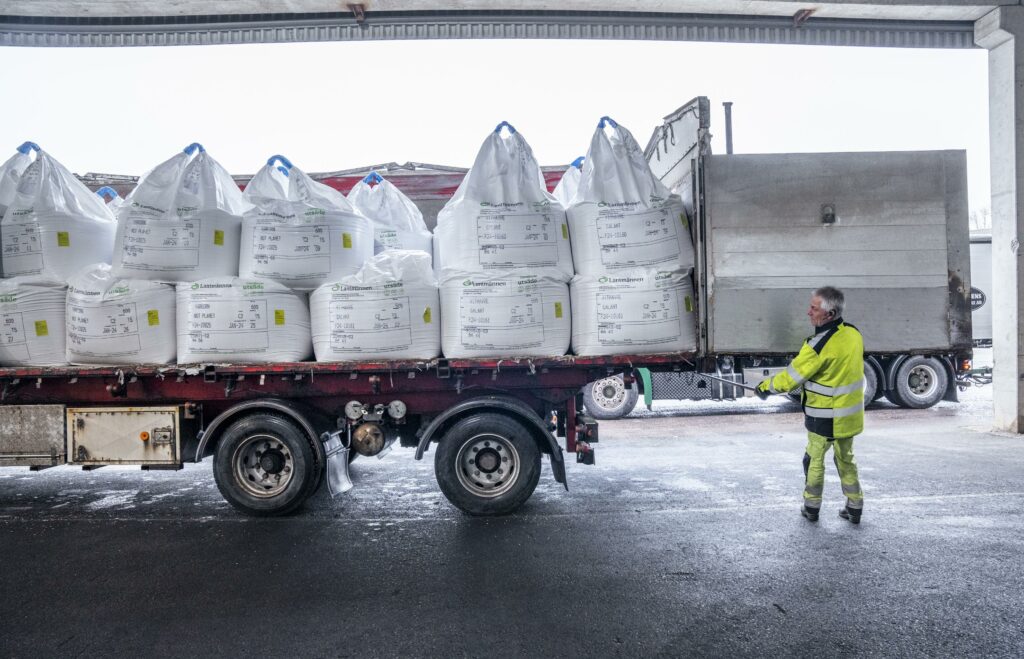
An employee loads a truck at the Lantmännen’s ThermoSeed facility that will deliver the bags of seeds to farmers throughout Scandinavia. Each bag holds 500kg of treated seeds.
Today, many companies that previously criticized ThermoSeed are turning to them to replicate their model.
“These agrochemical companies are aware the world around them is shifting,” says Anders Krafft, the CEO of Lantmännen BioAgri AB, which now owns the ThermoSeed method and trademark. “They know they have to change tactics.”
Although tides are turning away from agrochemicals, there is still work remaining to make seed steam pasteurization financially viable. While steam seed treatment is cheaper in the long term than agrochemicals, it does require significant initial investment.
Unlike pesticides, which are a one-size-fits-all approach to pest eradication, steam seed pasteurization is tailored to a given seed lot. This means that before a seed can be treated, a sample of the seed lot is sent to a laboratory right outside Uppsala. Here, the seed is tested at various conditions to determine the optimal combination of humidity, temperature, and time. The result is a “recipe” tailored to each seed lot that eradicates diseases, enhances seed vigor, and promotes optimal germination. Once this recipe is determined, seeds are treated using specialized ThermoSeed equipment.
ThermoSeed equipment is expensive, and it takes seven years before buyers begin to see a monetary payoff. While agricultural co-ops in more affluent countries can afford this investment, many farmers in poorer countries need help, putting the ThermoSeed method out of reach for those who require it most.
“Climate and environmental considerations are always priority number one,” Alness says. “But the finances have to keep up.”
Alness is searching for a solution: he has designed a new machine that would be cheaper and use less water and energy, which he hopes to get on the market within the coming years. Lantmännen BioAgri are at the same time working with a faster and remote-controlled recipe system to simplify global expansion.
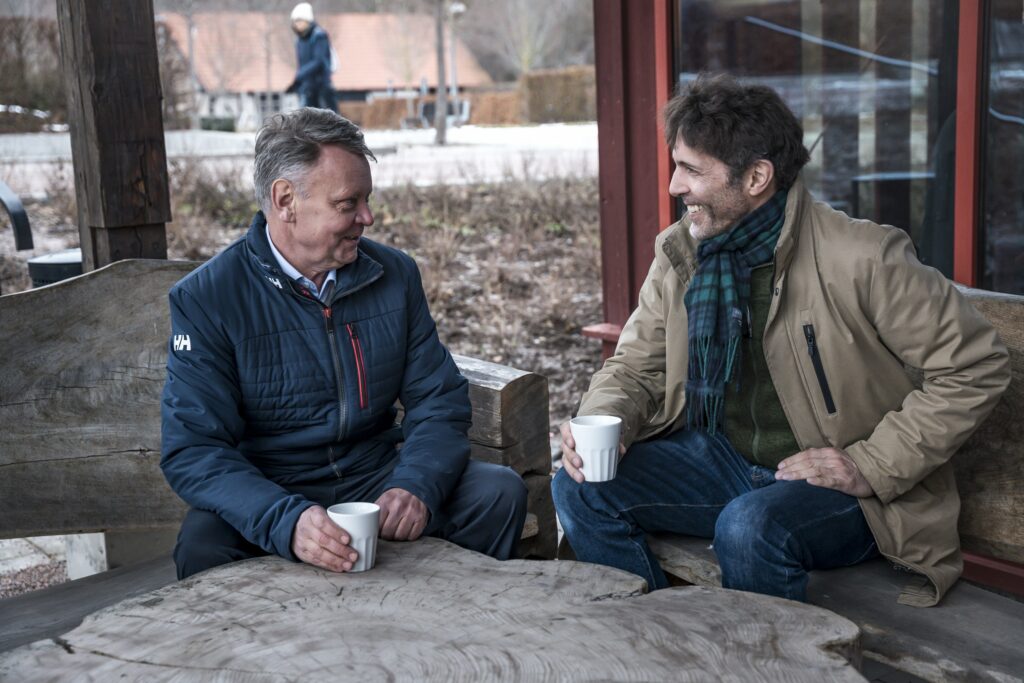
Friends and former colleagues Kenneth Alness and Gustaf Forsberg, sitting in front of the faculty cafeteria on the SLU, Swedish University of Agricultural Science Campus. Gustaf Forsberg, a former employee of ThermoSeed (he also wrote his dissertation on it) has worked with Kenneth for 20 years.
Scientists who have studied ThermoSeed say that if questions around initial investment are solved, the technique could have transformative impacts on the global agricultural system.
“The advantages are obvious: we don’t introduce pesticide into the growing cycle of the crop, and we increase yields,” says Gustaf Forsberg, who wrote his PhD on ThermoSeed at SLU, the Swedish Agricultural University. Globally, he says, these increased yields could reduce the land required for farming.
For Forsberg, who is now a farmer himself, ThermoSeed is also ushering a new way of working for farmers: “We can touch ThermoSeed treated seed with our bare hands and not worry about the impact it is having on our health.”
Alexander Alness, picking up a container with soil that contains samples of wheat varieties. These samples in the climate chamber have been treated with ThermoSeed recipe, at the company’s laboratory on the SLU, Swedish University of Agricultural Science Campus.
Alness’s innovation has taken him around the world: he has met with farmers in Kazakhstan, agricultural co-ops in India, and interested buyers in China. In Sweden, he has won many sustainability prizes, receiving a visit in his laboratory from the Swedish Crown Princess.
But for Alness, the success of ThermoSeed is a family victory that unfolded here in the Swedish countryside. His grandparents were farmers, cultivating the land near where he now lives. His son, Alexander, is the laboratory leader where the special seed “recipes” are developed, and the idea for steam pasteurization came from his father-in-law’s book.
“It’s a wonderful life story,” he says. “To work on something you believe in.”
At the end of our drive, Alness points out a red house on the right. “That’s mine,” he says. A home with a solar-paneled covered roof sits in the middle of the farmland. Every morning, Alness laps the fields surrounding his house with cross-country skis strapped to his feet.
“Nature has always been in my heart,” he says. “We all need to find strategies to protect it.”
Pasteurising seeds in hot steam could be the farmer’s answer to controlling harmful fungi, bacteria, and insects without the use of environmentally damaging chemicals.
Clean seed is a global issue; seed-borne diseases are a serious threat to farmers and world food supply. But in most cases, seeds are treated with chemicals that can harm the environment and biodiversity, and threaten grain and vegetable harvests and thereby farmers’ livelihoods.
Plant protection chemicals may be designed to kill specific pests, but they can also affect any other life form that comes in contact with them. The chemicals can enter the food chain, leading to long-term detrimental effects. Many pesticides are dangerous to life in waterways due to agricultural runoff. Even in certified organic farming, natural pesticides, which are widely used, can inadvertently cause damage to benign insect life and fungal spores, which affects the entire biodiversity of the soil.
About a third of the world’s soil has already been degraded by chemical-heavy agricultural interventions, according to the United Nations Food and Agriculture Organization (FAO). ThermoSeed claims to offer an economically competitive, environmentally friendly alternative which, if spread to new markets throughout the world, could substantially increase food supply and at the same time decrease the use of methods hazardous to humans and nature.
ThermoSeed pasteurizes the seed with hot humid air, and could increase harvests of grain and legumes worldwide by using this unique hot steam method of processing to eliminate toxic microorganisms such as fungi, bacteria, and harmful insects.
photo by ThermoSeed
The method already dominates the seed market in Scandinavia where most cereals are treated. ThermoSeed says that field trials there have shown an increase in harvest around 5-10 percent. In Sweden, ThermoSeed-treated seeds already have a market share of 40 percent and in Norway, 60 percent. ThermoSeed’s equipment for treating seed is now sold in four other European countries and in the US. Within the next 10 years, the company believes it will have established ThermoSeed around the world. In developing countries, the increase in harvests is even more important, according to the company; rice trials in Mali have indicated an increase in harvests by 27 percent.
Complying with the EU directive of integrated pest management, ThermoSeed sets a standard in providing a good working environment for workers in seed plants and farms with no exposure to chemicals, increasing food safety, and limiting waste by ensuring unused seed can be used direct for human consumption and for feeding farm animals.
With over 20 years of contribution to the development of more sustainable food production methods, the Swedish company is already treating rice against nematodes in the US and Italy, and is officially approved in Japan and Mali. It believes that expansion into new markets would have a massive impact in climate, environment, and health.
How a 141-year-old waste management company is pioneering the recycling—rather than mining—of phosphorus and other nutrients we need to keep feeding the world.
UPPSALA, Sweden
The person who discovered phosphorus was hoping to find something else. In Hamburg in 1669, the self-styled chemist Hennig Brand was, like many of his peers at the time, trying to turn base metals into gold.
Believing that the human body was the key, he boiled large amounts of urine and heated the residue, eventually producing a white, waxy substance that glowed in the dark. Brand called his discovery phosphorus, from the Greek for “light-bearer.” (He later sold his supply for 200 thalers—about $13,300 in today’s money—when he needed some cash.)
For more than a century phosphorus was made through this method, for example to produce an early version of matches, until in the 18th century a couple of Swedish chemists discovered that calcium phosphate could be sourced from bones, which became an early fertilizer. This and other discoveries eventually led to the development of commercial fertilizers, by far the largest global use for phosphorus, and enabled the Green Revolution and a massive global population boom.
But the way we source phosphorus—mining it from reserves in a handful of countries and importing it—is unstable and unsustainable. Phosphorus feeds the world, but also pollutes it, and phosphorus prices and conflict are disrupting food production. There’s a race on once again to revolutionize how we get our phosphorus, and scientists are, as they were at the beginning, looking at human waste for answers.
In 2005, Yariv Cohen, then a 34-year-old chemical engineer, was working on this problem when he made his own accidental discovery. While conducting PhD research in recovering phosphorus from sewage sludge ash—a by- product of incinerating sewage sludge—at Sweden’s University of Agricultural Sciences, he set up an experiment to recover phosphorus in the form of a highly concentrated ammonium phosphate solution. “I was testing a new idea for concentrating the solution without water evaporation—by circulating the ion exchange regeneration solutions and adding ammonia in a particular way to obtain a final product with as high a concentration as possible,” he says. He then left it to run overnight.
“I came to the lab in the morning, and instead of finding a highly concentrated solution as I expected, the system was completely clogged with white crystals, like it was covered with snow,” says Cohen.
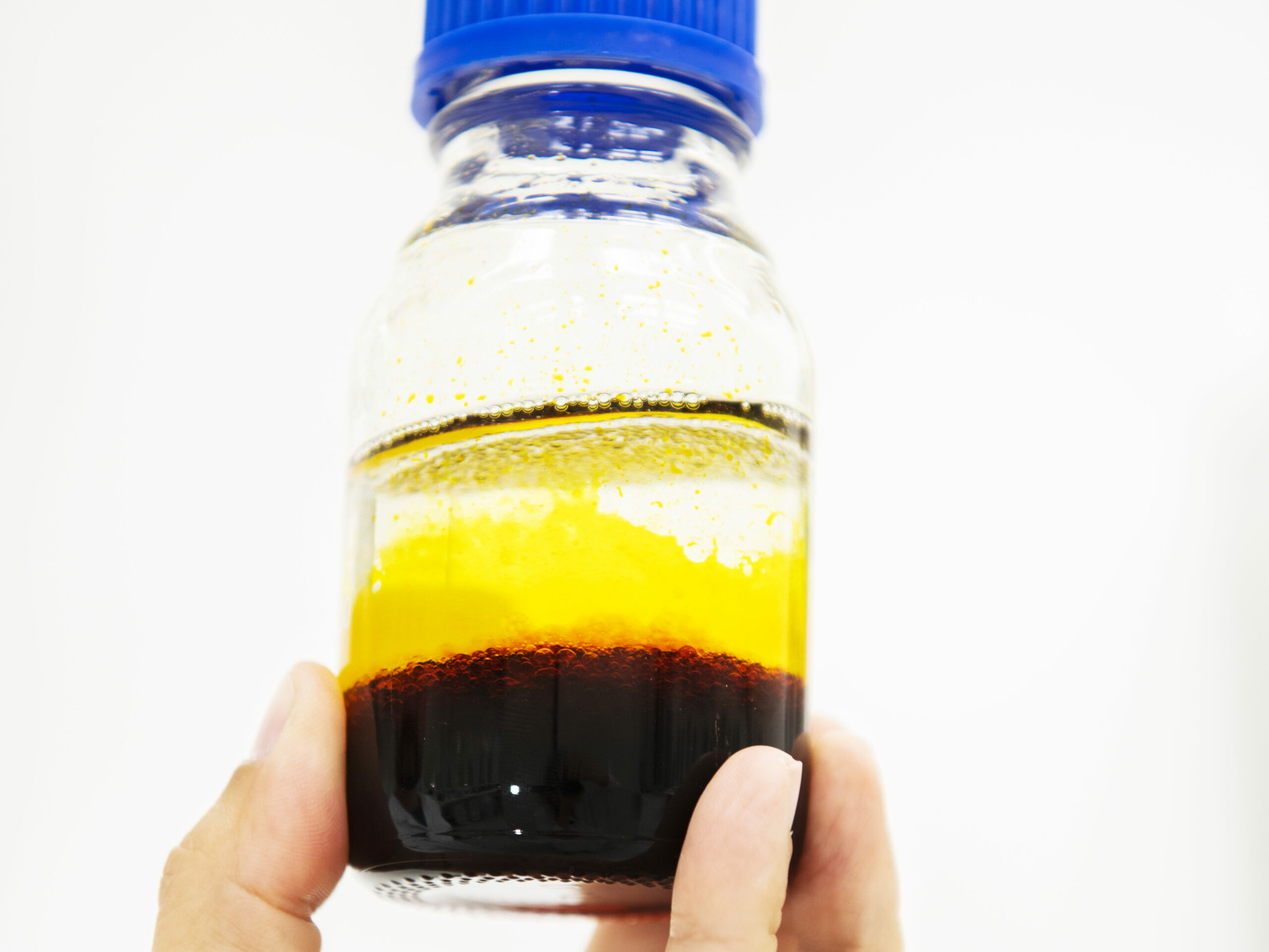
“Initially, I was disappointed that the experiment failed,” he says. But it hadn’t: the white stuff turned out to be pure ammonium phosphate crystals, and he realized he had indeed found a method to recover solid phosphorus crystals without the need for evaporation—a new, more energy-efficient way.
Dr Yariv Cohen, EasyMining’s head of research and development.
Cohen’s PhD research and years of investigating phosphorus recovery techniques led to his current role as head of research and development at Sweden’s EasyMining. The company now holds several global patents for the extraction and recovery of resources from wastewater, sewage, and fly ash—a byproduct of incinerated waste—for which the company, along with its parent, Ragn-Sells, is shortlisted for the 2022 Food Planet Prize. Their technologies can potentially improve food security by recovering nutrients—producing better quality than mined ones—from waste to reuse in fertilizer and other uses, instead of relying on unstable global supply chains.
“The whole value chain needs to be changed,” says Cohen. There are many ways to recover nutrients from our food and waste cycle, but it’s not being done at a large scale—yet. “Quantities matter and quality matters,” says Cohen, when it comes to making recovery viable. Both are a challenge.
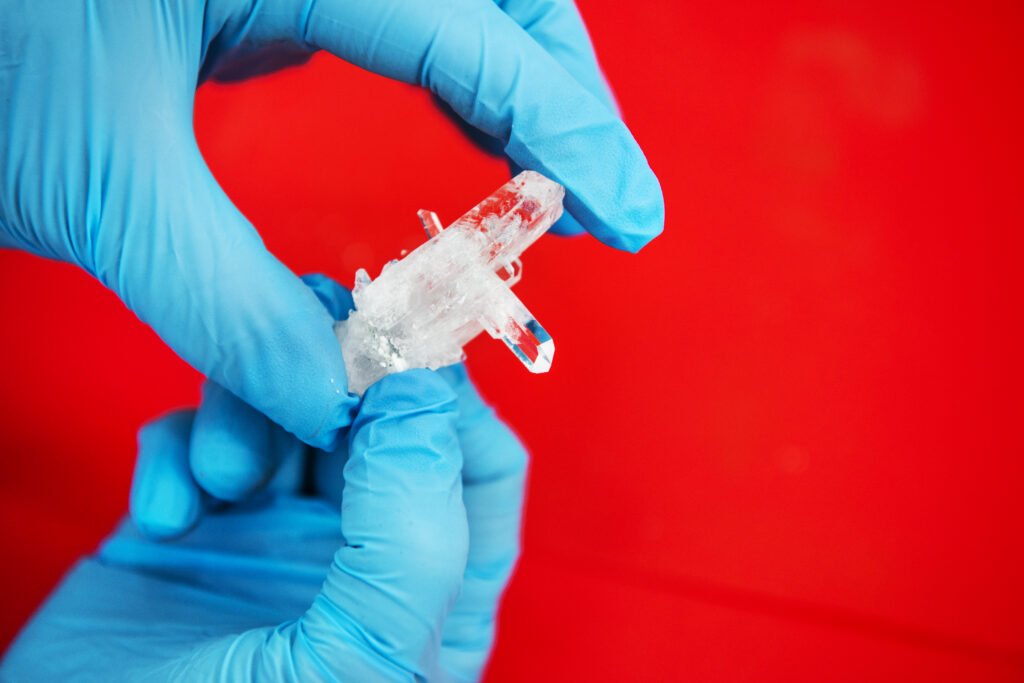
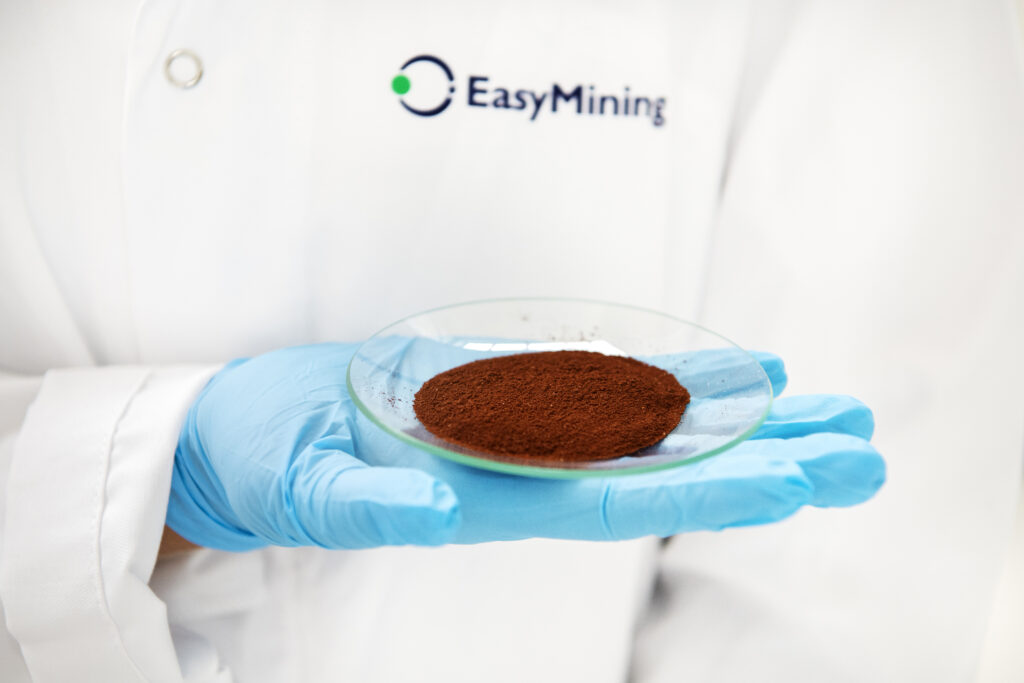
A piece of crystallized phosphate salt, or monoammonium phosphate, at the EasyMining laboratory in Uppsala, Sweden.
Put simply, there is no life without phosphorus. Phosphates are essential for bones and teeth, for DNA, and for every living cell. As an essential ingredient in all fertilizers, it’s also crucial for crop growth. “Plants need all three—nitrogen, phosphorus, and potassium—to grow,” says Cohen. But unlike nitrogen, phosphorus is finite: it cannot be replaced, substituted, or manufactured.
The world’s phosphorus supplies—which took millions of years to form— are depleting, with reserves of phosphate rock concentrated in a handful of countries. Morocco, China, Egypt, Algeria, and Syria control 85% of the world’s phosphate rock reserves. About 80% of mined phosphate rock—sedimentary rock containing fossilized deposits composed of remains of animals, algae, and sea creatures—is converted into mineral fertilizers for global food production.
As earth’s population grows, we will need more phosphorus to produce food at a time when it’s becoming more scarce and much more expensive. The biggest need is in developing countries, which are already affected by rising prices. One large study released this summer states that global phosphate prices have risen 400% since 2020 and 1 in 7 farmers can’t access or afford phosphorus.
The largest share of the world’s phosphorus reserves—around 70%, according to the latest US Geological Survey—is located in Morocco and the Western Sahara. China’s 5% of phosphorus reserves is a distant second, but China is the world’s largest producer, and if it keeps producing at the current rate, its reserves will be depleted in the next 35 years. There is only one operating phosphorus mine in the European Union, in Finland. This mine produces 1 million tonnes annually, about 10 percent of the EU’s need, and is projected to be depleted by 2035.
Along with having the most reserves, Morocco is the world’s largest exporter and the second largest producer of phosphates, if one includes Western Sahara, a long disputed territory where the remote Bou Craa mine is located. This mine has one of the world’s largest phosphorus deposits, at 1.7 billion tons, and currently produces 3 million tons annually. The mined rock is transported on the world’s largest conveyor belt system from the mine to the coast 61 miles away, from where it is shipped all around the world.
A sample of the recovered phosphate product generated by EasyMining’s “Ash2Phos” process.
“Most of us, most days, will eat some food grown on fields fertilized by phosphate rock from [Bou Craa] mine,” environmental author and journalist Fred Pearce noted in Yale’s University’s Environment360 blog. Conflict and high costs have already disrupted production in Morocco. Unless we can recycle more phosphorus or access other sources, Morocco’s share of worldwide production could be 80% by 2100, a level of concentration that is inherently dangerous to global supply chains.
There is now another pressing problem with phosphorus and food security on the European continent. Russian-mined phosphate dominates the European import market, and the war in Ukraine was a looming topic at the 4th EuropeanSustainable Phosphorus Conference (ESPC), held in Vienna in June 2022.
“Currently, the phosphorus price is so high because of a shortage we already had, and [Ukraine’s invasion by] Russia,” says Ludwig Hermann, President of the European Sustainable Phosphorus Platform, which organized the conference.
Mining is precarious, but phosphorus needs are rising. That is why phosphorus recovery, long discussed but little implemented (at least not at scale), is having its moment. Phosphorus mines may be finite, but the substance can be recovered in several different ways from sources such as human waste, plant matter, manure, and the waste of food that has been treated with phosphorus fertilizer.
In 2019, over 500 scientists signed ‘The Helsinki Declaration,’ calling for food, agriculture, waste and other sectors to improve global phosphorus sustainability.
At the ESPC in Vienna, over 300 people gathered at the Andaz Hotel conference center to discuss the latest in phosphorus sustainability—from across science and academia, industry, energy companies, fertilizer companies, researchers, journalists, politicians, EU policymakers. At the hotel’s conference center, attendees mingled around standing tables with coffee and Viennese pastries, but also among jars containing samples of fertilizer pellets, sewage sludge ash (which resembles ground coffee) and calcium phosphate (a white powder) that had been recycled, rather than mined.
Their goal: to arrive at what Christian Kabbe, CEO of EasyMining’s Germany office, calls the “reality stage.” That means not just recovering phosphorus, in large enough amounts and good enough quality—scrubbed of a lot of the toxic heavy metals such as cadmium and uranium that exist in sewage sludge ash— but also finding the market for it.
“Recovery tends to still be technology focused, and few have explored the market side,” says Kabbe. The amount of recovered phosphorus is also crucial: “There must be volume for recovered phosphorus to be viable. It can’tbe pocket dust.”
Cohen’s lab “accident” as a PhD student resulted in EasyMining’s first patent, for Clean-MAP, a method for extracting ammonium phosphate from mining industry waste. Cohen and his colleague, Patrik Enfält—plus one investor— founded EasyMining in 2007 to commercialize its technologies. Since then, EasyMining has produced several patents, with the help of investment and support from its much older parent company.
Ragn-Sells is Sweden’s biggest waste management, recycling, and environ- mental services company. The three-generation family business has a waste management pedigree dating back to 1881, when Amandus Zakarias Leonard Sellberg set up a haulage company—at first, with just one horse—transporting latrines from central Stockholm to farms in the countryside. In 1928, on his wife Julia’s family farm, Amandus and Julia’s son, Ragnar Sellberg, started a waste collection service for local home-owners. In the 1960s, Sellberg steered the company’s activities into waste management and recycling.
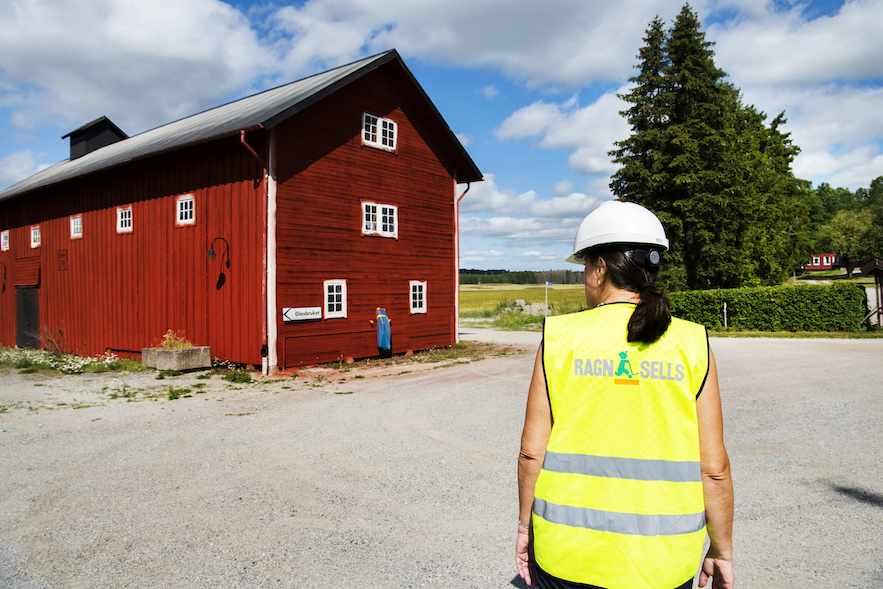
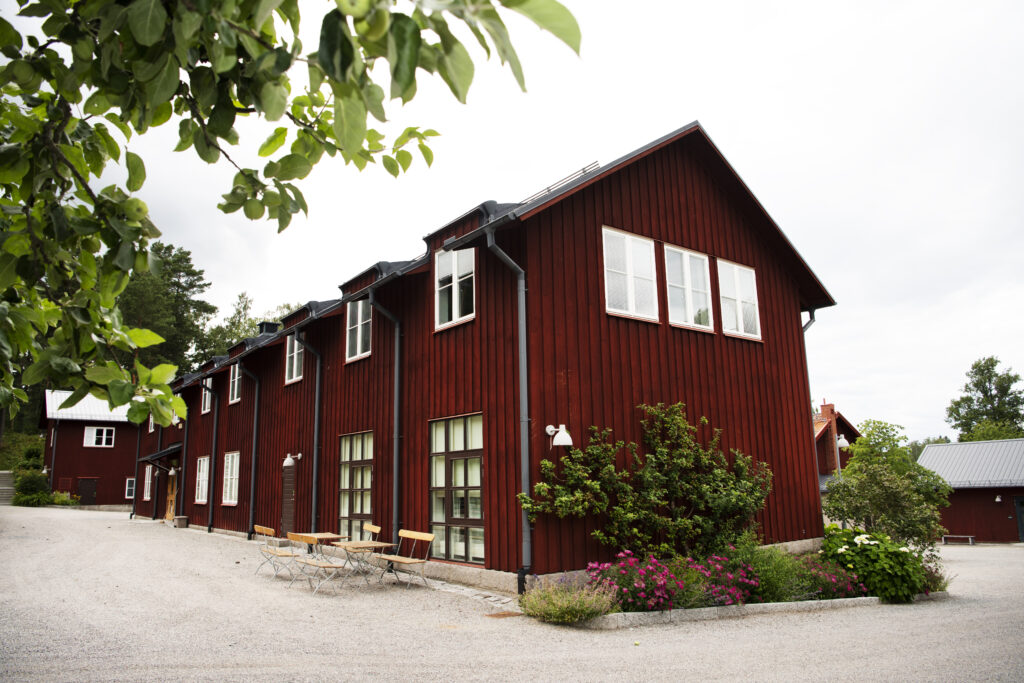
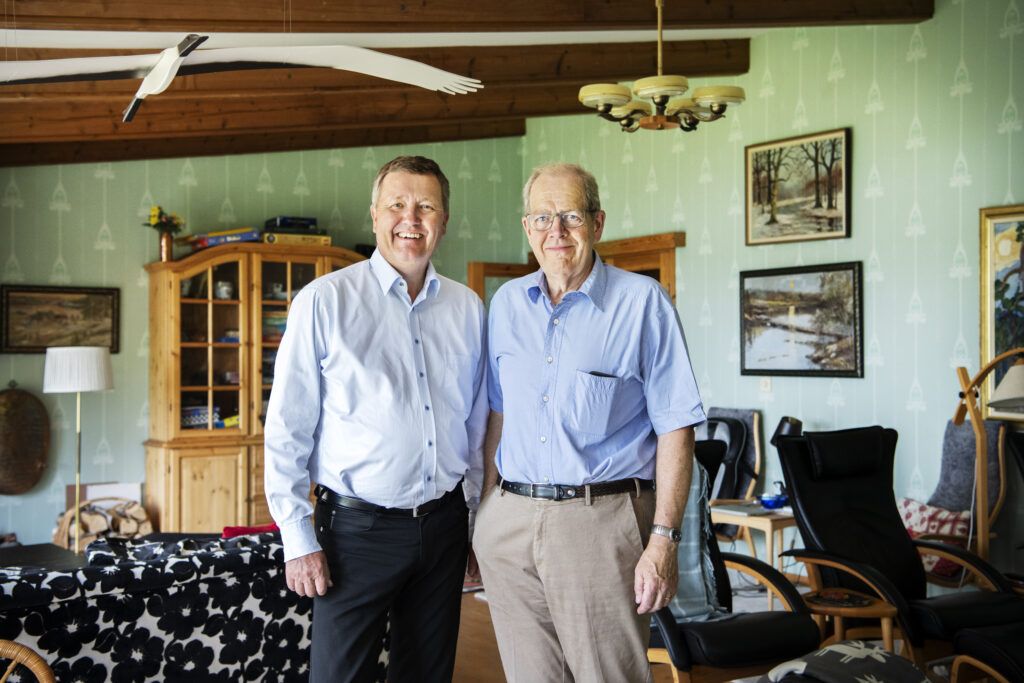
Väderholmens Gård, the old Sellberg family farm, dating back to the late 1800s, and now the headquarters of Ragn-Sells Group.Left, Jan Svärd, CEO of EasyMining, and right, Erik Sellberg, owner and chairman of the board of Ragn-Sells Group.
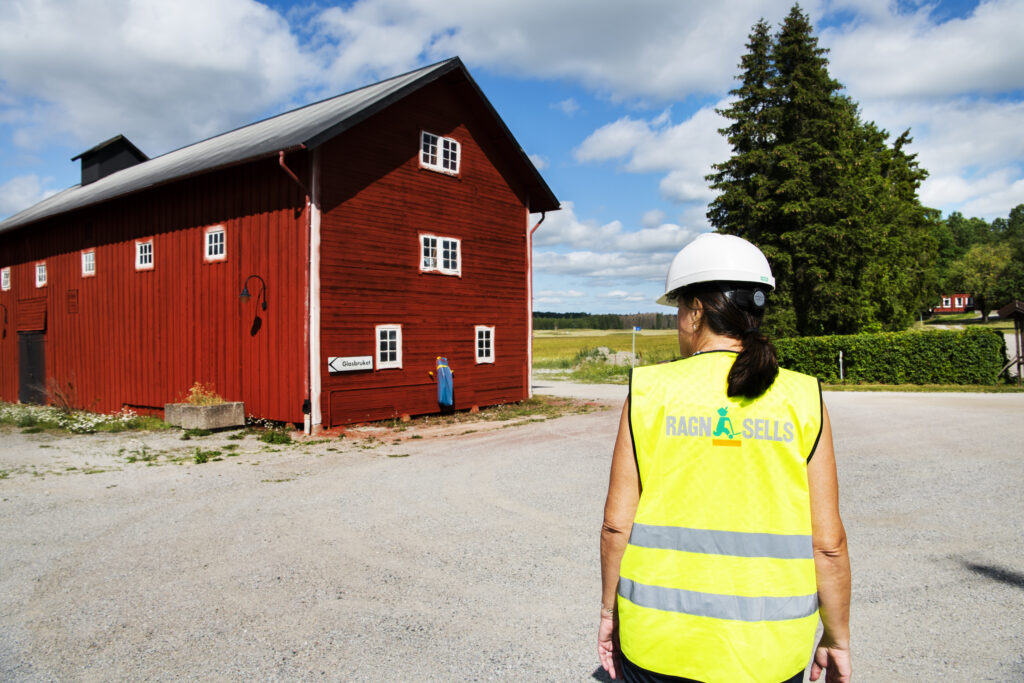
Ragn-Sells’ head office remains at the bucolic (but updated) Väderholmens Gård (farm) in Sollentuna, 11 miles north of Stockholm. On an early June afternoon, birdsong accompanies the hum of a robotic lawn mower ambling over manicured gardens in front of the company’s executive offices in an airy, sunny building. Electric car charging ports adorn the farm buildings—a cluster of wooden barns painted the “Falu red” pigment common in Scandinavia.
Ragnar’s son, Erik Sellberg, Chairman of Ragn-Sells, explains that he never intended to go into the family business: he was studying economics when he seriously injured his knee in a boating accident. In his convalescence he started working with the family firm, and in 1981 he joined Ragn-Sells full time. He invested in EasyMining in 2008, at first only privately, based on a “gut feeling,” In 2014, Ragn-Sells bought EasyMining outright. “I saw that what they do fit into our thinking of how to save resources,” says Sellberg.
“The long-term perspective of a family-owned company is what enables EasyMining to grow and develop,” says Cohen. Ragn-Sells, with its extensive experience in environmental management, is also willing to take the risks and challenges associated with producing new technology at large scale, he adds.
The acquisition of EasyMining, which now has 40 employees based between Uppsala, Gothenburg, and Berlin, aligns with Ragn-Sells’ long-held values. A banner in the office lobby displays a quote by Ragnar Sellberg: I see a beginning where others see an end. Ragn Sells’ and EasyMining’s mission is to help transform our linear economy—in which raw materials are collected, used, and dumped—to a circular economy in which we re-use and recirculate resources as much and for as long as possible. Our waste products contain valuable materials.
“Our strategy as a company is the belief that in the future, there will be no waste,” says Lars Lindén, Ragn-Sells’ CEO.
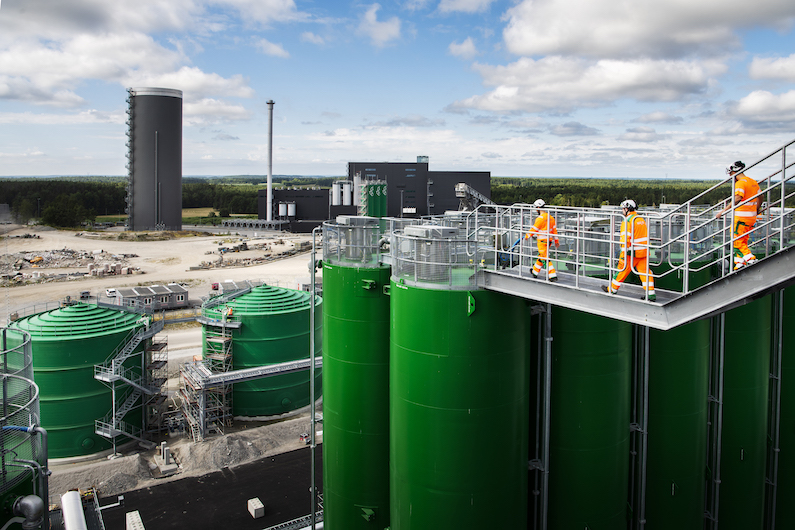
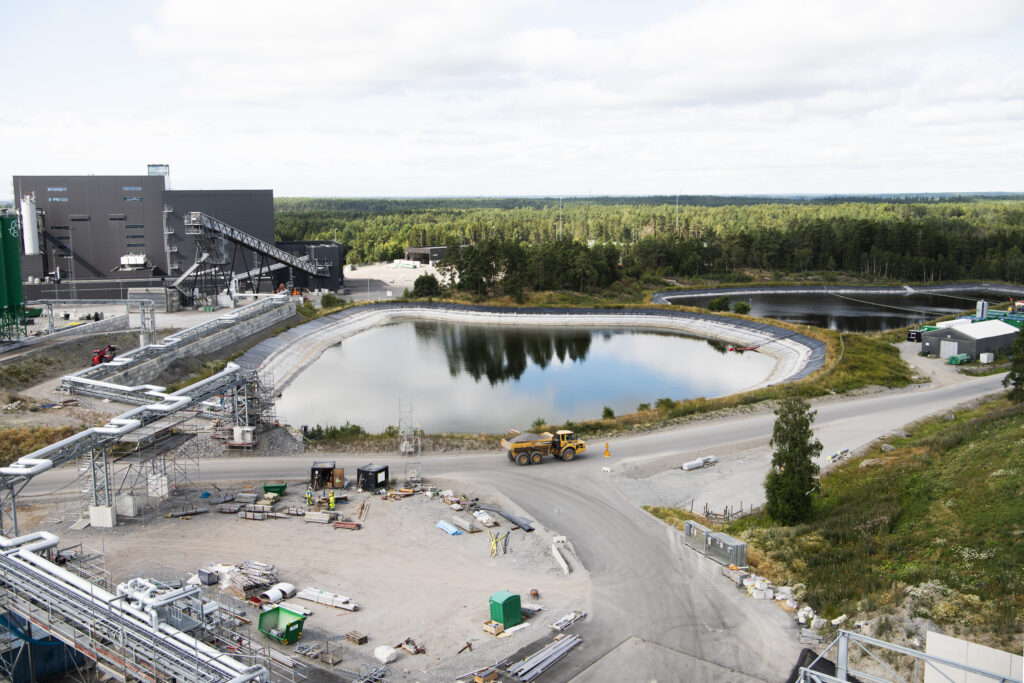
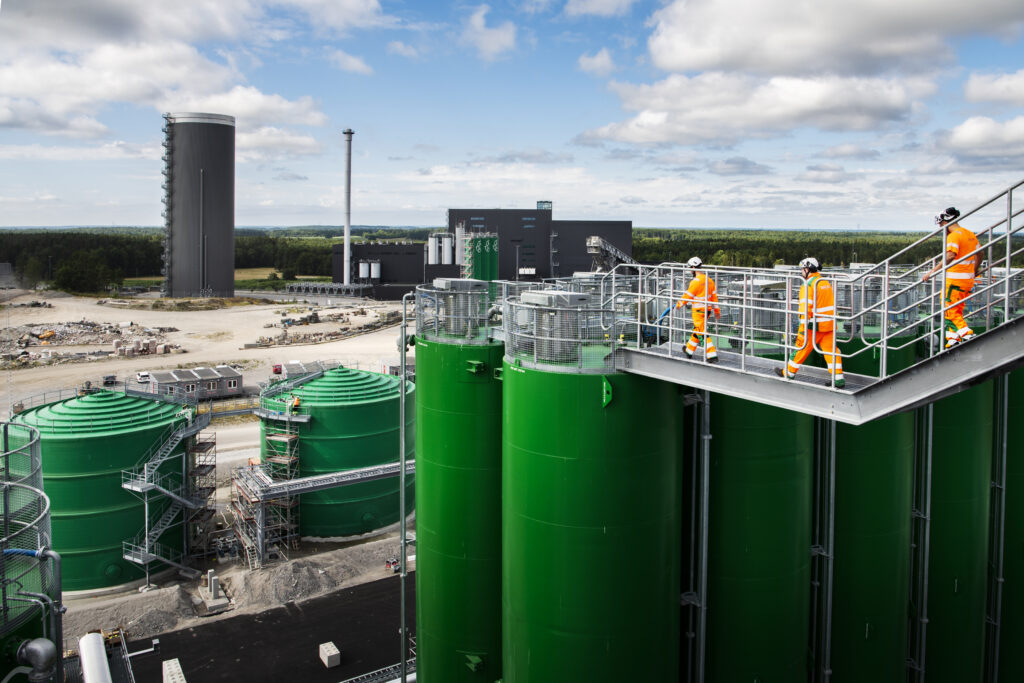
View from the rooftop of Ragn Sells’ Ash2Salt treatment plant at Högby- torp—a waste and energy recycling center northwest of Stockholm, Sweden.
EasyMining’s roots are in phosphorus recovery, but it also holds patents for recovering other nutrients. Project Nitrogen (a working title) is currently being applied in partnership with BIOFOS—Denmark’s largest wastewater utility—to recover ammonium from wastewater at a demonstration plant in Copenhagen.
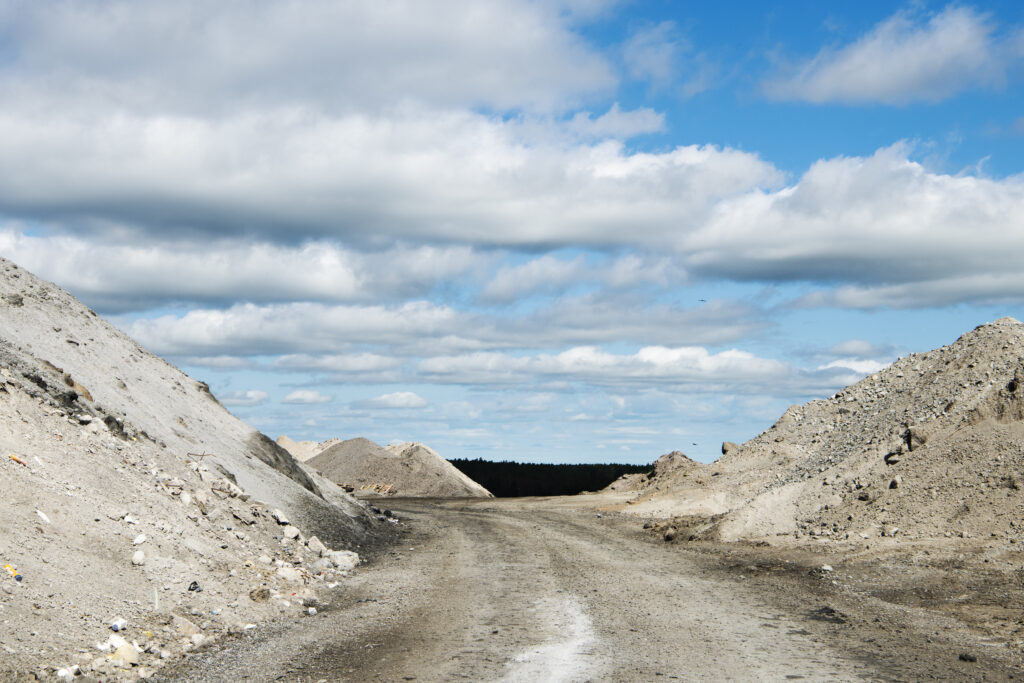
Ash2Salt recovers commercial salts from fly ash, which is produced from incinerating waste and usually exported or landfilled, neither of which are sustainable. The new Ash2Salt plant at Högbytorp, a few minutes from Väderholmen, will be fully operational in late 2022 through a licensed agreement with Swiss-Japanese energy-from-waste company Hitachi Zosen Nova. The plant will wash and treat fly ash at large scale to recover several types of commercial salts for de-icing roads and fertilizer, among other uses, and reduce dependence on mined salt.
Stockpiled fly ash, which is cleaned and treated at the Ash2Salt plant to recover commercial salts.
But perhaps the largest opportunity for recovering nutrients such as phosphorus, right now, is in wastewater. “We want wastewater treatment plants to be the resource plants of the future,” says Pär Larshans, Ragn-Sells’ Director of Sustainability.
Dealing with wastewater—of which sewage is a subset—has been a challenge for as long as humans have gathered in great numbers. In Europe and North America, municipal sanitation systems grew out of the need to reduce typhoid and cholera outbreaks during the Industrial Revolution. London’s Great Stink of 1858—when hot weather and untreated sewage flowing into the Thames resulted in a major cholera outbreak, and made the city smell so bad that Members of Parliament soaked their curtains in chloride of lime—led to the construction of an extensive underground sewage system to convey sewage away from the population.
In the 19th century some cities began treating sewage—by settling it in lagoons, adding oxygen to reduce odor, or adding chemicals—in an effort to reduce water-borne disease outbreaks—a development that led to a huge increase in life expectancy. Starting in the 1840s, some sewage started to be applied to agricultural land as a fertilizer, with some success.
Even today’s treated wastewater contains large amounts of nutrients such as phosphorus and nitrogen—passed from agriculture and fertilizers to food and to our own waste—which is a waste disposal challenge, because they contribute to water pollution and eutrophication, an overgrowth of algae that can turn water bodies toxic. Sewage sludge, a semi-solid byproduct of wastewater treatment, is rich in nutrients but also in pathogens, so it has to be treated before disposal or reuse for agriculture. In most cases it is incinerated, a process that started in the 1930s.
Today, “there are three reasons to incinerate sewage sludge,” explains Cohen. Incineration detoxifies the sludge of pathogens, it increases the concentration of phosphorus (there is 0.8% phosphorus in sewage sludge, but 9% phosphorus in sewage sludge ash, as compared to 1.8% in rock phosphate from Finland’s phosphorus mine), and it reduces weight and volume by 90 percent, making logistics and transport simpler.
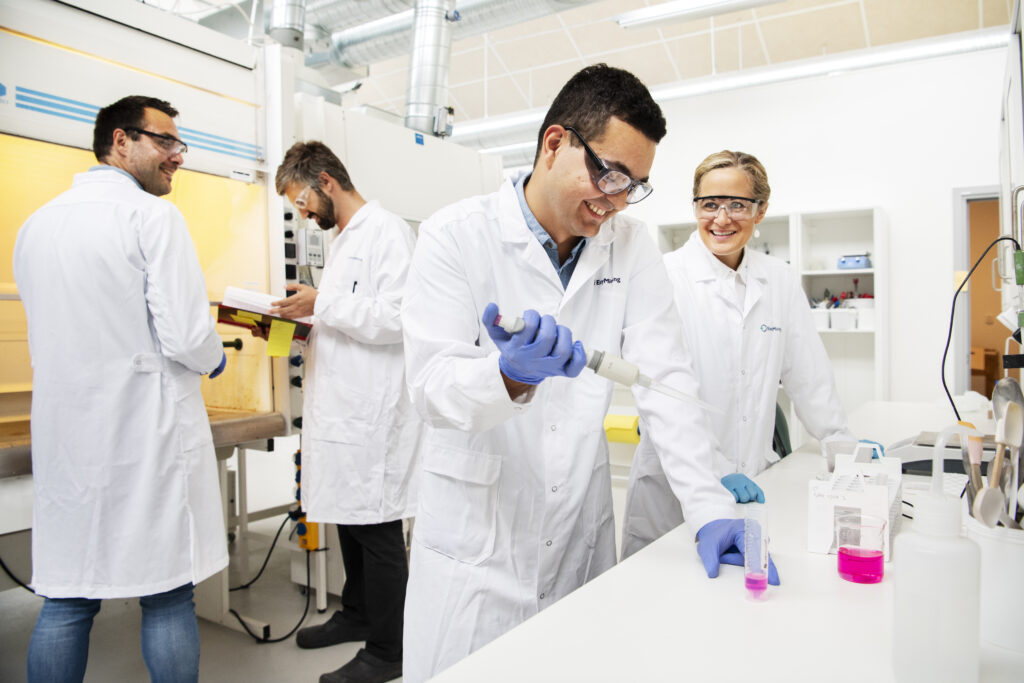
A sample of incinerated sewage sludge, from which clean phosphate is recovered through the Ash2Phos process.Ehsan Mosleh (front), EasyMining lab and pilot engineer, and Sara Stiernström, product manager (right) at EasyMining’s Uppsala laboratory.
EasyMining’s Ash2Phos process—which involves treating sewage sludge ash with a series of chemical reactions employing hydrochloric acid, alkaline, and lime—can recover 90 percent of the phosphorus in sewage sludge ash, with a more than 96% reduction in contaminant heavy metals such as cadmium and uranium. The main substance it recovers is calcium phosphate—equivalent to mined rock phosphate, but with higher purity (mined Moroccan phosphate for instance is high in cadmium).
The process also has lower carbon dioxide emissions compared to sourcing virgin resources. A life-cycle assessment study by the IVL Swedish EnvironmentalResearch Institute concluded that producing the same amount of calcium phosphorus from ash with the Ash2Phos process compared to sourcing it from non-renewable phosphate ore would save 20,000 tons of carbon dioxide annually.
The first Ash2Phos plants—the first in the world that will recover phosphorus at this scale—are in development in Germany and Sweden. The German plant, in Schkopau, is a partnership with utilities company Gelsenwasser and is projected to be completed in 2024.
That’s the recovery side; regulations make the market side a greater challenge. There are three potential routes for the recovered phosphorus that EasyMining obtains: fertilizer, animal feed, and food additives. While the EU is facilitating a move to a circular economy, there remains a legal barrier to achieving this because current EU laws prioritize origin, rather than quality, of phosphorus and other recycled nutrients.
“EasyMining’srecycled phosphorus cannot be used for feed, no matter the quality, and cannot be used for food additives, no matter the quality, because of its origin,” says EasyMining’s Kabbe, in Vienna. This despite that the recycled phosphorus is of higher purity than that in traditional fertilizers.
Products recycled from waste can’t be used for agricultural feed for animals or for food additives. This legal taboo is a relic from the BSE (“mad cow disease”) crisis in the United Kingdom in the 1980s and 90s. Back then, however, there was no significant nutrient recycling from waste to be used. “When these laws were written, nobody was doing what we are doing yet,” says Anna Lundbom, EasyMining’s marketing manager.
Ragn-Sells’ training facility at Sätra Gård, adjacent to the Ash2Salt treatment plant at Högbytorp.
While there is a market for recycled nutrients for fertilizers in conventional farming, there is also still a ban on their use in organic farming. This would seem to deprive recovered phosphorus of a natural target market. What better evangelists and early adopters of a circular economy than organic farmers and their consumers?
The needle may be slowly moving on that front. The 2022 working program of the EU’s Expert Committee on Organic Farming includes the consideration of allowing some recycled nutrients in organic farming. Should the EU decide to open the directive, it will be possible to apply for an exemption from the law, explains Larshans, although ideally the law itself would change.
This change in attitude, says Larshans, could be “an important starting point for future sustainable farming.” With that shift, by 2025 EasyMining could be able to supply organic farmers with recycled organic fertilizers.
Ludwig Hermann of the European Sustainable Phosphorus Platform is a little more cautious in his optimism. “So far, nothing has happened, but some movement seems to be detectable,” he says.
Testing facilities at the Ash2Salt plant, which is projected to be operational in 2022.The silos of the Ash2Salt plant at Högbytorp, which will take in fly ash to be cleaned and treated.
There are other challenges to the wider application of nutrient recovery technology. Hermann mentions two: cost and risk perception.
“There will be a cost increase, albeit small, for phosphorus recovery, and a debate about who pays, which will probably be citizens, probably through wastewater treatment,” says Hermann. “In Austria, we have an annual bill for wastewater treatment. From 300 euros a year, it might be 303 euros,” he says.
But politicians will be reluctant to impose costs, no matter how little, he points out, particularly with the current energy and inflation issues.
At present, there is also limited experience with large-scale phosphorus- recovery. “Because it is not yet widely available, there is an additional risk perception,” says Hermann. Still, his feeling is that EasyMining’s plants in Germany and Sweden will set the ball rolling in the rest of Europe, and elsewhere.
“It is quite challenging to set up large-scale production of new processes to move to a circular economy,” says Cohen. “In addition to the main recovered product, you need to develop and find offtakes for all by-products, and in contrast to the mining industry, any disposal of residues will require, in several countries, paying landfill tax.”
It’s difficult to compete with the traditional way of producing fertilizers, he adds. For example, OCP, Morocco’s largest phosphorus producer, simply discharges the waste into the sea at low cost.
Legislation for recovering phosphorus is creating a market—in Europe at least—for wider implementation. In 2006, Switzerland enacted a law to make
the recovery of phosphorus from slaughterhouse waste and sewage sludge obligatory. Germany—which has the most sewage sludge ash in Europe—has introduced a phosphorus recovery law stipulating that wastewater treatment plants above a certain capacity will have to recover phosphorus from sewage sludge by 2029, and have a plan for doing so in 2023.
Austria has been considering a law for phosphorus recovery, but it is not yet mandatory. Still, on June 19, 2022—the day before the city hosted the ESPC— Vienna’s City Hall announced its own plans to recover phosphorus from sewage sludge ash. The City of Vienna’s local authority and Wien Energie, Austria’s largest energy provider—which already incinerates wastewater and garbage for reuse at its surreal, Hundertwasser-designed Wonka’s Chocolate Factoryof a plant in Vienna’s 9th district—plan to build and operate a plant to process sewage sludge ash by 2030.
Nicole Puzsar, head of public relations for Stadt Wien, or City of Vienna, says the first crude plans for recovering phosphorus in Vienna date back to 2015. “A well-functioning waste management economy has always been a high priority for Vienna, which also considers itself a pioneer in the field of the circular economy,” says Puzsar.
Above all, partnerships across fields and borders are necessary for moving towards nutrient recovery and to a circular economy. “Cooperation, knowledge, technology, and expertise-sharing is the key to making this work,” says Larshans. “Market demand is there, policies are on their way, but we need to speed up the process,” he adds.
EasyMining’s Kabbe describes it as a “push-pull” process between industry, innovation, and science, and getting regulators and policymakers on board. “The costs on the market level are competitive,” he says. “Now, it’sa political question.”
The team behind the Consupedia app is on a mission to create a more transparent and sustainable food industry, armed with a database of 250,000 products. With only a barcode scan, it tells consumers how sustainable and ethical their food choices are.
GOTLAND, SWEDEN
It’s early July on the vacation island of Gotland, in the Baltic sea between the coasts of Sweden and Latvia. The sun shines on rugged cliffs, white sailboats are packed tight in the marina, and a steady stream of people flock towards the center of its largest city, Visby. But its medieval squares and cobblestoned streets are full of people in suits, not summer dresses.
It’s Almedalsveckan—or Politician’s Week—and Gotland has been transformed into a camp for Sweden’s political elite. Every July, Sweden’s most influential politicians, journalists, businesspeople, and NGOs descend on the island. Officially, they’re here to discuss social issues. Informally, they come to network, to party, and to have lunch meetings that are a lot less casual than they seem.
At a restaurant on Stora Torget, the town’s main square, Roberto Rufo Gonzalez’s eyes scan the menu, searching for something sweet. His lunch companions watch him, showing an unusual amount of interest in what he might be having for dessert. They’ve spent the past hour discussing the connection between the food industry and the climate crisis.
Gonzalez finally places his order. “Can I please have the liquorice pipe,” he says—a traditional Swedish candy.
“Are you sure the pipe is vegan?” asks Göran Blomberg, the CEO of ICA-handlernes Forbund, the trade association of Sweden’s biggest grocery retailer. It’s a fair question: earlier, Gonzalez had to ask for the kitchen to prepare a special vegan dish, because there were no vegan options on the menu.
“Of course,” says Gonzalez. He pulls a battered phone out of his white jeans, opens an app, and scans the barcode on the wrapper of the liquorice pipe.
Unlike a lot of liquorice pipes, this one is vegan. Although the text on the wrapper is in Swedish, the pipe was produced in the Czech Republic. The nutrition and ingredient information, in text so small it’s barely readable on the wrapper, is available on the app, too.
The liquorice pipe is rated in four different categories: Climate, Health, Justice, and Water. This pipe scores 38/100 in the climate category—based on criteria such as carbon dioxide emissions and transport involved in the production chain. That’s a below-average score compared to other similar products and packaged food in general, the app informs us. For health (drawing on facts such as ingredients, additives, or the presence of antibiotics in the food chain), the liquorice pipe—perhaps unsurprisingly—scores 33/100, significantly below average for food products in Sweden. The pipe does better on its social justice score—based on markers such as equality, animal welfare, and child labor issues—with 70/100.
Users of the app—named Consupedia—can also read about how the score is determined, which facts the information is based on, and get background information about topics such as greenhouse gas emissions, the use of antibiotics in the food industry, and practice of child labor around the world. The app’s information is drawn from many sources (and acronyms), such as the RISE Food Climate Database, the WHO, FAOStat (the FAO’s data trove), the Gapminder Foundation (a Sweden-based non-profit fighting global misconceptions), the World Wildlife Fund, the European Food Safety Authority, the Proceedings of the National Academy of Sciences (PNAS), the Water Footprint Network, Nutri-score, and the Bertelsmann Stiftung’s Social Justice Index.
Distilling all this information into an app places the world’s largest database of environmental impact, health, and justice related to food at consumers’ fingertips within seconds of scanning a barcode. The database, which currently holds sustainability information about 250,000 food products on the Swedish market, is accessible via the app. Consupedia is connected to the main databases in countries where products are being registered by manufacturers or distributors. As soon as new products or changes are made in these databases, the same change occurs in Consupedia’s database. As a complement to these databases, Consupedia uses information-gathering bots.
Consumers can walk into almost any grocery store in the country, scan the barcode of almost any product, and see how the product scores—as well as compare them to similar products or other brands.
“That’s a lot of information,” says Blomberg.
But Gonzalez didn’t just pull up the app to prove a point about veganism. The app, and the database on which it’s built, is his life’s work. He’s spent the past six years creating it, with the help of professors from Stockholm’s KTH Royal Institute of Technology and Dalarna University. Now the app is ready to be launched but is still in BETA stage. A test version has been available since 2017, and Gonzalez and his growing team are ready to put the wealth of information behind the app to use.
The goal is to create more transparency in the food industry. He doesn’t just want citizens to be better informed about the products they’re consuming, making it easier for them to choose products based on their values rather than just price and packaging—so far the strongest influences on consumer decision-making. He also wants to use the database to nudge stakeholders, such as grocery retailers, restaurants, hospitals, and policymakers, to make more sustainable choices.
Blomberg leaves the lunch table, seemingly impressed with the app, but without making any promises.
“That went well, I thought,” says Johannes Thomhave, Consupedia’s newly hired COO.
“I know,” Gonzalez says, getting up to go to his next meeting. “I’m just tired of things moving so slowly.”
Gonzalez returned to his native Sweden in 2014, after many years in the United States. He grew up in a tiny timber town in northern Sweden, meters from the pine-covered Bothnian coastline and the Söderhamn archipelago. His father, a Spaniard who’d grown up in an orphanage in Grenada and followed Gonzalez’s mother to her homeland, worked as a plumber, his mother as a school teacher. After high school, he followed his brothers to Stockholm and to KTH, Stockholm’s Royal Institute of Technology. After a few years studying and a gap year spent repairing roads and drinking vermouth in Grenada, he was awarded a grant to move to Los Angeles to study architecture at UCLA. For the next ten years, Roberto lived on and off in the US, working as a model and founding companies with an American friend.
When his father fell seriously ill in 2014, he returned to Sweden and his father moved in with him. Gonzalez wasn’t sure what he wanted to do next. He considered creating similar companies to those he’d built in the US—selling floating homes, designing clothes, or perhaps even launching an AutoGyro company. But the world didn’t really need more clothes, helicopters, or houseboats. What it needed, he thought, was a more conscious way of consuming. That’s how he came up with the idea of creating a consumer database guiding people and companies towards more sustainable consumption patterns.
“Whatever I came up with, nothing compared to Consupedia. It was the only project that was a solution to an existential problem,” says Gonzalez.
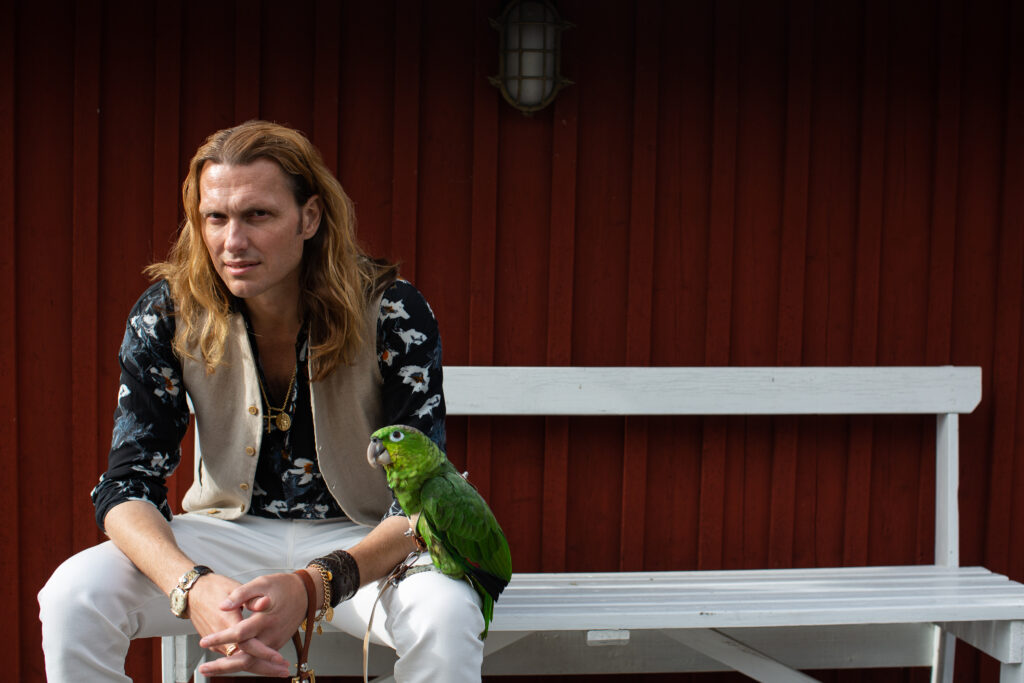
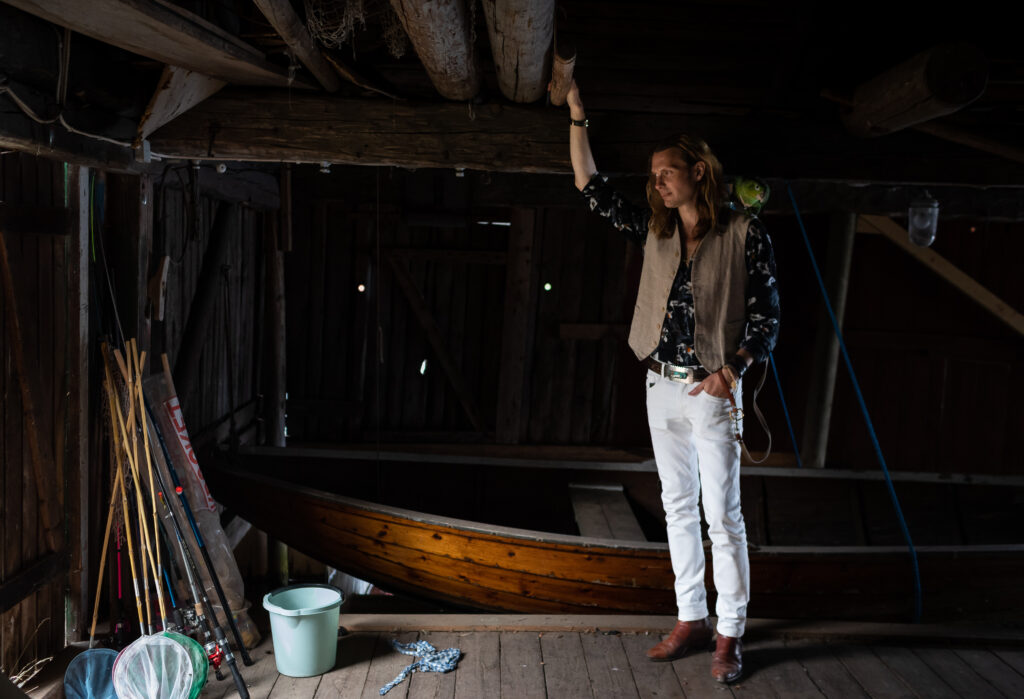
Roberto Rufo Gonzalez and his parrot, Åke, in his hometown, Skärså.
He started looking for more knowledge about the items he was consuming, whether it was food, clothes or electronics, but it was almost impossible to find. And then he started wondering if people would change their lifestyle and their consumption patterns if they were presented with the information he was looking for, and if they knew how it impacted themselves, the animals, and the planet.
“I went back to my university because my professors there are the smartest people I know, and I asked them whether it would make a difference. And they said yes, that research did point in that direction. I said, great, we know that information would make a difference, but how do we gather all this information? They didn’t know the answer to that, so I was left with that problem to solve,” says Gonzalez.
He registered the domain Consupedia.com at the turn of the year between 2014 and 2015, knowing he wanted to create some kind of database about what we consume, but not knowing how. And he got stuck.
It was April, 2016, two years since Gonzalez had left the US, and one since he’d registered the domain. He’d become better at finding the information he wanted before he made his decisions about what to buy and eat, but he still hadn’t figured out how to store the data or make it available to other consumers and companies.
Then one evening, while he was watching television with his father, a program about unknown people doing remarkable things aired. One of them was Sverker Johansson. He wasn’t interviewed because of his position—he’s part of the leadership of Dalarna University—but because in 2014, it had been revealed that he’d written 8.5% of everything ever published on Wikipedia.
“He’d figured out how to teach this bot how to gather huge amounts of information, package it, and automatically write an article that’s published on Wikipedia. On a good day, he said, he publishes 10,000 articles. I got up from the couch. Straight away, I saw that we could use this system to gather and package the information for Consupedia,” says Gonzalez.
He decided to convince Sverker Johansson to help out with Consupedia. He drove south in his 1971 Buick Riviera Boattail—powered by ethanol—bringing his beloved parrot Åke. When he arrived in Dalarna, he found out that Sverker Johansson was as passionate about parrots as he was about Wikipedia. Gonzalez asked him what he was currently writing about on Wikipedia, and Sverker replied that he was building a database that would gather information and write articles about every single beetle in the world.
“He also told me that the reason he’s doing this for free is that he believes in democracy and every person’s equal right to free information. That’s why Wikipedia is the only platform he uses, and why he spends a lot of time translating stories originally written in Swedish or English to minority languages,” Gonzalez explains.
“Don’t you think we could use this to gather information about something that would have more impact on society than beetles—for example on how our consumption impacts the world?,” Gonzalez asked him. Sverker Johansson was quiet for a moment. Then he nodded. “Yes, I think so. Let’s do it.”
Gonzalez had the consortium he’d wanted. Sverker Johansson and his team at Dalarna University would help with the database, and professors at the KTH Royal Institute of Technology would help out with their knowledge of fact-gathering and behavioral science. Gonzalez drove back to Stockholm, typed out a research proposal, and was awarded $400,000 from Vinnova, the Swedish government’s innovation department. With Gonzalez as head of research, he and his team got to work.
They had no idea it would take them six years to build the database.
Roberto Rufo Gonzalez photographed in his hometown, Skärså.
Early on, Gonzalez realized he’d have to work with the grocery retailers rather than against them. His goal isn’t only to inform people about their behavior, but to help them change it. For that to happen, consumers need to be informed about their past behavior, and that requires the cooperation of the grocery retailers who store the information Consupedia wants to use.
These days Consupedia does work with grocery retailers, but the grocery retail business hasn’t always been very friendly to Consupedia.
In 2020, Consupedia was presented with a potential lawsuit. Consupedia had agreed with the Swedish grocery retailers association that the database could access their information in a signed contract. But suddenly the grocery retailers wanted to change the contract and make it illegal for Consupedia to publish the information, arguing that it would discredit some products if they received a low rating in the database. Gonzalez feared for Consupedia’s future. If he signed the new contract, it’d be the end of Consupedia; he’d still have the database, but he wouldn’t be able to use the information it held.
A journalist from Dagens Nyheter, a leading Swedish newspaper, interviewed Consupedia about the conflict, but the story was never published. But in December 2020, Greta Thunberg was asked to serve as the newspaper’s editor-in-chief for one day. Gonzalez bought the paper out of curiosity. To his surprise, there was a huge photo of his face on one of the first few pages.
“The food industry wants to stop warnings about climate-hazardous products,” the headline read, and the article described the climate startup Consupedia’s battle against the powerful Swedish grocery retailers. The conflict died down, the threat of a lawsuit disappeared. Consupedia could continue their work, for now.
As a longtime vegan, Gonzalez might have been a frontrunner when it comes to aligning values with consumption, but he isn’t alone. During the years he worked on building the database, the demand for the knowledge it offers grew. According to a report by the consultancy company Accenture and presented at Almedalsveckan, 57% of people worldwide want to make their shopping habits more sustainable. Eighty-five percent of Nordic grocery consumers want to be more supported in their shopping to make more sustainable choices, and 70% of consumers would swap to a more sustainable retailer if they were presented with the right information.
Despite the rising awareness and the interest in living in a more climate-friendly way, most people struggle to make changes. According to research from Kantar, a data analytics company, 92% of people say they want to live a sustainable life, but the vast majority aren’t actually doing anything to change their lifestyle—only 16% do.
The failure to live according to one’s values has been labeled the intention-action or the ambition-action gap, and across the world people are now trying to understand how the gap can be closed or diminished. Many professors studying the gap turn to behavioral scientists, such as Daniel Kahnemann and Richard Thaler, who won the Nobel Memorial Prize in Economic Sciences in 2002 and 2017 respectively for their work on behavioral economics. One of the main takeaways from their work is that it needs to be easy for people to change their habits, and they need to believe it will make a difference.
“People need to feel agency, and they want to understand what their personal role and impact is. We want people to feel like they have enough information that they can make a good choice. They need to know that if they do make a different choice, that it does make a difference. When people feel disengaged, they feel disempowered, and we want to avoid that,” says Edwina Hughes, who works with food at the World Resources Institute, a global, non-profit research organization.
But research shows that people need more than knowledge. Choosing differently is not only a question of information, but also of expenses, habits, and social questions.
“Knowledge does play a key role, but it can’t stand alone. Unless they’re hardcore engaged political consumers, the biggest factor in what people consume is habits. People do and buy what they’ve always done and bought, and it takes a lot to change those patterns,” Bente Halkier, who researches political consumerism at the University of Copenhagen, says.
It is possible for people to change their ways, though, but often the change is caused by social relations rather than by values alone, she adds.
“Perhaps your daughter comes home and informs you she’s a vegetarian now, your best friend tells you they’re only buying organic food, or the canteen at your office starts offering more plant-based food. For people to change their habits, and especially for those to stick to those changes, it often takes a social push,” says Bente Halkier.
At Almedalen, Gonzalez is wrapping up his day. Whenever he’s had a meeting with someone, whether it’s the suit-clad men at the top of the grocery retail industry or the PR people of NGOs, they’ve made excuses for their lifestyle: for eating meat, flying back to Stockholm rather than taking the ferry, or driving to their vacation house in Spain.
Whenever they do, both Thomhave, Consupedia’s new COO, and Gonzalez try to reassure them: “Consupedia is not about making people live according to Roberto’s values, to become vegan or only drink oat milk,” says Thomhave, who joined Consupedia earlier this year to help with the commercialization of the database.
“The goal of Consupedia is to give people the information they need to start living more in line with their own values, whatever they are. Maybe they care mostly about the climate, maybe they want to boycott products from Israel, maybe they only care about health. How people want to use the information is up to them. We just want them to have the information,” adds Thomhave.
Gonzalez has been at Almedalsveckan every year since he launched Consupedia. He spent the morning debating how to make grocery retail more sustainable. He argued that there should be more legislation, but first of all more information, so that consumers can start making more sustainable choices for themselves until the grocery retailers are ready to do it for them.
“We can leave the responsibility to sustainably transform the food system in the hands of the retailers, the day the Dalai Lama is the CEO of ICA,” says Gonzalez, the ICA being Sweden’s biggest grocery retailer. It’s the third time in a day he’s made the same joke, and the sixth year he’s traveled to Gotland with the same message.
“My message has remained the same, but the group of people I get to talk to has changed. It used to be hard for me to get a meeting with anyone, but now I’m invited to debates with the most powerful lobbying group and having lunch with the biggest grocery retailer in the country,” says Gonzalez.
Still, it’s hard for him to hide his impatience and exhaustion when they repeat their message, arguing that things take time, and that it will take them a while to start taking steps Roberto—and many consumers—are asking them to.
“We don’t need more time, we need more action. We have the information we need. It’s time to start acting on it.”
Country: Sweden
How a 141-year-old waste management company is pioneering the recycling—rather than mining–of phosphorus and other nutrients we need to keep feeding the world.
UPPSALA, SWEDEN
The person who discovered phosphorus was hoping to find something else. In Hamburg in 1669, the self-styled chemist Hennig Brand was, like many of his peers at the time, trying to turn base metals into gold. Believing that the human body was the key, he boiled large amounts of urine and heated the residue, eventually producing a white, waxy substance that glowed in the dark. Brand called his discovery phosphorus, from the Greek for “light-bearer.” (He later sold his supply for 200 thalers—about $13,300 in today’s money—when he needed some cash.)
For more than a century phosphorus was made through this method, for example to produce an early version of matches, until the 18th century when a couple of Swedish chemists discovered that calcium phosphate could be sourced from bones, which became an early fertilizer. This and other discoveries eventually led to the development of commercial fertilizers, by far the largest global use for phosphorus, and enabled the Green Revolution and a massive global population boom.
But the way we source phosphorus—mining it from reserves in a handful of countries and importing it—is unstable and unsustainable. Phosphorus feeds the world but also pollutes it, and phosphorus prices and conflict are disrupting food production. There’s a race on, once again, to revolutionize how we get our phosphorus, and scientists are, as they were at the beginning, looking at human waste for answers.
In 2005, Yariv Cohen, then a 34-year-old chemical engineer, was working on this problem when he made his own accidental discovery. While conducting PhD research in recovering phosphorus from sewage sludge ash—a byproduct of incinerating sewage sludge—at Sweden’s University of Agricultural Sciences, he set up an experiment to recover phosphorus in the form of a highly concentrated ammonium phosphate solution. “I was testing a new idea for concentrating the solution without water evaporation—by circulating the ion exchange regeneration solutions and adding ammonia in a particular way to obtain a final product with as high a concentration as possible,” he says. He then left it to run overnight.
“I came to the lab in the morning, and instead of finding a highly concentrated solution as I expected, the system was completely clogged with white crystals, like it was covered with snow,” says Cohen.
“Initially, I was disappointed that the experiment failed,” he says. But it hadn’t: the white stuff turned out to be pure ammonium phosphate crystals, and he realized he had indeed found a method to recover solid phosphorus crystals without the need for evaporation—a new, more energy-efficient way.
Dr. Yariv Cohen, EasyMining’s Head of Research and Development.
Cohen’s PhD research and years of investigating phosphorus recovery techniques led to his current role as head of research and development at Sweden’s EasyMining. The company now holds several global patents for the extraction and recovery of resources from wastewater, sewage, and fly ash—a byproduct of incinerated waste—for which the company, along with its parent, Ragn-Sells, is shortlisted for the 2022 Food Planet Prize. Their technologies can potentially improve food security by recovering nutrients—producing better quality than mined ones—from waste to reuse in fertilizer and other uses, instead of relying on unstable global supply chains.
“The whole value chain needs to be changed,” says Cohen. There are many ways to recover nutrients from our food and waste cycle, but it’s not being done at a large scale—yet. “Quantities matter, and quality matters,” says Cohen, when it comes to making recovery viable. Both are a challenge.
A piece of crystallized phosphate salt (or Mono Ammonium Phosphate) at the EasyMining laboratory in Uppsala, Sweden.
Put simply, there is no life without phosphorus. Phosphates are essential for bones and teeth, for DNA, and for every living cell. As an essential ingredient in all fertilizers, it’s also crucial for crop growth. “Plants need all three–nitrogen, phosphorus, and potassium—to grow,” says Cohen. But unlike nitrogen, phosphorus is finite: it cannot be replaced, substituted, or manufactured.
The world’s phosphorus supplies—which took millions of years to form— are depleting, with reserves of phosphate rock concentrated in a handful of countries. Morocco, China, Egypt, Algeria, and Syria control 85% of the world’s phosphate rock reserves. About 80% of mined phosphate rock—sedimentary rock containing fossilized deposits composed of remains of animals, algae, and sea creatures—is converted into mineral fertilizers for global food production.
As earth’s population grows, we will need more phosphorus to produce food at a time when it’s becoming more scarce and much more expensive. The biggest need is in developing countries, which are already affected by rising prices. One large study released this summer states that global phosphate prices have risen 400% since 2020 and 1 in 7 farmers can’t access or afford phosphorus.
According to the latest US Geological Survey, the largest share of the world’s phosphorus reserves—around 70%, —is located in Morocco and the Western Sahara. China’s 5% of phosphorus reserves is a distant second, but China is the world’s largest producer, and if it keeps producing at the current rate, its reserves will be depleted in the next 35 years. There is only one operating phosphorus mine in the European Union, in Finland. This mine produces 1 million tonnes annually, about 10 percent of the EU’s need, and is projected to be depleted by 2035.
Along with having the most reserves, Morocco is the world’s largest exporter and the second largest producer of phosphates, if one includes Western Sahara, a long disputed territory where the remote Bou Craa mine is located. This mine has one of the world’s largest phosphorus deposits, at 1.7 billion tons, and currently produces 3 million tons annually. The mined rock is transported on the world’s largest conveyor belt system from the mine to the coast 61 miles away, from where it is shipped all around the world.
A sample of the recovered phosphate product generated by EasyMining’s Ash2Phos process.
“Most of us, most days, will eat some food grown on fields fertilized by phosphate rock from [Bou Craa] mine,” environmental author and journalist Fred Pearce noted in Yale’s University’s Environment360 blog. Conflict and high costs have already disrupted production in Morocco. Unless we can recycle more phosphorus or access other sources, Morocco’s share of worldwide production could be 80% by 2100, a level of concentration that is inherently dangerous to global supply chains.
There is now another pressing problem with phosphorus and food security on the European continent. Russian-mined phosphate dominates the European import market, and the war in Ukraine was a looming topic at the 4th European Sustainable Phosphorus Conference (ESPC), held in Vienna in June 2022.
“Currently, the phosphorus price is so high because of a shortage we already had, and [Ukraine’s invasion by] Russia,” says Ludwig Hermann, President of the European Sustainable Phosphorus Platform, which organized the conference. Mining is precarious, but phosphorus needs are rising. That is why phosphorus recovery, long discussed but little implemented (at least not at scale), is having its moment. Phosphorus mines may be finite, but the substance can be recovered in several different ways from sources such as human waste, plant matter, manure, and the waste of food that has been treated with phosphorus fertilizer.
In 2019, over 500 scientists signed ‘The Helsinki Declaration,’ calling forfood, agriculture, waste, and other sectors to improve global phosphorussustainability.
At the ESPC in Vienna, over 300 people gathered at the Andaz Hotel conference center to discuss the latest in phosphorus sustainability—from across science and academia, industry, energy companies, fertilizer companies, researchers, journalists, politicians, EU policymakers. At the hotel’s conference center, attendees mingled around standing tables with coffee and Viennese pastries, but also among jars containing samples of fertilizer pellets, sewage sludge ash (which resembles ground coffee) and calcium phosphate (a white powder) that had been recycled, rather than mined.
Their goal: to arrive at what Christian Kabbe, CEO of EasyMining’s Germany office, calls the “reality stage.” That means not just recovering phosphorus, in large enough amounts and good enough quality—scrubbed of a lot of the toxic heavy metals such as cadmium and uranium that exist in sewage sludge ash—but also finding the market for it.
“Recovery tends to still be technology focused, and few have explored the market side,” says Kabbe. The amount of recovered phosphorus is also crucial: “There must be volume for recovered phosphorus to be viable. It can’t be pocket dust.”
Cohen’s lab “accident” as a PhD student resulted in EasyMining’s first patent, for Clean-MAP, a method for extracting ammonium phosphate from mining industry waste. Cohen and his colleague, Patrik Enfält—plus one investor—founded EasyMining in 2007 to commercialize its technologies. Since then, EasyMining has produced several patents, with the help of investment and support from its much older parent company.
Ragn-Sells is Sweden’s biggest waste management, recycling, and environmental services company. The three-generation family business has a waste management pedigree dating back to 1881, when Amandus Zakarias Leonard Sellberg set up a haulage company—at first, with just one horse—transporting latrines from central Stockholm to farms in the countryside.
Väderholmens Gård, the old Sellberg family farm dating back to the late 1800s, and now headquarters for the Sellberg-owned Ragn-Sells Group.
In 1928, on his wife Julia’s family farm, Amandus and Julia’s son, Ragnar Sellberg, started a waste collection service for local home-owners. In the 1960s, Sellberg steered the company’s activities into waste management and recycling.
Ragn-Sells’ head office remains at the bucolic (but updated) Väderholmens Gård (farm) in Sollentuna, 11 miles north of Stockholm. On an early June afternoon, birdsong accompanies the hum of a robotic lawn mower ambling over manicured gardens in front of the company’s executive offices in an airy, sunny building. Electric car charging ports adorn the farm buildings—a cluster of wooden barns painted the “Falu red” pigment common in Scandinavia.
Left, Jan Svärd, CEO of Ragn-Sells innovation company EasyMining, and right, Erik Sellberg, owner and chairman of the board of Ragn-Sells Group.
“I saw that what they do fit into our thinking of how to save resources,” says Erik Sellberg, Chairman of Ragn-Sells
Ragnar’s son, Erik Sellberg, Chairman of Ragn-Sells, explains that he never intended to go into the family business: he was studying economics when he seriously injured his knee in a boating accident. In his convalescence, he started working with the family firm, and in 1981 he joined Ragn-Sells full time. He invested in EasyMining in 2008, at first only privately, based on a “gut feeling,” In 2014, Ragn-Sells bought EasyMining outright. “I saw that what they do fit into our thinking of how to save resources,” says Sellberg.
“The long-term perspective of a family-owned company is what enables EasyMining to grow and develop,” says Cohen. Ragn-Sells, with its extensive experience in environmental management, is also willing to take the risks and challenges associated with producing new technology at large scale, he adds.
The acquisition of EasyMining, which now has 40 employees based between Uppsala, Gothenburg, and Berlin, aligns with Ragn-Sells’ long-held values. A banner in the office lobby displays a quote by Ragnar Sellberg: I see a beginning where others see an end. Ragn Sells’ and EasyMining’s mission is to help transform our linear economy—in which raw materials are collected, used, and dumped—to a circular economy in which we re-use and recirculate resources as much and for as long as possible. Our waste products contain valuable materials.
“Our strategy as a company is the belief that in the future, there will be no waste,” says Lars Lindén, Ragn-Sells’ CEO.
View from the rooftop of Ragn-Sells’ Ash2Salt treatment plant at Högbytorp—a waste and energy recycling center northwest of Stockholm, Sweden.
EasyMining’s roots are in phosphorus recovery, but it also holds patents for recovering other nutrients. Project Nitrogen (a working title) is currently being applied in partnership with BIOFOS—Denmark’s largest wastewater utility—to recover ammonium from wastewater at a demonstration plant in Copenhagen.
Ash2Salt recovers commercial salts from fly ash, which is produced from incinerating waste and usually exported or landfilled, neither of which are sustainable. The new Ash2Salt plant at Högbytorp, a few minutes from Väderholmen, will be fully operational in late 2022 through a licensed agreement with Swiss-Japanese energy-from-waste company Hitachi Zosen Nova. The plant will wash and treat fly ash at large scale to recover several types of commercial salts for de-icing roads and fertilizer, among other uses, and reduce dependence on mined salt.
Stockpiled fly ash, which is cleaned and treated at the Ash2Salt plant to recover commercial salts.
But perhaps the largest opportunity for recovering nutrients such as phosphorus, right now, is in wastewater. “We want wastewater treatment plants to be the resource plants of the future,” says Pär Larshans, Ragn-Sells’ Director of Sustainability.
Dealing with wastewater—of which sewage is a subset—has been a challenge for as long as humans have gathered in great numbers. In Europe and North America, municipal sanitation systems grew out of the need to reduce typhoid and cholera outbreaks during the Industrial Revolution. London’s Great Stink of 1858—when hot weather and untreated sewage flowing into the Thames resulted in a major cholera outbreak, and made the city smell so bad that Members of Parliament soaked their curtains in chloride of lime—led to the construction of an extensive underground sewage system to convey sewage away from the population.
In the 19th century some cities began treating sewage—by settling it in lagoons, adding oxygen to reduce odor, or adding chemicals—in an effort to reduce water-borne disease outbreaks—a development that led to a huge increase in life expectancy. Starting in the 1840s, some sewage started to be applied to agricultural land as a fertilizer, with some success.
Ferric chloride recovered from sewage sludge ash, purified by solvent extraction, at EasyMining’s lab in Uppsala, Sweden.
Even today’s treated wastewater contains large amounts of nutrients such as phosphorus and nitrogen—passed from agriculture and fertilizers to food and to our own waste—which is a waste disposal challenge, because they contribute to water pollution and eutrophication, an overgrowth of algae that can turn water bodies toxic. Sewage sludge, a semi-solid byproduct of wastewater treatment, is rich in nutrients but also in pathogens, so it has to be treated before disposal or reuse for agriculture. In most cases it is incinerated, a process that started in the 1930s.
Today, “there are three reasons to incinerate sewage sludge,” explains Cohen. Incineration detoxifies the sludge of pathogens, it increases the concentration of phosphorus (there is 0.8% phosphorus in sewage sludge, but 9% phosphorus in sewage sludge ash, as compared to 1.8% in rock phosphate from Finland’s phosphorus mine), and it reduces weight and volume by 90 percent, making logistics and transport simpler.
18.07.22, Sweden, Uppsala
The EasyMining laboratory in Uppsala, Sweden, where new solutions for nutrients recycling are developed and tested.
Sample of incinerated sewage sludge from which the pure and clean phosphate is recovered through the Ash2Phos process patented by EasyMining.
EasyMining’s Ash2Phos process—which involves treating sewage sludge ash with a series of chemical reactions employing hydrochloric acid, alkaline, and lime—can recover 90 percent of the phosphorus in sewage sludge ash, with a more than 96% reduction in contaminant heavy metals such as cadmium and uranium. The main substance it recovers is calcium phosphate—equivalent to mined rock phosphate, but with higher purity (mined Moroccan phosphate for instance is high in cadmium).
The process also has lower carbon dioxide emissions compared to sourcing virgin resources. A life-cycle assessment study by the IVL Swedish Environmental Research Institute concluded that producing the same amount of calcium phosphorus from ash with the Ash2Phos process compared to sourcing it from non-renewable phosphate ore would save 20,000 tons of carbon dioxide annually.
Ehsan Mosleh (front left), lab and pilot engineer at EasyMining, and Sara Stiernström, product manager (front right) at EasyMining’s Uppsala laboratory.
The first Ash2Phos plants—the first in the world that will recover phosphorus at this scale—are in development in Germany and Sweden. The German plant, in Schkopau, is a partnership with utilities company Gelsenwasser and is projected to be completed in 2024.
That’s the recovery side; regulations make the market side a greater challenge. There are three potential routes for the recovered phosphorus that EasyMining obtains: fertilizer, animal feed, and food additives. While the EU is facilitating a move to a circular economy, there remains a legal barrier to achieving this because current EU laws prioritize origin, rather than quality, of phosphorus and other recycled nutrients.
“EasyMining’s recycled phosphorus cannot be used for feed, no matter the quality, and cannot be used for food additives, no matter the quality, because of its origin,” says EasyMining’s Kabbe, in Vienna. This despite that the recycled phosphorus is of higher purity than that in traditional fertilizers.
Products recycled from waste can’t be used for agricultural feed for animals or for food additives. This legal taboo is a relic from the BSE (“mad cow disease”) crisis in the United Kingdom in the 1980s and 90s. Back then, however, there was no significant nutrient recycling from waste to be used. “When these laws were written, nobody was doing what we are doing yet,” says Anna Lundbom, EasyMining’s marketing manager.
Ragn-Sells training facility at Sätra Gård adjacent, to the Ash2Salt treatment plant at Högbytorp.
While there is a market for recycled nutrients for fertilizers in conventional farming, there is also still a ban on their use in organic farming. This would seem to deprive recovered phosphorus of a natural target market. What better evangelists and early adopters of a circular economy than organic farmers and their consumers?
The needle may be slowly moving on that front. The 2022 working program of the EU’s Expert Committee on Organic Farming includes the consideration of allowing some recycled nutrients in organic farming. Should the EU decide to open the directive, it will be possible to apply for an exemption from the law, explains Larshans, although ideally the law itself would change.
This change in attitude, says Larshans, could be “an important starting point for future sustainable farming.” With that shift, by 2025, EasyMining could be able to supply organic farmers with recycled organic fertilizers.
Ludwig Hermann of the European Sustainable Phosphorus Platform is a little more cautious in his optimism. “So far, nothing has happened, but some movement seems to be detectable,” he says.
Testing facility at the Ash2Salt plant, which is projected to be operational by the end of 2022.The silos from of the Ash2Salt plant at Högbytorp, which will take in fly ash to be cleaned and treated.
There are other challenges to the wider application of nutrient recovery technology. Hermann mentions two: cost and risk perception.
“There will be a cost increase, albeit small, for phosphorus recovery, and a debate about who pays, which will probably be citizens, probably through wastewater treatment,” says Hermann. “In Austria, we have an annual bill for wastewater treatment. From 300 euros a year, it might be 303 euros,” he says.
But politicians will be reluctant to impose costs, no matter how little, he points out, particularly with the current energy and inflation issues.
At present, there is also limited experience with large-scale phosphorus-recovery. “Because it is not yet widely available, there is an additional risk perception,” says Hermann. Still, his feeling is that EasyMining’s plants in Germany and Sweden will set the ball rolling in the rest of Europe, and elsewhere. “It is quite challenging to set up large-scale production of new processes to move to a circular economy,” says Cohen. “In addition to the main recovered product, you need to develop and find offtakes for all by-products, and in contrast to the mining industry, any disposal of residues will require, in several countries, paying landfill tax.”
It’s difficult to compete with the traditional way of producing fertilizers, he adds. For example, OCP, Morocco’s largest phosphorus producer, simply discharges the waste into the sea at low cost.
Legislation for recovering phosphorus is creating a market—in Europe at least—for wider implementation. In 2006, Switzerland enacted a law to make the recovery of phosphorus from slaughterhouse waste and sewage sludge obligatory. Germany—which has the most sewage sludge ash in Europe—has introduced a phosphorus recovery law stipulating that wastewater treatment plants above a certain capacity will have to recover phosphorus from sewage sludge by 2029, and have a plan for doing so in 2023.
Austria has been considering a law for phosphorus recovery, but it is not yet mandatory. Stll, on June 19, 2022—the day before the city hosted the ESPC—Vienna’s City Hall announced its own plans to recover phosphorus from sewage sludge ash. The City of Vienna’s local authority and Wien Energie, Austria’s largest energy provider—which already incinerates wastewater and garbage for reuse at its surreal, Hundertwasser-designed Wonka’s Chocolate Factory of a plant in Vienna’s 9th district—plan to build and operate a plant to process sewage sludge ash by 2030.
Nicole Puzsar, head of public relations for Stadt Wien, or City of Vienna, says the first crude plans for recovering phosphorus in Vienna date back to 2015. “A well-functioning waste management economy has always been a high priority for Vienna, which also considers itself a pioneer in the field of the circular economy,” says Puzsar.
Above all, partnerships across fields and borders are necessary for moving towards nutrient recovery and to a circular economy. “Cooperation, knowledge, technology, and expertise-sharing is the key to making this work,” says Larshans. “Market demand is there, policies are on their way, but we need to speed up the process,” he adds.
EasyMining’s Kabbe describes it as a “push-pull” process between industry, innovation, and science, and getting regulators and policymakers on board. “The costs on the market level are competitive,” he says. “Now, it’s a political question.”
“ The costs on the market level are competitive.
Now, it’s a political question.”
– Christian Kabbe, CEO of EasyMining’s Germany office
Country: Sweden
You may have heard of soy yogurt, coconut ice cream, or cashew cheese. You can now add the humble potato to the list of ingredients used to imitate dairy products. Sweden-based Veg of Lund chose it for its gentler environmental footprint to develop DUG, its vegan milk assortment.
More and more people are ditching milk. Lactose intolerance, animal welfare, dairy farmers’ unfair wages: there is no shortage of reasons to make the switch to alternative products. What’s more, ruminants like sheep and cows emit methane, a potent greenhouse gas responsible for 30% of global warming.
While plant-based dairy analogs are generally around three times more climate efficient than cow milk, DUG’s climate impact is even lower. It emits four times less carbon, according to the impact assessment platform Carbon Cloud.
Potato’s multi-faceted competitive edge
DUG’s environmental benefits do not stop there. Potato yields twice as much as the popular oat, for example, making it more land efficient. Compared to almonds, a best-selling substitute linked to California’s wildfires, potatoes are 56 times more water efficient.
On a social level, potatoes are also superior to say cashews, which come with a human cost. Forced and child labor is common in exporting countries like India and Vietnam. Furthermore, getting the nut out of its shell damages workers’ hands, eyes, and lungs, while potatoes can be cultivated and harvested easily almost anywhere, even under worsening climate conditions.
DUG has a nutritional edge too. First, potatoes contain most of the nutrients needed by humans, including proteins, vitamins, minerals, fibers, and carbohydrates. Second, like most alt-milks, it contains added vegetable oil. R&D Manager and Professor emerita at Lund University, Eva Tornberg, whose research is the bedrock of Veg of Lund’s patented emulsion, chose Canola – or rapeseed – oil for its high omega-3 content. Rapeseed can also grow in a variety of climates.
The end product is free from lactose, soy, gluten, and nuts, perfect for allergies. Three drinks – Original, Barista, and Unsweetened – hit the shelves in Sweden and the UK early last year. And Veg of Lund intends to enter the US market soon.