Across Kenya’s drylands, the story of farming has too often been one of extraction—degraded soils, erratic rains, and rising costs from chemical fertilizers and pesticides. But in Makueni County, a quiet agricultural revolution is unfolding. The RegenerAgri Initiative, by Biovision Africa Trust (BvAT), a Pan-African organization established in 2009, says it has proved that regeneration, not depletion, can define the future of Africa’s food systems.
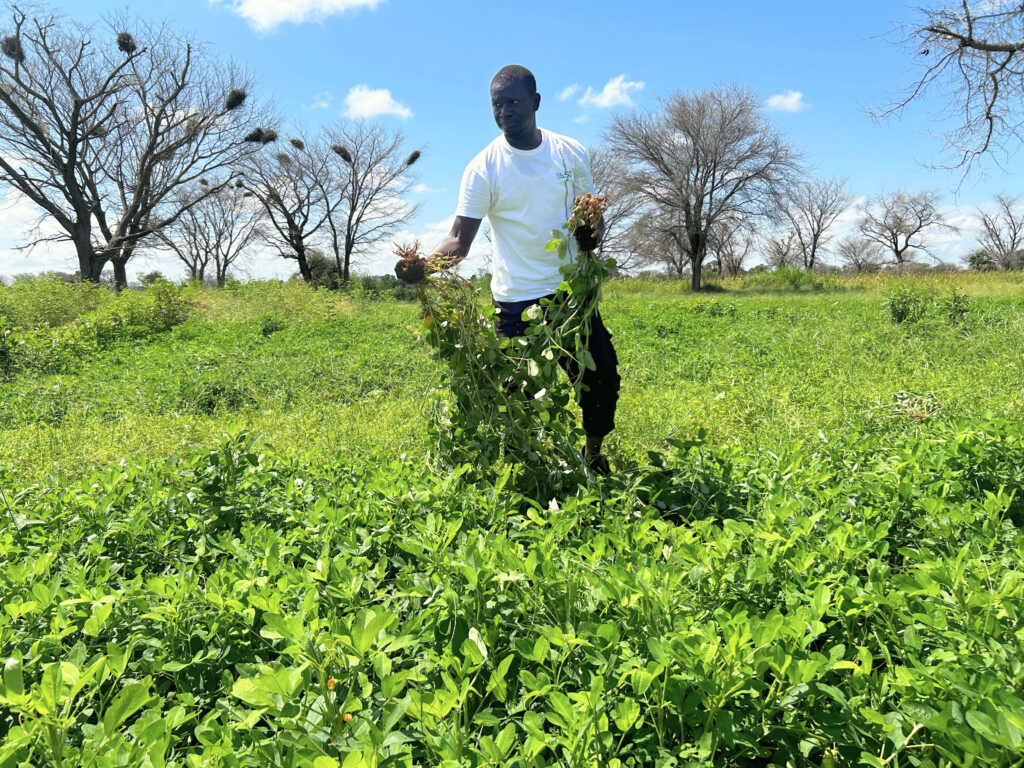
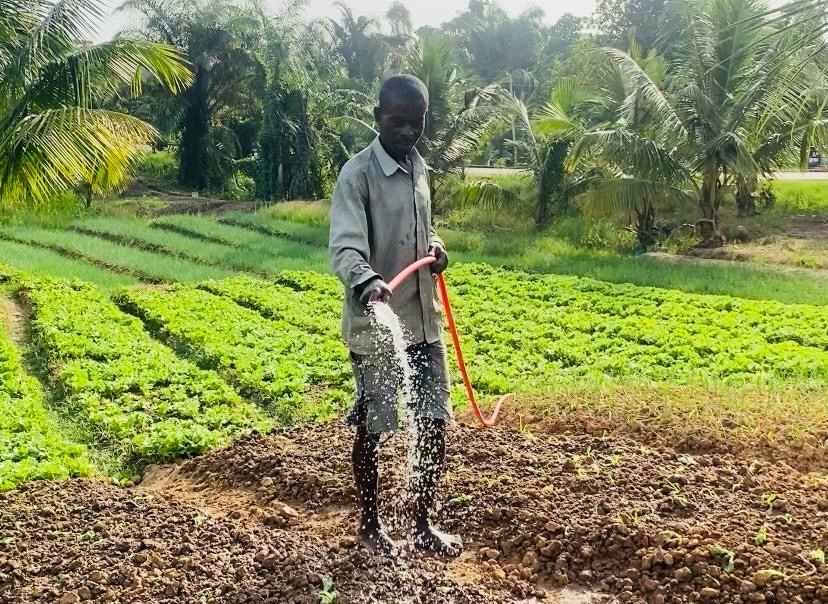
At its heart, RegenerAgri is about empowering smallholder farmers to rebuild the ecological foundations of farming (soil, water, and biodiversity) through a hands-on “Transition Pathway” model. This model walks farmers step-by-step from awareness to full adoption of regenerative practices such as leguminous cover cropping, bokashi composting, agroforestry, and natural pest management. The aim is to replace synthetic, extractive agriculture with systems that actively restore ecosystem health while improving livelihoods of farmers.
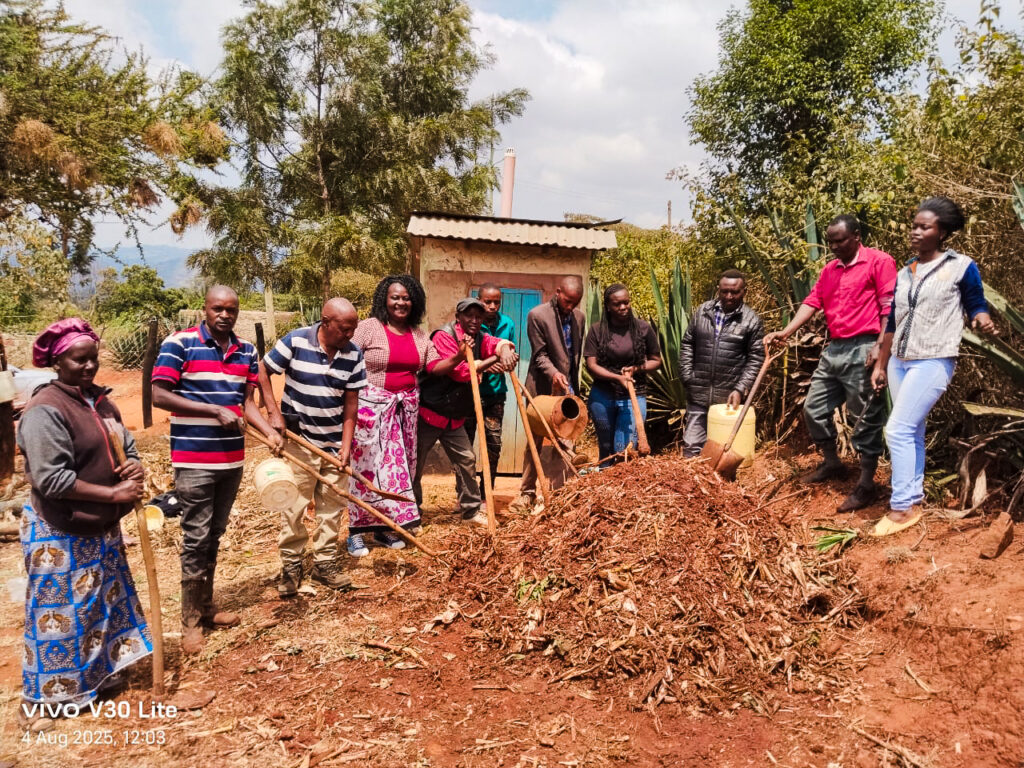
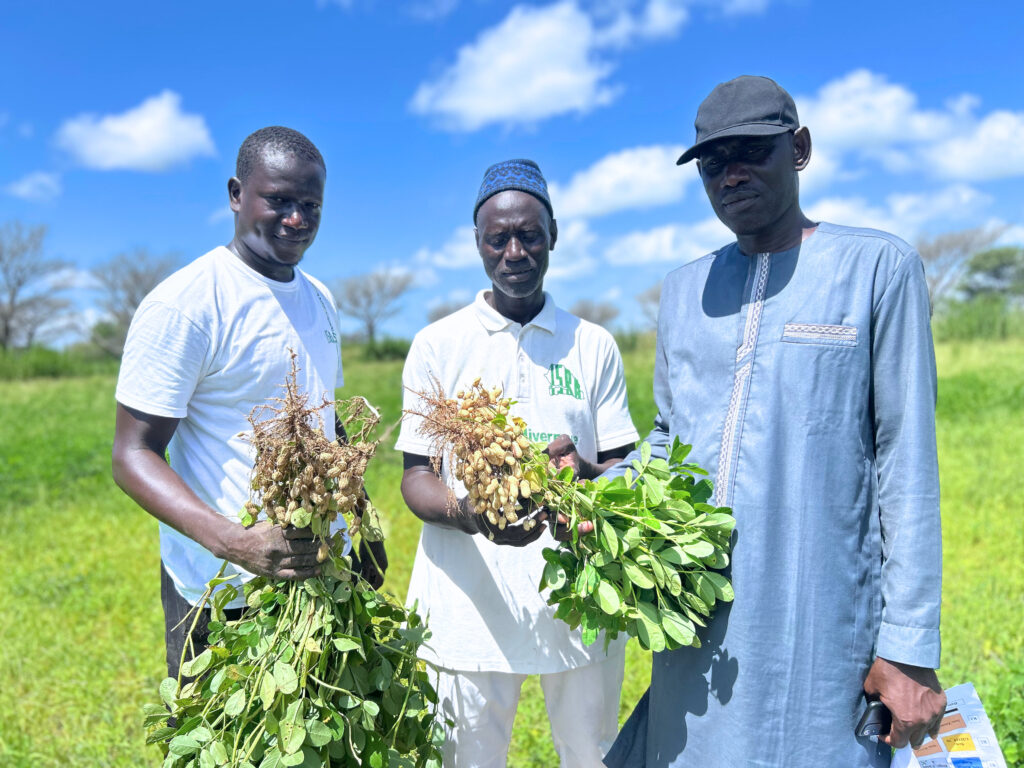
In one year, according to the initiative, 122 farmers regenerate over 300 acres of land on average, improving soil structure, crop diversity, and resilience to drought. In its first year of implementation, over 70% of participating farms reported major improvements in soil health, while 73% adopted composting and 72% began using natural pest control. Biodiversity has returned to once-degraded plots, and many farms now thrive even during prolonged dry spells.
RegenerAgri’s success rests on a deeply participatory, farmer-led model. Local model farmers known as The Organic Farmer Ambassadors (TOFAs) serve as peer educators and role models for other farmers, blending traditional wisdom with modern regenerative science. Their leadership has spurred rapid knowledge diffusion, extending even to unconventional settings such as Makueni Prison, where inmates are rehabilitated through hands-on agroecology training. They also partner with entities ranging from international organizations such as the World Agroforestry Centre (ICRAF) to local seed producers and media houses in building markets and policy frameworks that sustain agroecological transformation. The initiative states it has directly influenced Makueni County’s new Agroecology Policy, setting a precedent for institutionalizing regenerative agriculture at the county level.
The impact is also felt socially: according to the initiative, 75% of participants are women, many of whom now lead peer groups and sell produce in village markets established by the project. Reduced input costs, improved yields, and diversified diets have strengthened both household economies and community health.
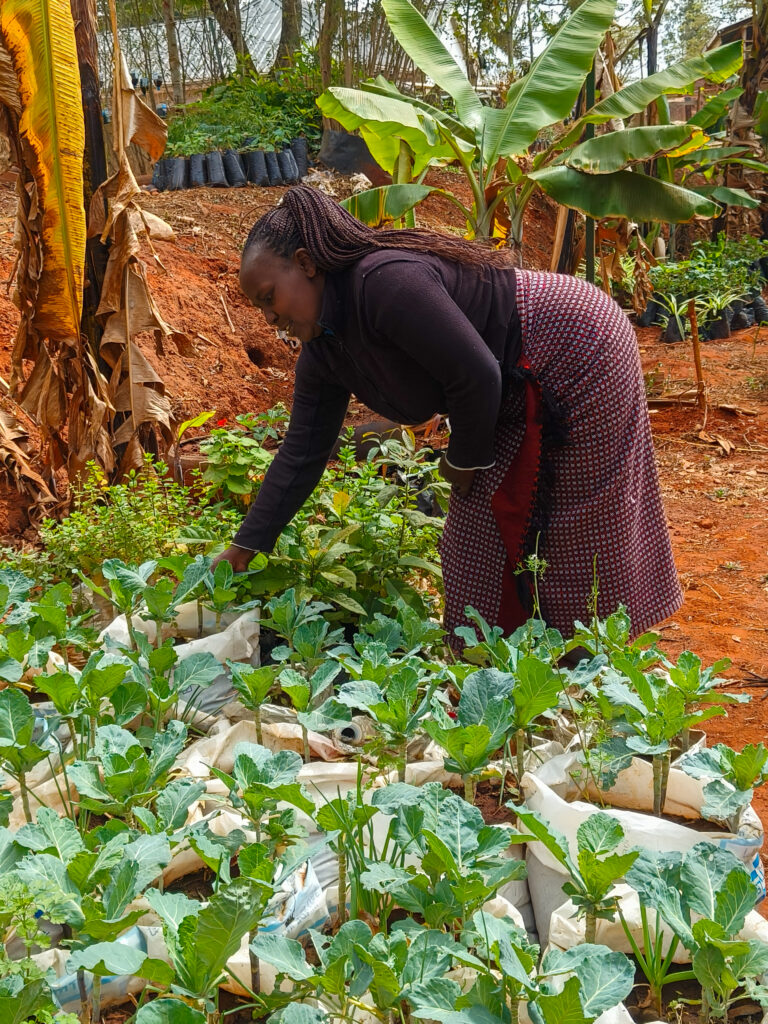
RegenerAgri is more than a project—it’s a living blueprint for Africa’s regenerative future. Its low-cost, adaptable, and community-driven design makes it scalable across Kenya and beyond. With additional support, the initiative aims to reach 10,000 farmers and restore 20,000 acres of land over the next decade, transforming degraded landscapes into thriving, biodiverse ecosystems. By rooting science in community, and regeneration in practice, RegenerAgri is demonstrating that Africa’s smallholders are not just victims of climate change—they are the architects of a climate-resilient, farmer-led food future.
Learn more about RegenerAgri Initiative.
Written by Sarah Souli
Photos provided by RegenerAgri